What Is a Good Thermostat Temperature for Winter
Learn how to set your thermostat for winter to balance comfort and energy savings. This guide covers baselines, adjustments, and tips for energy-efficient heating.


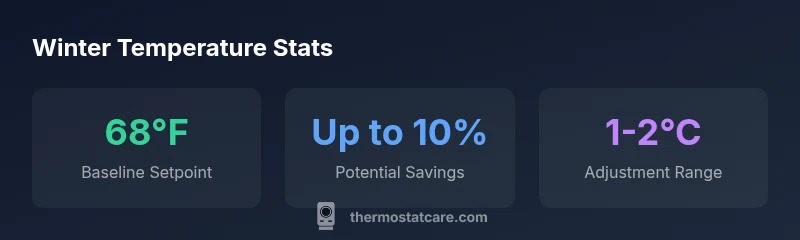
Determining a good winter thermostat temperature starts with comfort and energy savings. The recommended home baseline is about 68°F (20°C) when you’re home and awake. Lower the setting when you’re away or sleeping to around 60–65°F (15–18°C). For heat pumps or multi-zone homes, small adjustments of ±1–2°C can help balance humidity and drafts without sacrificing warmth. These guidelines reflect Thermostat Care’s analysis, 2026, and provide a practical starting point that you can fine-tune based on insulation, HVAC equipment, and personal comfort preferences.
What is a good winter thermostat temperature?
What is a good winter thermostat temperature? This question blends comfort with energy efficiency, and the right answer varies by home. A widely accepted baseline is about 68°F (20°C) when you’re home and awake. This setting typically maintains comfortable living spaces without forcing the furnace to run constantly. If your house is drafty, consider additional measures like weatherstripping or thicker curtains alongside maintaining a similar baseline, rather than cranking up the heat. When you’re away or sleeping, reducing the temperature to 60–65°F (15–18°C) reduces heat loss. If you have a heat pump or multiple zones, small adjustments of ±1–2°C can maintain comfort in occupied rooms while saving energy in others. These guidelines reflect Thermostat Care’s analysis, 2026, and provide a practical starting point that you can fine-tune based on insulation, HVAC equipment, and personal comfort preferences. The takeaway is simple: start with a sensible baseline and adjust based on how your home actually feels. According to Thermostat Care, this baseline is designed to balance warmth with efficiency in typical U.S. homes, but every house benefits from a bit of customization.
Factors that influence your ideal winter temperature
The ideal winter temperature is not one-size-fits-all. Climate plays a significant role: in colder regions, you may tolerate a cooler baseline if you’re away during the day and rely on a good layer of clothing, but you still need a comfortable at-home temperature. Insulation and air leaks drive energy demand; well-sealed homes retain heat better, allowing you to keep a lower baseline with less discomfort. The type of heating system matters: heat pumps respond differently than furnaces, and radiators can feel different at the same setpoint. Humidity also affects perceived warmth; dry air can feel cooler, so balancing humidity is helpful. Finally, occupancy patterns influence settings: people present in the house more hours means more consistent heating, while long absences justify lower setbacks. Thermostat Care analyses emphasize tailoring baselines to the house and lifestyle while keeping a reserve for cold snaps or extreme weather. The right temperature is the one that keeps you comfortable without excessive heating, which often means a lower baseline than you might expect in very mild climates.
How to use a thermostat: manual vs smart controls
Manual programmable thermostats require you to set schedules; smart thermostats automate optimization. For winter, you can implement a daytime schedule around 68°F, then lower to 60-65°F overnight. If you use adaptive recovery, the thermostat will start heating earlier so the home reaches the desired temperature by the time you wake or return. Zone control lets you heat living areas separately from bedrooms or unoccupied spaces, improving efficiency. When selecting a thermostat, consider compatibility with your HVAC system, Wi‑Fi requirements, and the app’s ease of use. Thermostat Care suggests choosing a device that supports fine-grained scheduling and a hold option to keep a room warm without a full-time ramp. Finally, avoid large, rapid temperature swings, which waste energy and can stress equipment.
Practical steps to save energy without sacrificing comfort
Seal air leaks around doors and windows; add weatherstripping; insulate attic and ducts. Use heavier drapes on south-facing windows to reduce heat loss during winter. Add insulation or moisture barriers if necessary. Use fans to distribute warm air more evenly. Dress in layers and use zone heating when possible. For winter, combine a steady baseline with nightly setbacks and shorter, targeted adjustments when you are home late. Smart features like occupancy sensing and geofencing can reduce heating when no one is home. Regular maintenance such as replacing filters and scheduling annual furnace check-ups also improves efficiency. Thermostat placement matters too: keep thermostats away from direct sunlight or drafts to avoid false readings.
Addressing cold rooms and drafts
Warm, drafty rooms drain heat quickly. Use weatherstripping and door sweeps; check for gaps around baseboards. Consider space heaters for short-term comfort in unoccupied zones, but never leave them unattended. Use a ceiling fan to distribute warm air from heated spaces to cooler rooms. Seal ductwork and insulate ducts to reduce heat loss. If a room remains cold, consider adjusting a local thermostat or adding a zoning solution so you don’t need to raise the whole house temperature. Remember humidity: dry air can feel cooler; a humidifier can make rooms feel warmer at lower temperatures, allowing you to maintain comfort with a lower thermostat setting.
Common mistakes to avoid this winter
Relying on a single setpoint year-round; swings of 5–10°F are energy-wasters. Not leveraging smart features or schedules. Ignoring humidity and air leaks. Setting temperatures way too high to feel quickly warm after long periods away. Overheating; forgetting safety and medical needs (elderly, infants). Not calibrating a thermostat or failing to consider a multi-zone system. Finally, neglecting regular HVAC maintenance reduces efficiency and can raise operating costs.
Winter temperature scenarios
| Scenario | Winter Setpoint | Notes |
|---|---|---|
| Home daytime | 68°F (20°C) | Baseline comfortable setting |
| Away or asleep | 60-65°F (15-18°C) | Save energy with lower temps |
| Very cold climate/drafty home | 66-70°F (19-21°C) | Mitigate with insulation and sealing |
Questions & Answers
What temperature should I set my thermostat to in winter?
A good starting point is 68°F (20°C) when you’re home during the day. Lower to 60–65°F (15–18°C) at night or when away. Adjust by climate and insulation to suit comfort.
Start around 68 degrees and adjust for your schedule.
Should I change my thermostat setting when I’m away from home?
Yes. Use a schedule or smart features to lower the temperature when you’re away, reducing energy use without compromising safety.
Yes—lower the temperature when you’re away.
Can a smart thermostat help save energy in winter?
Yes. Smart thermostats optimize schedules, learn your routine, and adjust automatically to save energy while maintaining comfort.
Yes, a smart thermostat can optimize heating with schedules.
Is 68°F too hot for small apartments?
For compact spaces, 68°F is often comfortable, but you may prefer lower settings if rooms heat quickly. Fine-tune to your comfort.
68 degrees works for many, but adjust if your space heats quickly.
What’s the best sleep temperature in winter?
Many people sleep well at 60–65°F (15–18°C). Personal comfort matters, so adjust within this range.
60-65 degrees can help you sleep better.
How can I tell if my thermostat is accurate?
Compare readings with a separate room thermometer and calibrate if needed, especially in older homes.
Check with another thermometer to confirm accuracy.
“A practical winter thermostat plan balances steady comfort with sensible energy use. Start around 68°F and tailor by room and schedule to reduce waste.”
What to Remember
- Start with 68°F as baseline and adjust by occupancy
- Lower temperatures when away or asleep to save energy
- Use zoning or smart controls for comfort and efficiency
- Ensure insulation and air sealing to maximize savings