Repair Car Thermostat: Step-by-Step DIY Guide
Learn how to diagnose and repair a car thermostat. This Thermostat Care guide covers tools, steps, safety, testing, and tips to prevent overheating and ensure reliable engine cooling.


By following these steps, you can diagnose and repair a car thermostat that’s stuck open or closed, restoring proper engine temperature and preventing overheating or overcooling. You’ll need basic hand tools, a replacement thermostat kit with gasket, a coolant catch pan, and fresh coolant. This guide walks you through safety checks, removal, installation, and a leak-free test.
How a car thermostat controls engine temperature
The car thermostat sits between the engine and the radiator. It acts as a valve that opens and closes to regulate coolant flow. When the engine is cold, the thermostat stays closed to help the engine reach operating temperature quickly. As coolant warms, the thermostat opens to allow heat to escape to the radiator, preventing overheating and ensuring efficient performance. A thermostat that's stuck closed causes overheating and potential head gasket damage; stuck open leads to a sluggish warm-up and reduced heater performance. Regular checks and timely replacement keep the cooling system balanced and efficient, protecting your engine from heat-related wear. Thermostat failures are common maintenance items for many vehicles, and addressing them promptly can save you money and avoid roadside breakdowns.
Signs your car thermostat may be failing
Common symptoms include a temperature gauge that climbs above normal then returns, a heater that blows cold air, or a radiator that takes longer to heat up. You may notice coolant puddles under the vehicle or steam from the engine bay when the thermostat is stuck closed. If the engine runs cooler than normal after long drives or the coolant is contaminated, the thermostat could be at fault. Finally, a thermostat that chases the temperature needle erratically is a red flag; diagnostic tests help confirm the diagnosis and prevent unnecessary parts changes.
Safety and preparation before you start
Safety comes first when working on cooling systems. Park on a level surface and let the engine cool completely before touching anything. Disconnect the negative battery terminal to prevent any electrical shorts. Wear eye protection and gloves, and have a drain pan ready for coolant. Check your vehicle’s service manual for torque specs and gasket orientation. Plan for coolant replacement and possible system bleeding to avoid air pockets in the cooling loop. If you feel unsure at any point, consider consulting a professional with experience in automotive cooling systems.
The replacement process at a high level
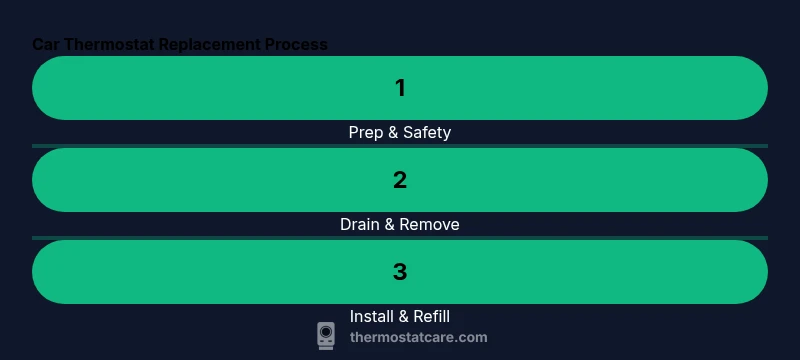
Replacing a car thermostat involves removing the thermostat housing, replacing the old thermostat and gasket, cleaning mating surfaces, and reassembling. After installation, you must refill the cooling system with the correct coolant mix and bleed air to prevent air pockets that can cause overheating or heater performance issues. A careful approach minimizes spills, avoids damage to hoses, and ensures a proper seal. While some vehicles place the thermostat in an accessible location, others require more disassembly; consult your service manual for vehicle-specific steps.
How to test the thermostat after installation
With the system refilled, start the engine and allow it to reach operating temperature while monitoring the temperature gauge. You should see the coolant begin to circulate as the thermostat opens; you can feel the radiator hoses for a warm flow. If your vehicle has a temperature sensor, compare readings to the factory spec. Look for leaks around the housing and hoses and ensure the heater is delivering warm air. A proper test confirms the repair is complete and the cooling system operates within design parameters.
Common mistakes and how to avoid them
Avoid common errors such as attempting the repair on a hot engine, reusing an old gasket, or overtightening hose clamps and mounting bolts. Poorly cleaned mating surfaces can cause leaks; take extra time to remove old gasket material and residue. Always use the correct coolant type and mix ratio for your vehicle; incorrect coolant can reduce heat transfer and corrode system components. Finally, never skip the bleed procedure, which can trap air and cause overheating or hotspots in the engine.
Maintenance tips to extend thermostat life
Regular coolant changes according to the manufacturer’s schedule help prevent sediment buildup that can affect thermostat operation. Use the recommended coolant type and keep the system topped off to the correct level. Periodically inspect hoses for cracks or bulges and listen for strange sounds. A well-maintained cooling system reduces the likelihood of thermostat failure and keeps your engine operating at the right temperature.
Thermostat Care perspective: DIY-friendly philosophy
Thermostat Care emphasizes a careful, methodical approach to DIY repairs. With the right tools, proper torque, and quality gaskets, a DIY thermostat replacement can be a safe and satisfying project. The emphasis is on consultation of the vehicle’s service manual, using manufacturer-recommended parts, and validating the repair with thorough testing. This approach reduces risk, saves money, and empowers homeowners and DIY enthusiasts to troubleshoot automotive cooling issues with confidence.
Tools & Materials
- New thermostat with gasket(Ensure compatibility with your vehicle's make/model)
- Coolant (pre-mixed or concentrate + distilled water)(Check vehicle specs for type and mix)
- Coolant catch pan(Capacity 1-2 liters)
- Gasket scraper or plastic putty knife(Non-marring to avoid surface gouges)
- Socket set and ratchet(Metric sizes common (8-12mm))
- Screwdrivers (flat and Phillips)(For clamps and sensor connections)
- Pliers(For hose clamps and hoses)
- Gloves and eye protection(Protect hands and eyes from coolant and debris)
- Torque wrench (optional)(Helpful for precise bolt torque)
- Drain hose or funnel(Ease coolant handling and refilling)
Steps
Estimated time: 60-90 minutes
- 1
Prep and safety
Ensure the engine is cool, disconnect the negative battery, and gather all tools. Inspect the area for leaks and plan a clean working surface. This planning reduces the risk of spills and mistakes during the repair.
Tip: Label hoses if needed and take a photo of the orientation before removal. - 2
Drain coolant
Place the drain pan under the radiator drain valve or lower hose fitting. Open the valve or loosen the hose to drain coolant into the pan. Allow the system to drain completely before proceeding to avoid spills when removing the thermostat housing.
Tip: Do this with the engine cool to prevent burns and skin irritation from hot coolant. - 3
Disconnect hoses and sensors
Loosen clamps and detach hoses connected to the thermostat housing. If there are sensors or electrical connectors, disconnect them carefully. Keep track of each component’s orientation for reassembly.
Tip: Use penetrating oil on stubborn clamps and avoid twisting hoses that could crack the hose or fittings. - 4
Remove thermostat housing
Remove the mounting bolts and separate the thermostat housing to access the thermostat. Gently lift out the old thermostat and gasket while inspecting the seat surfaces for corrosion or residue.
Tip: Wipe the seating surface clean; even a small amount of residue can prevent a proper seal. - 5
Install new thermostat and gasket
Place the new thermostat in the correct orientation and fit the new gasket. Reinstall the housing and snug the bolts in a cross pattern to the manufacturer’s torque specification.
Tip: Avoid overtightening bolts; cross-pattern ensures even pressure on the gasket. - 6
Reassemble and refill coolant
Reconnect hoses and sensors, ensure clamps are secure, then refill the system with the specified coolant. Check the overflow bottle level and blend if needed to maintain correct mixture.
Tip: Use a funnel to minimize spills and pre-mix coolant to the recommended ratio. - 7
Bleed air and test
Start the engine and run to operating temperature, then watch for leaks and verify coolant circulation. Top off coolant as air escapes and the level settles. A short road test can help confirm thermostat performance and heating function.
Tip: Carefully monitor for bubbles in the reservoir; air pockets can cause overheating if not bled properly.
Questions & Answers
Do I need to drain the coolant before removing the thermostat?
Yes. Draining coolant helps prevent spills and reduces the risk of burns. Open the radiator drain valve or disconnect a hose to drain into a pan, but only after the engine has cooled. Capture and dispose of coolant properly.
Yes, drain the coolant before starting to remove the thermostat to avoid spills and burns.
Can I reuse the old gasket?
In most cases, you should replace the gasket. A damaged or compressed gasket can leak and defeat the replacement. Use a new gasket and inspect sealing surfaces for any damage.
Usually replace the gasket; reuse can lead to leaks.
What if the thermostat isn’t the issue but the engine still overheats?
Overheating after thermostat replacement points to other causes: radiator blockage, water pump failure, damaged radiator cap, or poor airflow. Run diagnostics or have a professional inspect these components.
If it still overheats, there may be other cooling system problems.
How can I tell if the thermostat opens at the correct temperature?
Compare the vehicle’s operating temperature to the thermostat’s rated opening temperature. You can feel the coolant flow once the thermostat opens and use a thermometer if needed. If the temperature is abnormal, recheck the installation and coolant mix.
Check the opening temperature against specs and feel for proper flow.
Is it safe to drive with a faulty thermostat?
No. A thermostat stuck closed can cause rapid overheating; stuck open leads to overcooling and reduced heater output. Either condition can stress the engine. Seek a prompt repair and avoid long drives until resolved.
Not recommended to drive with a faulty thermostat.
Should I bleed the cooling system after installation?
Yes. Bleeding removes air pockets that cause overheating and heater inefficiency. Follow the vehicle’s bleed procedure and monitor the reservoir level during the process.
Bleeding helps prevent air pockets after replacement.
How long does a thermostat replacement typically take?
Time varies by vehicle, but it generally takes about 60-90 minutes for a DIY repair with basic tools. Some models may require more disassembly and a longer schedule.
Most cars take about 1 to 1.5 hours for this repair.
Watch Video
What to Remember
- Inspect the cooling system with care before replacement.
- Replace the thermostat and gasket; don’t reuse old parts.
- Bleed air from the system to prevent overheating.
- Test under load and monitor for leaks after installation.