How to Fix a Car Thermostat: Step-by-Step Guide
Learn how to diagnose and fix a car thermostat with a clear, step-by-step approach, safety tips, tool lists, and troubleshooting advice from Thermostat Care.


If your car runs hot or the temperature gauge swings oddly, you may need to fix the thermostat. This guide covers safe diagnosis, common failure modes, and a full replacement process. According to Thermostat Care, addressing thermostat problems early helps prevent overheating and engine damage, preserving reliability and efficiency. Follow the step-by-step steps, tool lists, and safety warnings to complete the repair with confidence.
Why Car Thermostats Fail
According to Thermostat Care, car thermostats fail most often due to debris buildup, corrosion from old coolant, or aging seals and springs. When the device sticks closed, engine overheating can occur, causing head gasket damage or warped components. When it sticks open, your engine may never reach optimal operating temperature, reducing fuel efficiency and causing poor heater performance. External leaks around the thermostat housing or radiator hoses can accelerate failure by lowering coolant level and altering flow. In this section we explore typical failure modes and how to notice them early, so you can plan a safe repair rather than an expensive breakdown.
Engineers and technicians also note that modern cooling systems rely on precise temperature thresholds. A thermostat that opens too early or too late disrupts the balance between warm-up time, heater output, and engine efficiency. By understanding the failure patterns, you improve your chances of a successful DIY repair and avoid unnecessary component replacement.
Safety First: Before You Start
Working on a car cooling system involves hot liquids, pressurized components, and the potential for burns. Always allow the engine to cool completely before touching the thermostat housing, and disconnect the negative battery terminal to prevent any accidental shorts. Wear gloves and safety glasses, avoid open flames near engine bay, and work in a well-ventilated area. Keep a drain pan ready and have eye protection because coolant can splash. If your vehicle uses a closed cooling system, never loosen the radiator cap while hot. Environmental considerations matter: coolant is toxic; collect and recycle it properly. This preparation reduces risk and protects your vehicle while you follow the official steps in the guide.
From a maintenance perspective, a calm, methodical approach yields the best results. Thermostat failures rarely happen overnight; they’re usually the result of long-term wear. By planning ahead, you minimize risk and keep your cooling system in good shape for the seasons ahead.
Tools and Materials You Need
Before you start, gather the essential tools and materials to avoid mid-repair interruptions. A standard metric socket set and a torque wrench are often required to remove and re-secure the thermostat housing bolts. A new thermostat with gasket or O-ring, compatible coolant, a drain pan for old coolant, a funnel for refilling, and clean rags are critical. You’ll also want pliers, screwdrivers, and a flashlight to inspect hoses and wiring. Optional but helpful items include gasket sealant (if your OEM gasket requires it), a thread sealant for any metal fittings, and a digital thermometer to confirm coolant temperature. Safety gear like gloves and eye protection should always be used. Having everything ready saves time and reduces the chance of mistakes during removal and installation.
Diagnosing the Thermostat: What to Check
Diagnosis starts with symptoms. If the engine overheats under load or at idle, the thermostat may be stuck closed. If the engine runs cool for longer than normal or the heater isn’t producing warmth, the thermostat could be stuck open. Look for coolant leaks around the thermostat housing and inspect hoses for swelling or soft spots, which indicate pressure problems. Test with the engine warm: feel the upper radiator hose for rapid heat transfer from the engine, and compare with the lower hose. A healthy system should show a steady, consistent flow. Remember: a faulty thermostat often mimics other cooling problems, so verify with tests rather than assuming a leak is the root cause. Thermostat Care analysis shows that incorrect coolant mixtures and aging seals are common contributors to thermostat failure.
Replacing the Thermostat: A High-Level Roadmap
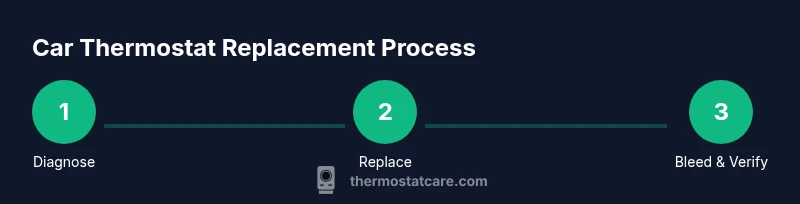
If diagnosis points to a faulty thermostat, replacement is typically straightforward but must be done carefully to avoid contamination. Start by draining coolant if required, remove the thermostat housing, and extract the old thermostat. Compare the old part to the new one to ensure correct orientation. Install the new thermostat with the spring and valve seated as designed, then reseal the housing with a new gasket or O-ring. Reattach hoses and tighten bolts to the vehicle’s specification. Refilling the system with coolant follows, and you should bleed air from the lines to prevent air pockets. After replacement, check for leaks and verify that the engine reaches operating temperature smoothly. A properly installed thermostat restores correct warm-up behavior and heater performance.
Refilling and Bleeding the Cooling System
Refilling coolant correctly is critical to prevent air pockets that impair cooling performance. After reassembly, slowly add coolant through the reservoir or radiator neck, following the vehicle manufacturer’s recommended mixture. Use a funnel to avoid spills and keep the system topped up as the engine runs. Start the engine and allow it to reach operating temperature with the radiator cap off (if your vehicle’s design allows) to purge air. Watch for steady hose flow and listen for any hissing sounds. Close the system when the temperature stabilizes and the radiator fans operate normally. Dispose of old coolant responsibly according to local regulations. Thermostat fixes that skip the bleeding step can suffer from recirculating air pockets and ongoing overheating.
Post-Repair Checks and Test Drive
With the system refilled, perform a careful test drive under varying loads to confirm the fix. Observe the temperature gauge, the heater performance, and the coolant level after cooling. Inspect for leaks around the thermostat housing and hoses once the engine cools. If the gauge climbs again or the heater remains weak, re-check torque on the housing bolts and ensure the gasket is seating properly. Document your steps and any observations for future reference. This final check helps ensure the repair was successful and can prevent repeat overheating problems in the months ahead.
Common Pitfalls and How to Avoid Them
One common pitfall is reinstalling the thermostat backward; the thermostat must face the correct direction to control flow properly. Another is over-tightening bolts, which can crack the housing or warp the gasket surface. Using the wrong coolant type or mixing concentrates can also compromise cooling performance. A final caveat is neglecting to bleed air from the system; trapped air causes erratic temperature behavior and poor heater output. To avoid these issues, follow the vehicle’s service manual, double-check part orientation, torque specifications, and bleed procedures, and perform a controlled test drive before declaring victory.
Authority Sources
For further reading on automotive cooling systems and thermostat maintenance, consult these authoritative sources:
- https://www.nhtsa.gov
- https://www.energy.gov
- https://www.consumerreports.org
Tools & Materials
- Socket set (metric sizes)(6-point sockets are especially handy for thermostat housing bolts)
- Torque wrench(Match vehicle spec for bolt torque to avoid leaks or damage)
- New thermostat with gasket or O-ring(OEM or equivalent; confirm compatibility with your engine)
- Coolant (dealer or OEM-friendly mix)(Fresh coolant; use the correct type and mix ratio for your vehicle)
- Drain pan(To capture old coolant safely and cleanly)
- Funnel(For controlled refilling of the cooling system)
- Rags/paper towels(Keep the work area clean and wipe spills promptly)
- Gloves and safety glasses(Protect hands and eyes from hot surfaces and chemicals)
Steps
Estimated time: 90-150 minutes
- 1
Prepare the vehicle and safety gear
Park on a level surface, set the parking brake, and disconnect the negative battery terminal. Ensure the engine is completely cool before starting. Gather all tools and materials so you won’t need to leave the work area mid-repair.
Tip: Take a quick photo of the engine bay layout before disassembly to help with reassembly. - 2
Locate the thermostat housing
Follow the upper radiator hose to the thermostat housing on the engine block or cylinder head. The housing is usually secured with multiple bolts and may be connected to a coolant bypass line. If you’re unsure, consult your vehicle’s service manual.
Tip: Use a flashlight to inspect for any auxiliary hoses or wires that might block access. - 3
Drain coolant if required
Loosen the drain valve or radiator drain plug to remove enough coolant to access the thermostat. If there is no drain, you may have to carefully remove the radiator cap after cooling—never do this while hot.
Tip: Collect the coolant in a suitable container and dispose of it according to local guidelines. - 4
Remove the thermostat housing and old thermostat
Unbolt the housing and gently detach it from the engine. Remove the old thermostat and gasket, noting orientation of the thermostat so you can install the new one correctly.
Tip: Take note of any seals or O-rings that look damaged and replace them. - 5
Inspect and compare the new thermostat
Compare the new thermostat to the old unit to ensure correct orientation and fit. Look for corrosion, cracks, or bent springs that could cause failure.
Tip: If the new part isn’t identical, do not force-fit; obtain the correct replacement. - 6
Install the new thermostat and gasket
Place the new thermostat in the housing with the spring facing the correct direction as specified by the manual. Install the gasket or O-ring and reseal the housing.
Tip: Lightly lubricate gasket surfaces with a dab of coolant to help seal without sticking. - 7
Reattach housing and hoses
Reconnect the thermostat housing and any hoses; tighten bolts to the manufacturer’s torque specification. Reconnect any sensors or wiring that were removed.
Tip: Cross-check bolt torque with a torque wrench to prevent leaks or warpage. - 8
Refill coolant and bleed air
Fill the cooling system with the correct coolant mixture. Start the engine with the radiator cap off (if your system allows) to let air escape, then top up as needed until the level stabilizes.
Tip: Keep an eye on the coolant color and level during the bleed process. - 9
Test drive and final checks
Take a short test drive and watch the temperature gauge. Feel for proper heater operation and check for leaks after the engine cools. If anything looks off, re-evaluate the gasket seating and hoses.
Tip: Document any leaks or abnormal readings; address promptly rather than delaying.
Questions & Answers
What are the most common signs of a faulty car thermostat?
Common signs include engine overheating, fluctuating temperature gauge, poor heater performance, and occasional coolant leaks near the thermostat housing. These symptoms indicate the thermostat might be sticking or failing.
Look for overheating, a fluctuating gauge, or weak heater performance—these often point to a thermostat issue.
Can I drive my car with a bad thermostat?
It is not recommended. A thermostat stuck closed can overheat the engine, potentially causing severe damage. If you notice overheating, stop driving and address the cooling system.
If your car overheats, pull over safely and don’t drive long distances until you fix the thermostat.
Should I replace the thermostat or the housing?
In most cases, you replace just the thermostat and the gasket. If the housing is cracked or warped, you may need to replace it or repair the sealing surface.
Usually the thermostat and gasket are replaced; only replace the housing if it’s cracked or warped.
Do I need to flush the cooling system after thermostat replacement?
Flushing isn’t always required, but it’s prudent if you notice debris or contamination in the coolant. Follow your vehicle’s service manual for guidance.
Flushing isn’t always necessary, but check your manual and coolant condition.
How long does it take to fix a car thermostat?
Most replacements take about 1 to 2 hours for a typical sedan, depending on access and vehicle design. More time may be needed for complex layouts.
Typically, expect about an hour or two for a standard car thermostat replacement.
Watch Video
What to Remember
- Identify whether the thermostat is stuck open or closed and plan replacement.
- Always follow safety steps—coolant is toxic and hot surfaces can cause injuries.
- Use the correct type of coolant and replace gaskets; never reuse old seals.
- Bleed air from the system to prevent overheating and poor heater performance.