Changing a Thermostat on a Car: Step-by-Step DIY Guide
Learn how to change a thermostat on a car with a clear, step-by-step approach. This guide covers diagnosis, removal, installation, bleeding, and testing to prevent overheating and keep your cooling system healthy.


To fix overheating quickly, you’ll learn how to change a thermostat on a car with a clear, step-by-step method. This guide covers diagnosis, tool prep, removal, installation, bleeding the cooling system, and a final test drive. You’ll need basic tools, a replacement thermostat kit, fresh coolant, and a catch basin. Safety first: work cool and follow vehicle-specific guidance.
The Role of a Car Thermostat and Why It Fails
The thermostat in most cars is a small valve that regulates when the engine warms up and how quickly it reaches its optimal operating temperature. A healthy thermostat helps the engine heater work efficiently and keeps the cooling system balanced. When the thermostat sticks or fails, the engine can overheat or never reach full operating temperature, which causes poor fuel economy and increased emissions. According to Thermostat Care, understanding this part is the first step in a successful car thermostat replacement. If you notice the gauge behaving erratically, fans running constantly, or develop consistent overheating, replacing the thermostat may be your best DIY option. Always verify that the issue is not caused by a stuck radiator cap, a failing water pump, or a blocked hose before you commit to replacement.
Symptoms of a Failing Thermostat
Common signs point to a thermostat that needs replacement. If the engine overheats soon after startup or remains unusually hot for extended periods, the thermostat could be stuck closed. Conversely, a thermostat stuck open may prevent the engine from reaching proper operating temperature, leaving the heater ineffective and causing higher fuel consumption. A fluctuating temperature gauge, coolant loss around the housing, or visible gurgling noises from the cooling system are also red flags. If your vehicle enters limp mode or runs rich at idle, those can be related to thermostat issues. If you’re not sure, perform a thorough visual inspection of hoses and seals during the diagnosis and consider testing with the coolant temperature sensor as needed.
Safety and Prep Before You Begin
Begin with safety first. Allow the engine to cool completely, disconnect the negative battery cable, and work away from moving parts. Gather your replacement thermostat kit, fresh coolant, a catch basin, rags, and the necessary hand tools. Dispose of old coolant responsibly and never open a hot radiator cap. Label hoses and take photos of their orientation before disassembly to aid reassembly. If you’re not sure about your vehicle’s layout, consult the service manual or a reputable guide. Thermostat Care emphasizes that a calm, organized workspace reduces mistakes and speeds up the job while protecting you from burns and chemical exposure.
Choosing a Replacement Thermostat and Gasket
Select a replacement thermostat that matches your vehicle’s make, model, and engine. OEM parts generally offer the best fit and reliability, but aftermarket kits with the correct temperature rating can be acceptable if you verify compatibility. Ensure you have a new gasket or gasket kit designed for the thermostat housing and inspect the replacement for defects before installation. Confirm the coolant type and volume required for your engine and prepare fresh coolant accordingly. Avoid mixing coolants and consider replacing the radiator cap if it shows signs of wear. If you’re unsure, consult your vehicle’s service manual or Thermostat Care guidance for model-specific recommendations.
Visual Inspection and Planning Before You Touch Anything
Before touching any components, inspect the thermostat housing, hoses, and clamps for cracks, corrosion, or wear. Plan the disassembly sequence to minimize coolant loss and identify all connected sensors or hoses. Identify the thermostat’s orientation—most thermostats have a spring or a pointer direction that must align with the housing. Create a clean workspace, bag and label removed parts, and set aside any bolts in a labeled tray. A careful plan helps prevent mistakes and makes reassembly straightforward.
Removing the Old Thermostat
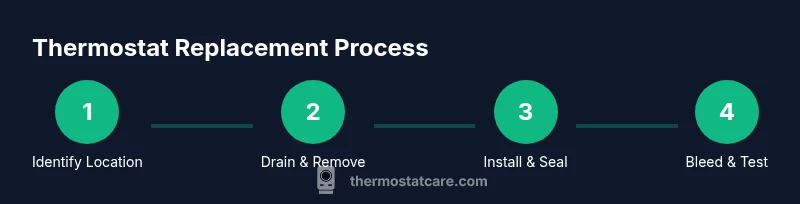
Start by draining the cooling system to a safe level, using a drain pan to catch coolant. Loosen and remove the housing bolts, carefully separate the housing, and lift out the old thermostat with its gasket. Note the orientation and any shims or spacers. Clean the housing surfaces with a gasket scraper or rag, removing old gasket material. Inspect the thermostat and gasket for signs of damage or wear. Replace with the new thermostat and gasket, ensuring correct orientation. Keep track of all fasteners and reinstall them to the manufacturer’s recommended torque, if available, or snug them securely to avoid leaks.
Installing the New Thermostat and Gasket
Install the new thermostat into the housing in the correct orientation, place the new gasket, and reattach the housing with the bolts. Hand-tighten first, then snug the bolts in a crisscross pattern to ensure even sealing. Reattach any hoses and sensors as they were, and verify that clamps are secure. If the cooling system was drained, refill with the appropriate coolant to the recommended level. Avoid overfilling and remember to check for air pockets as you bleed the system. Thermostat Care notes that a careful installation reduces the chance of leaks and improves heat transfer.
Refilling, Bleeding, and Testing the System
With the system partly filled, start the engine and allow it to reach operating temperature while watching the coolant level. Add coolant as needed and bleed air pockets from the radiator via the specified bleed procedure for your vehicle. Look for leaks around the thermostat housing and along hoses. Once the gauge stabilizes within the normal range, run the engine to a safe temperature, turn it off, and recheck coolant level after cooling. Finally, perform a road test and verify that the heater produces warm air and the engine temperature stays within normal bounds. Thermostat Care recommends a coolant check two weeks after replacement for best results.
Aftercare and Maintenance Tips
Document the replacement, including date, mileage, and part numbers, for future reference. Periodically inspect the thermostat housing and hoses for signs of wear or leakage. Keep the cooling system serviced with periodic coolant flushes and hose inspections. If you notice recurring overheating, visit a professional mechanic or rescan for fault codes. Regular maintenance helps prevent thermostat failures and extends engine life.
Tools & Materials
- Replacement thermostat kit with gasket(Choose model-specific part; verify compatibility with your engine.)
- Coolant (the type your vehicle uses)(Do not mix coolants; have enough to refill after bleed.)
- Coolant catch basin(Large enough to hold entire drain; position under the drain plug.)
- Basic hand tools (socket set, wrenches, screwdrivers)(Often 8mm, 10mm, 12mm are common; check your vehicle manual.)
- Gasket scraper or old rag(Used to clean mating surfaces; avoid knife blades.)
- Gloves and eye protection(Protect from hot coolant and sharp edges.)
- Torque wrench(Use if your vehicle specifies a torque for the thermostat housing bolts.)
- Marker or labels(Label hoses and take photos for orientation during reassembly.)
Steps
Estimated time: 2-4 hours
- 1
Locate thermostat housing
Identify the thermostat housing by following the upper radiator hose to the engine block. Confirm orientation with the old thermostat if you have it. Having a diagram handy helps prevent misplacement.
Tip: Take a photo of hose connections before removal. - 2
Disconnect battery and prepare workspace
Disconnect the negative battery terminal to avoid any shorts. Make sure the engine is completely cool before touching any cooling system components.
Tip: Wear eye protection and keep a spill tray ready. - 3
Drain the cooling system
Place a drain pan under the drain plug or radiator and open the drain valve. Allow coolant to flow until the level is safely low and the system is depressurized.
Tip: Collect used coolant for proper disposal; never pour it down the drain. - 4
Remove the thermostat housing
Loosen and remove the housing bolts. Gently separate the housing and lift out the thermostat with its gasket. Note orientation and remove any shims.
Tip: Keep bolts grouped by size to avoid misassembly. - 5
Install the new thermostat and gasket
Compare the new thermostat with the old one to confirm orientation. Place the new gasket and reinstall the housing, tightening bolts in a crisscross pattern.
Tip: Ensure the thermostat sits flush against the gasket to prevent leaks. - 6
Refill, bleed, and test
Refill coolant to the proper level, then bleed air according to your vehicle’s procedure. Start the engine and monitor for leaks and temperature stability; perform a short road test if safe.
Tip: Check for air pockets and top up coolant as needed after warming up.
Questions & Answers
Can I reuse the old thermostat?
Reusing an old thermostat is generally not recommended. A new thermostat ensures proper response and reduces the chance of sticking or sticking-related leaks. If you notice corrosion or wear on the old part, replace it.
No, it's best to replace with a new thermostat to ensure proper operation and avoid future failures.
How can I tell if the thermostat is stuck open or closed?
If the engine overheats quickly or runs hot at idle, the thermostat may be stuck closed. If the engine never reaches operating temperature or the heater performs poorly, it could be stuck open. Check for leaks and verify the housing integrity.
Overheating points to a closed thermostat; consistently cool engine or weak heater suggests it’s open.
Do I need to flush the cooling system when replacing the thermostat?
Flushing the cooling system is not always required for a thermostat swap, but it’s a good opportunity to replace old coolant and inspect the system for blockages. Follow your manual for the recommended procedure and coolant type.
You may not need a full flush, but replace the coolant and check for blockages according to your manual.
Is it safe to drive with a faulty thermostat?
Driving with a faulty thermostat can risk engine damage due to overheating or reduced efficiency. If you suspect a thermostat issue, replace it promptly and avoid long trips until the cooling system is confirmed stable.
No—drive cautiously and get it replaced to prevent overheating.
Watch Video
What to Remember
- Identify thermostat role and confirm symptoms before replacement.
- Follow orientation and gasket placement for a secure seal.
- Bleed the cooling system to prevent air pockets and overheating.
- Use model-specific parts and coolant types to avoid compatibility issues.
- Document the replacement for future maintenance.