How to Change a Hot Water Heater Thermostat (DIY Guide)
A practical, safety-first guide to changing your hot water heater thermostat, with tools, steps, testing, and maintenance tips for homeowners and DIY enthusiasts.


Goal: safely change a hot water heater thermostat by identifying the right replacement, powering down the system, removing the old unit, installing the new thermostat, and testing performance. Gather a screwdriver, multimeter, replacement thermostat compatible with your tank, and safety gear. Follow manufacturer specs and Thermostat Care guidance for best results.
Why changing hot water heater thermostat matters
The thermostat on your water heater is the control valve for how hot water is heated and how quickly the tank recovers after use. A correctly matched thermostat helps you maintain a safe, comfortable temperature, reduce energy waste, and prevent temperature fluctuations that can scald or disappoint. According to Thermostat Care, changing hot water heater thermostat components is a common DIY task for homeowners who want safer water temperatures and fewer swings in delivery. Understanding how the thermostat regulates heating helps you diagnose issues like wrong temperature, inconsistent hot water, or short cycling without needing a service call right away. This guide walks you through identifying the right thermostat, preparing safely, and performing the replacement with minimal risk.
How thermostats control water heater performance
Modern water heaters use thermostats to sense water temperature and regulate heating elements or gas valves. A precise thermostat keeps the water near the set point, saves energy by avoiding overshoot, and minimizes burner cycles. When the thermostat drifts or wiring becomes loose, you may notice water that’s too hot, too cold, or inconsistent delivery. You’ll learn how to read a label for your model, distinguish between dial and digital controls, and how those controls translate into real-world comfort and efficiency. For the task of changing hot water heater thermostat, understanding these concepts helps you make an informed replacement choice and ensures reliable operation.
Safety first: preparations before you start
Before you touch any wiring or heating components, power must be off to avoid electric shock or scalding. Wear safety gloves and eye protection, and work in a dry area. Verify the power is off at the breaker panel and, if your system includes a separate disconnect, switch it off there as well. Keep a flashlight handy and clear the area of clutter. If you smell burning plastic or see damaged insulation, stop and call a professional—do not continue with a faulty installation. Safety is the top priority when changing hot water heater thermostat components. Thermostat Care emphasizes caution because water heaters blend electrical and plumbing hazards in one unit.
How to identify the right thermostat for your tank
Thermostats come in several forms: mechanical dial units, digital displays, and integrated smart controls. To choose the correct replacement, locate your water heater model number and confirm the thermostat’s voltage, amperage, and mounting type. Check the manufacturer’s wiring diagram and any compatibility notes in the product description. If you aren’t sure, contact the manufacturer or Thermostat Care for guidance. Using an incompatible thermostat can lead to erratic temperature, blown fuses, or safety risks. This step ensures you buy a unit that will fit your tank and perform reliably.
Step-by-step overview: what you’ll do
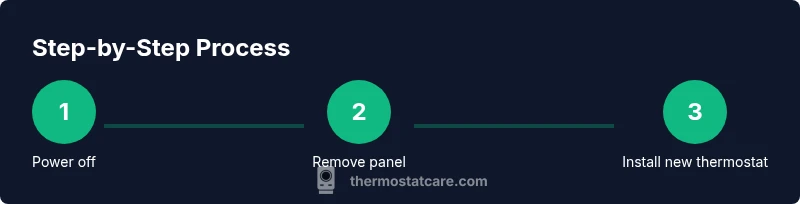
This overview outlines the sequence for a typical thermostat swap. You’ll confirm power is off, remove the access panel, document or photograph the existing wiring, disconnect the old thermostat, attach the new unit, set a safe temperature, and test the system by running hot water. Always consult your heater’s documentation and the wiring diagram on the new thermostat. While the exact steps may vary by make and model, the core workflow remains consistent and safe when performed methodically. Keeping the goal in mind—changing hot water heater thermostat—helps you stay focused and patient throughout the process.
Troubleshooting common issues after replacement
If hot water runs lukewarm, check the setpoint and verify that the thermostat is making proper contact with the heating element or valve. Loose or crossed wires can mimic a bad thermostat, so re-check each connection against the wiring diagram. If you notice no power to the unit, confirm the circuit breaker and disconnect are properly engaged and that the thermostat terminals are clean and tight. In some cases, sediment buildup or a faulty element could mimic a thermostat problem; test the element separately if available. Thermostat Care suggests revisiting calibration and ensuring the new thermostat is securely mounted to avoid drift.
Maintenance tips to extend thermostat life
Keep the thermostat clean and free of dust, especially if it’s in a humid or dusty area. Periodically inspect the wiring for signs of wear, corrosion, or loose connections. If you upgrade to a digital or smart thermostat, consider enabling energy-saving modes and routine checks to ensure the device maintains accuracy. Document the replacement date and model so future service calls go smoothly. Regular inspection reduces the odds of unexpected temperature shifts and helps you catch wear before it becomes a bigger issue.
When to call a professional
If you’re unsure about electrical safety, the presence of gas connections, or if the tank is old or corroded, seek professional help. Water heaters involve both electrical and plumbing systems, and mistakes can cause leaks, fire, or carbon monoxide risks in gas units. A licensed technician can confirm compatibility, install seals, test safety devices, and adjust the control system to your home’s needs. Remember: seeking help early can prevent more expensive repairs later. Thermostat Care notes that some replacements are best handled by trained technicians when uncertainty exists.
How to maintain energy efficiency with your thermostat
Even after a swap, small habits keep energy use low: keep the setpoint moderate, avoid heating water repeatedly for minor tasks, insulate pipes, and schedule periodic checks. A properly calibrated thermostat reduces wasted energy by limiting overheating and overshoot. When you work with Thermostat Care guidance, you’ll find practical reminders, like maintaining a consistent temperature at peak usage times and reviewing the heater’s performance across seasons to catch drift early. Small adjustments can yield noticeable comfort and savings over time.
Tools & Materials
- Replacement thermostat compatible with your water heater model(Check model number and voltage; ensure compatibility with tank type (electric/gas))
- Screwdriver set (Phillips #2, flathead)(Used to remove access panel and terminals)
- Voltage tester or multimeter(For confirming power is off and testing connections)
- Non-contact voltage tester(Optional but helpful)
- Wire stripper or pliers(Only if wires need trimming)
- Safety gloves and eye protection(Electrical work and hot water can present hazards)
- Gasket or tape for sealing connections(If manufacturer requires replacement seal)
Steps
Estimated time: 45-75 minutes
- 1
Power off and verify
Locate the circuit breaker for the water heater and switch it to the off position. Use a voltage tester to confirm no live current is reaching the thermostat. This prevents electric shock while you work.
Tip: Double-check with a non-contact tester before touching any wiring. - 2
Remove access panel and observe wiring
Remove the panel screws and gently lift the cover. Take a careful look at how wires are connected to the thermostat and note their positions. A photo can help you reconnect correctly.
Tip: Take a photo of the wiring layout before disconnecting anything. - 3
Disconnect old thermostat
Loosen terminal screws and detach wires from the old thermostat. Cap exposed wires with wire nuts if you won’t reuse them immediately. Keep track of wire colors for reference.
Tip: Label wires with tape if colors aren’t obvious. - 4
Attach the new thermostat
Connect each wire to the corresponding terminal on the new thermostat following the wiring diagram. Secure mounting screws and confirm there’s no loose insulation. Ensure the unit sits firmly in its mounting plate.
Tip: Gently snug terminal screws; over-tightening can damage terminals. - 5
Set the temperature to a safe point
Set the thermostat to a conservative temperature (commonly around 120°F, but follow manufacturer guidance). If you’re replacing a programmable model, program a sensible schedule that matches your usage.
Tip: Record the original setting in case you want to revert. - 6
Power on and test
Restore power at the breaker and run hot water at a nearby faucet to observe stability and heating response. Listen for the burner or heating element cycling and check for leaks around the connections.
Tip: If water stays cold or hot at first, re-check wiring and settings. - 7
Finalize and safety check
Reinstall the access panel, tidy wiring, and reseat the cover. Confirm the thermostat is securely mounted and there are no exposed wires. Note the date of replacement for future maintenance.
Tip: Dispose of old thermostat according to local guidelines.
Questions & Answers
Do I need to drain the tank before changing the thermostat?
Not always. Many electric water heaters can be serviced with the tank full, but some jobs may require draining to reach the thermostat safely. Check your model’s documentation and proceed only if you can do so without risking burns or leaks.
Draining isn’t always required, but consult your heater’s manual and take precautions if you choose to drain.
Can I change the thermostat myself if I’m not comfortable with electrical work?
You can, if you strictly follow safety steps, power off, and use proper testing tools. If you feel unsure, hire a licensed professional to avoid shock or gas risks.
You can, but only if you’re confident in safety steps; otherwise get professional help.
What tools do I need for changing the thermostat?
Common tools include a screwdriver, voltage tester, multimeter, and the replacement thermostat. Your heater’s manual may add specific items; follow the wiring diagram precisely.
Tools include a screwdriver, tester, and the new thermostat.
What if water is not hot after replacement?
Check the thermostat setpoint, ensure the wiring is correct, and confirm power. If nothing improves, the heating element or gas valve may be at fault and require service.
If there’s no hot water after swap, re-check wiring and settings; else call a pro.
How do I know if the thermostat is compatible with my water heater?
Compare voltage, mounting type, and model compatibility with your heater and the new unit’s documentation. If in doubt, contact the manufacturer or Thermostat Care for guidance.
Check voltage and mounting; when in doubt, ask for guidance.
Is it safe to reuse the old mounting box?
Reuse is possible if the box isn’t damaged or corroded and the new thermostat fits the mounting. If you notice rust or wear, replace the box to ensure a secure installation.
Only reuse if the box is in good condition; otherwise replace.
Watch Video
What to Remember
- Power off before handling electrical components.
- Choose the right thermostat for your model.
- Test and verify after installation.
- Seek professional help if unsure.