Hot Water Thermostat Replacement: Step-by-Step Guide
Learn how to safely perform a hot water thermostat replacement. This guide covers selecting the right thermostat, wiring, safety steps, and testing to ensure reliable hot water.


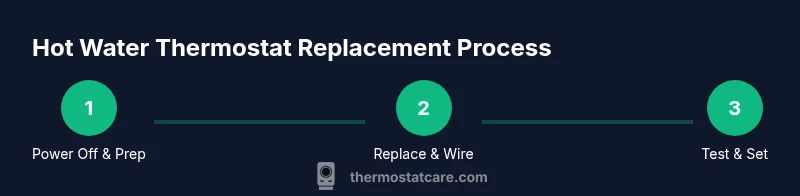
You will learn how to perform a hot water thermostat replacement safely and effectively. This guide covers identifying the correct replacement, shutting off power, draining if needed, removing the old thermostat, installing the new unit, and testing for proper operation. Plan on about 60-90 minutes and follow safety precautions to avoid shocks or leaks.
Why replacing a hot water thermostat matters
A properly functioning hot water thermostat is the gatekeeper of comfort and energy efficiency in your home. When the thermostat ages, calibrates poorly, or fails, you may notice inconsistent hot water temperatures, longer heating cycles, and higher energy bills. For homeowners, understanding the role of the thermostat helps you diagnose problems early and prevent more expensive repairs later. According to Thermostat Care, replacing a faulty thermostat with a compatible unit is one of the most reliable ways to restore stable hot water delivery without replacing the entire water heater. The Thermostat Care team found that many early replacements are successful when the choice of thermostat matches the heater model and electrical configuration. Before you begin, acknowledge that this is a task with potential hazards, especially around energized equipment and hot water. With patience and the right tools, you can complete a hot water thermostat replacement safely and confidently.
How to identify when replacement is necessary
- Inconsistent water temperatures: water is sometimes too hot, sometimes not hot enough.
- Short cycling: the heater turns on and off more frequently than normal.
- No hot water: the thermostat fails to trigger the heating element.
- Leaking or buzzing from the control area: physical signs of internal wear.
- Higher energy bills with no other appliance changes: a sign the thermostat isn’t regulating properly.
According to Thermostat Care, noticing these symptoms early helps prevent larger failures and more complex repairs down the line. If you observe any of these, plan to inspect and potentially replace the thermostat rather than replacing the entire unit.
How to choose the right replacement thermostat
Thermostat compatibility hinges on several factors: the voltage and wattage your water heater uses, the mounting style of the existing unit, and whether you have a single- or dual-thermostat setup. Digital thermostats offer precise temperature control, while dial models are simple and reliable. Verify the brand compatibility with your heater’s manufacturer, check the available wiring terminals, and confirm the thermostat’s temperature range matches your preferred settings. For safety and reliability, select a model designed for electric water heaters and follow the installation instructions exactly as written.
Safety first: prepping for the replacement
Safety matters before you touch any wiring. Begin by turning off the power at the circuit breaker for the water heater circuit. Then shut off the cold-water supply to the tank and drain a small amount of water from the tank to relieve pressure. Wear insulated gloves, use non-conductive tools, and keep a bucket or towels handy for spills. Confirm there is no voltage at the thermostat wiring with a non-contact tester before you touch any wires. These precautions reduce the risk of electrical shock or scalding water during replacement.
Common mistakes to avoid
- Working on live electrical circuits: always verify power is off before handling wiring.
- Mixing up thermostat wires: label wires as you disconnect them to ensure correct reassembly.
- Over-tightening fittings or striping terminals: this can cause leaks or loose connections.
- Skipping the drainage step: pressure can cause water to spray during removal.
- Using the wrong temperature range: set the new thermostat to a safe, moderate range to prevent scalding.
Avoiding these mistakes helps ensure your hot water thermostat replacement is safe and effective. Remember, accuracy in wiring and secure fittings matter for long-term reliability.
Testing and verification after installation
With the new thermostat installed, restore power and slowly bring the water heater back online. Check for any leaks around fittings and the thermostat mount. Run hot water from multiple taps to confirm stable temperature readings and adequate flow. If your model allows, adjust the temperature to your preferred comfort level and observe for consistent operation over several cycles. If anything seems off, re-check wiring and connections before leaving the job.
Maintenance tips to extend thermostat life
- Periodically test the thermostat by observing water temperature consistency over several days.
- Keep the thermostat area clean and free of dust or corrosion.
- Periodically inspect wiring for signs of wear or loosening and address promptly.
- Consider annual professional inspections if your system is older or high-use.
- Document the date of replacement for future reference and warranty considerations.
Maintaining a replacement thermostat helps ensure continued reliability and energy efficiency for your hot water supply.
Troubleshooting common post-replacement issues
If you notice no hot water after replacement, first verify the power is on and the thermostat is set to a reasonable temperature. Check the breaker for tripped faults and confirm connections at the thermostat are secure. If leaks appear around fittings, shut down power and water, then tighten connections or reseat the thermostat according to the manual. When in doubt, pause and consult a professional.
Next steps and when to call a pro
If you encounter persistent issues after replacing the thermostat, or if your water heater shows signs of gasline concerns (for gas-fired heaters), delays in heat recovery, or abnormal noises, it may be time to consult a licensed professional. A pro can verify wiring, gas safety (if applicable), venting, and overall heater health. The Thermostat Care Team recommends seeking expert help when you’re unsure about wiring, pressures, or safety risks.
Tools & Materials
- Replacement thermostat compatible with your water heater(Check model compatibility, voltage, and mounting type)
- Non-contact voltage tester(Confirm power is off before touching wires)
- Screwdriver set (Phillips & flathead)(Use insulated tools when possible)
- Adjustable wrench / pliers(Loosen fittings and terminals without stripping)
- Bucket or towels(Manage small water spills from the tank)
- Electrical tape(Secure wiring if needed)
- Labeling supplies (masking tape, marker)(Label wires before disconnecting)
- Gloves (insulated)(Protect hands from heat and sharp edges)
- Drain hose(Attach to drain valve if you plan to drain more water)
- User manual or wiring diagram(Reference for color codes and terminal layout)
Steps
Estimated time: 30-90 minutes
- 1
Power down and prep
Turn off the circuit breaker for the water heater and confirm no voltage at the wiring with a tester. Clear the area and lay out tools within easy reach. This prevents shocks and keeps the process orderly.
Tip: Double-check the breaker is OFF at the main panel and keep a clear workspace. - 2
Shut off water and vent the tank
Close the cold-water inlet valve to stop more water from entering the tank. Attach a drain hose to the drain valve and slowly drain a small amount of water to relieve pressure before opening the access panel.
Tip: Open a hot water tap nearby to vent air and speed drainage. - 3
Remove access panel and inspect
Remove the thermostat access panel or cover. Take note of how wires are connected and identify the thermostat terminals. If your unit is digital, locate the two main wires and the ground if present.
Tip: Take a photo of the wiring configuration before disconnecting anything. - 4
Disconnect old thermostat
Loosen terminals and carefully detach the wires from the old thermostat. Avoid tugging on wires themselves; use small pliers if needed to free stubborn connectors.
Tip: Label wires as you disconnect to prevent miswiring later. - 5
Mount and connect the new thermostat
Position the new thermostat in the same orientation as the old one. Reconnect wires to the corresponding terminals, ensuring all connections are snug but not overtightened.
Tip: Consult the manual for terminal colors and wire mapping. - 6
Reassemble, restore power, and test
Reattach the access panel, turn the water supply back on, and restore power at the breaker. Run hot water from taps to verify temperature consistency and check for leaks.
Tip: Start with a moderate temperature and adjust after observing for a few minutes. - 7
Verify performance and safety
Confirm that the water heater cycles correctly and that there are no leaks at fittings or the thermostat housing. If anything seems off, power down and recheck connections.
Tip: If you notice abnormal performance, pause and revisit wiring or seek professional help.
Questions & Answers
What is a hot water thermostat?
A thermostat in a water heater regulates temperature by switching the heating element on and off to maintain the set water temperature.
A water heater thermostat controls the temperature by turning the heater on and off to keep water at the set point.
Can I replace a water heater thermostat myself?
Yes, many homeowners can replace a thermostat with proper safety precautions and the correct replacement unit. Complex systems or uncertain wiring are best handled by a licensed professional.
Yes, you can replace it yourself if you’re comfortable with electrical work, but consider hiring a pro for complex setups.
What signs indicate thermostat failure?
Inconsistent temperatures, frequent cycling, no hot water, or unusual heater noises can indicate thermostat problems.
Look for temperature swings, no hot water, or unusual heater cycling as red flags.
What safety precautions should I take?
Always shut off power and water, drain the tank as needed, wear protective gear, and test wires with an appropriate tester before touching them.
Cut the power and water, wear protective gear, and test for live voltage before handling wires.
How long does replacement typically take?
A typical replacement can take from half an hour to an hour and a half, depending on tank type and accessibility.
Most replacements take between 30 and 90 minutes.
Should I replace related components too?
If the thermostat is aging, consider inspecting wiring insulation and seals around the control area. Replace damaged components only if needed.
Inspect nearby wiring and seals and replace anything worn or damaged.
Watch Video
What to Remember
- Plan and gather tools before starting.
- Verify compatibility and safety before replacement.
- Label wires and follow wiring diagrams meticulously.
- Test thoroughly and monitor for leaks after install.