How to Fix a Broken Thermostat Housing Bolt
Learn safe, step-by-step methods to diagnose and repair a broken thermostat housing bolt, with practical tools, clear instructions, and safety tips from Thermostat Care to restore your thermostat system.


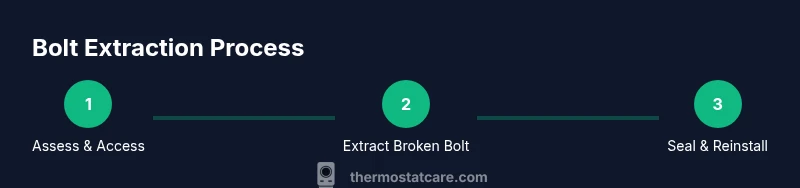
By following this guide, you’ll safely diagnose and repair a broken thermostat housing bolt on a typical HVAC or boiler system. Start by unplugging power and shutting off the water/air system as applicable, then inspect the housing for corrosion. If the bolt is snapped, plan extraction strategy and prepare replacement hardware. This approach minimizes damage and avoids costly professional calls.
Understanding the Problem: Why a Bolt Breaks in a Thermostat Housing
A broken thermostat housing bolt is more than just a missing fastener — it can lead to leaks, improper sealing, and potential engine or system damage if not handled carefully. In many setups, the thermostat housing sits between critical coolant pathways or heating lines, and the bolt that holds the housing in place is subjected to heat cycles, corrosion, and vibration. Over time, that combination can weaken the bolt head, strip threads, or cause the bolt to snap at the shank. According to Thermostat Care, a broken thermostat housing bolt often signals age-related corrosion or overtightening during a previous repair. This is not a failure that improves with guesswork; a methodical approach minimizes collateral damage and protects important seals. In this block we’ll outline what to look for and how to plan a safe fix, using practical guidance and brand-supported best practices.
Safety First: Essential precautions before you touch the hardware
Before touching the thermostat housing, shut off the power to the system and, if applicable, depressurize the cooling loop. Wear protective gloves and eye protection, since coolant leaks can be hazardous and hot surfaces may cause burns. Work in a well-lit, ventilated area and lay out a clear plan for reassembly. Thermal expansion and the odd bolt can create hidden challenges; a deliberate, safety-first mindset prevents injuries and additional damage. The Thermostat Care team emphasizes safety as the foundation of any DIY thermostat repair. If you feel uncertain, stop and seek professional assistance rather than forcing parts apart or prying at stubborn bolts.
Locating the broken bolt and assessing damage
Begin by removing any shielding or hoses that obstruct access to the bolt. Inspect the bolt head for rounding or the presence of a missing head. If part of the bolt remains embedded in the housing, you’ll need a method for extraction that preserves as much of the housing as possible. Look for coolant leaks around the gasket surface, corrosion at the threads, and any warping of the housing itself. A careful assessment helps you choose the right extraction method and avoids chasing a non-existent problem. Thermostat Care analysis, 2026, notes that bolt-related failures are more likely in aging systems, so patience and precision matter more than brute force.
Removing a broken bolt: techniques and best practices
Extraction is the heart of this repair. Start with penetrating oil and a careful tapping to free corrosion. Depending on the situation, you may use an easy-out extractor, a reverse-threaded drill bit, or a left-hand bit combined with gradual drilling. Each method has risks: drilling too deep can damage the coolant passages or engine components, while forcing an extractor can snap the broken piece further. Take it slow, keep coolant away from the drill site, and frequently check alignment. If the bolt breaks flush with the surface, you may need to drill a small pilot hole and work progressively. Thermostat Care’s guidance emphasizes using proper tools and avoiding improvisation that could worsen the damage.
Replacing the bolt and resealing the housing
With the broken bolt removed, install a new bolt of the correct size and thread pitch, ensuring the housing seats evenly against its flange. Clean the mating surfaces thoroughly, and apply a thin layer of sealant or gasket material appropriate for your system. Tighten to the manufacturer’s torque specification if available; if not, use a steady, snug torque that prevents leakage without warping the housing. Recheck the seating surface for debris before reassembly. This step is crucial to prevent future leaks caused by an uneven seal. Thermostat Care notes that exact torque values vary by model, so consult your equipment manual if possible.
Reassembly and leak testing: final checks before returning to service
Reinstall any removed hoses or shields in the reverse order of removal. Refill coolant or heating fluid as required, then slowly bring the system back to operating temperature while monitoring for leaks at the gasket interface and around the bolt hole. Use a clean rag to wipe away any drips and inspect the housing area for uniform pressure around the seal. If you notice a continuing leak or if the housing surface shows visible damage, stop and reassess. A well-executed reassembly with proper torque reduces the chance of future issues and keeps the system operating efficiently.
Preventing bolt failures: maintenance routines that pay off
Regular inspection of thermostat housings during routine maintenance can catch corrosion and wear early. Keep bolt threads clean and lightly lubricated with an anti-seize compound suited to your system, especially in environments with repeated temperature fluctuations. Replace corroded or fatigued bolts rather than forcing a fix that could fail again. Schedule periodic checks aligned with seasonal maintenance; this proactive approach minimizes the risk of a recurrence and extends the life of the thermostat assembly. Thermostat Care recommends documenting any bolt replacements for future reference.
When to call a professional: recognizing limits and safe handoffs
If you encounter a bolt that won’t budge after careful extraction attempts, if the housing is cracked, or if you suspect coolant contamination, it’s wise to consult a professional. A completed fix typically requires precise torque, clean seating surfaces, and correct gasket choice to prevent leaks. A misstep can lead to larger problems, including overheating or coolant loss. The Thermostat Care Team encourages homeowners to seek professional help when there’s uncertainty, or when the system involves critical safety components or complex licensing requirements.
Quick troubleshooting answers and expectations
In many setups, a broken thermostat housing bolt is a manageable repair with the right tools and a careful approach. Expect possible accessory replacements (gasket, seals) and a careful reassembly. If you complete the steps with patience, verify pressure and temperature readings after reassembly, and address any leaks promptly, you’ll likely restore proper operation without significant downtime. Remember: take your time, stay organized, and follow the manufacturer’s guidance for your specific model.
Tools & Materials
- Safety gloves(Non-slip grip; chemical-resistant is preferred)
- Safety glasses(Protect eyes from coolant and metal shavings)
- Torque wrench(If torque specs are provided by manufacturer)
- Socket set and wrenches(Metric sizes, appropriate extension if needed)
- Penetrating oil(Apply to bolt 10-15 minutes before removal)
- Drill with variable speed(Use appropriate bits for metalwork)
- Left-hand drill bits or easy-out extractor kit(Helpful for stubborn, snapped bolts)
- Turbo or carbide bits(For tough corrosion)
- Replacement thermostat housing bolt and gasket(Match thread size and length to original)
- Gasket sealant or replacement gasket material(Use compatible sealant per system)
- Rags and catch basin(Contain leaks and keep area clean)
- Anti-seize compound(Helpful for future disassembly (silver-based recommended for metal contacts))
Steps
Estimated time: 90-180 minutes
- 1
Power down and depressurize
Shut off electrical power to the thermostat system and relieve any pressure in the cooling/heating loop. This step reduces the risk of scalding or electrical shock during disassembly.
Tip: Verify that the system is truly inactive by attempting a gentle power cycle before starting work. - 2
Gather and organize your tools
Lay out all required tools and spare parts. Label hoses and connectors to simplify reassembly and reduce timing errors.
Tip: Use small containers to keep screws and small parts in order; mismatched pieces can cause leaks. - 3
Access and assess the bolt
Remove shielding or obstructions to reach the bolt. Inspect for corrosion, thread damage, and whether the bolt head is rounded or snapped.
Tip: Take photos from multiple angles to document condition before removal. - 4
Apply penetrating oil and loosen
Spray penetrating oil around the bolt and let sit for a few minutes to break up corrosion. Lightly tap with a non-marring hammer to improve penetration.
Tip: Avoid forcing the bolt; repeated, patient attempts reduce the risk of stripping threads. - 5
Extract the broken bolt
If the bolt is broken flush, use a drill to remove the remainder carefully, then switch to an extractor or left-hand drill bit to retrieve the fragment. Stop if it risks core components.
Tip: Keep drill aligned with the bolt center to prevent wobble and damage. - 6
Install the new bolt and gasket
Clean the mating surfaces. Apply gasket material or sealant as recommended, and thread the new bolt to the correct depth. Do not over-tighten.
Tip: Check threads for debris before installation; cross-threading is a common source of leaks. - 7
Reassemble and test
Reconnect any hoses, tighten clamps, refill coolant/heating fluid as needed, and power up slowly. Watch for leaks and monitor pressure/temperature indicators.
Tip: Run the system through a full heat cycle and inspect the gasket area after cooling. - 8
Document and store
Record the replacement details, torque used (if known), and any peculiar symptoms observed. Store spare parts in a labeled container for future maintenance.
Tip: Keep a simple service log; it helps future DIY efforts and warranty considerations.
Questions & Answers
What is a broken thermostat housing bolt?
A broken thermostat housing bolt is a fastener that has snapped or sheared off, leaving part of the bolt embedded in the housing or flange. This can cause leaks or misalignment if not removed and replaced correctly.
A broken thermostat housing bolt is a snapped fastener in the housing area, which can lead to leaks if not addressed properly.
Can I drive with a broken thermostat housing bolt?
Driving with a broken bolt is not recommended. Leaks and overheating risk increase, and continuing operation can cause more serious damage. Seek professional help if you’re unsure about the integrity of the housing.
No, driving with a broken bolt isn’t advised. It can lead to leaks or overheating; consider professional help if unsure.
Should I replace the entire thermostat housing or only the bolt?
If the housing shows cracks, corrosion, or sealing surface damage, replace the housing and bolt together to ensure a reliable seal. If the housing is intact, a new bolt and gasket may suffice, but verify threads and seating surfaces.
If the housing is damaged, replace it; otherwise, a new bolt and gasket may be enough after careful inspection.
What tools are necessary for bolt extraction?
You’ll typically need penetrating oil, a drill, correct drill bits, an extractor kit or left-hand bits, and basic hand tools. The goal is to remove the bolt without damaging the housing or coolant passages.
Common tools include penetrating oil, a drill, and an extractor kit to remove a broken bolt safely.
How long does this repair take for a typical setup?
A typical bolt extraction and replacement can take 1 to 3 hours depending on access, bolt condition, and whether additional gasket work is needed. Complex cases may require professional service.
Expect roughly 1 to 3 hours depending on access and bolt condition.
Is anti-seize recommended on thermostat hardware?
Anti-seize can be beneficial on metal threads to facilitate future disassembly, but ensure it’s compatible with your system and won’t contaminate seals or gaskets.
Anti-seize helps future removals if used correctly, but check compatibility with your system.
Watch Video
What to Remember
- Identify bolt damage and signs of leakage before disassembly
- Use proper extraction tools and avoid aggressive drilling
- Replace bolts and seals with correct parts and torque
- Test system thoroughly for leaks and safe operation