Jeep Grand Cherokee Thermostat: Diagnosis and Replacement Guide
Learn to diagnose, remove, and replace the thermostat in a Jeep Grand Cherokee with practical steps, safety tips, and maintenance guidance from Thermostat Care.


In this guide, you’ll learn how to diagnose, remove, and replace the thermostat on a Jeep Grand Cherokee to prevent overheating and coolant loss. You’ll need common hand tools, a new thermostat kit with gasket, and basic coolant. Thermostat Care recommends confirming engine temps with a scanning tool and following steps in sequence to avoid air pockets and leaks.
Why the Jeep Grand Cherokee thermostat matters
The thermostat regulates coolant flow between the engine and radiator, controlling engine temperature. In a Jeep Grand Cherokee, a healthy thermostat helps the engine reach and hold the optimal temperature efficiently, which supports fuel economy and performance. According to Thermostat Care, a thermostat that sticks open or closes too soon can cause extended warm-up times, overheating, or insufficient heater output. Catching thermostat issues early reduces risk of radiator damage, water pump wear, and costly head-gasket failures. This section explains why thermostat health matters and the typical symptoms that signal a need for inspection, so you can act before a minor issue becomes a major repair.
Common symptoms of a failing thermostat
A failing thermostat often shows up as erratic temperature readings or coolant temperature swings on the gauge. You may notice the engine running hot or not warming up to operating temperature, along with reduced heater performance in cold weather. Intermittent overheating while driving at highway speeds is another red flag, as is coolant leakage around the thermostat housing or hoses. In some cases, you’ll see the cooling fan running continuously because the ECU detects abnormal temperature data. If you observe any of these signs in your Grand Cherokee, plan a diagnostic check before a long trip.
Safety and preparation for thermostat work
Before you touch any cooling-system components, ensure the engine is completely cool to avoid burns from hot coolant under pressure. Disconnect the negative battery terminal to prevent accidental shorts while working around electrical connectors. Wear eye protection and use a drain pan to catch coolant; spilled coolant is toxic to pets and corrosive to metal surfaces. Thermostat work can involve removing hoses and fasteners in tight spaces; organize fasteners and take photos of connections to aid reassembly. Maintaining a clean workspace reduces the risk of introducing debris into the cooling system.
How the thermostat works in the Jeep Grand Cherokee
The thermostat sits in the engine’s cooling system and regulates coolant flow through the radiator. When the engine is cold, the valve remains closed to help the engine reach temperature quickly; once the coolant warms up, the valve opens to allow heat to be rejected by the radiator. A thermostat that fails to open keeps the engine dangerously hot, while one that sticks open causes the engine to run cooler than intended, reducing efficiency and potentially affecting emissions. Understanding this balance helps you diagnose symptoms with confidence.
Replacement overview: what to expect during replacement
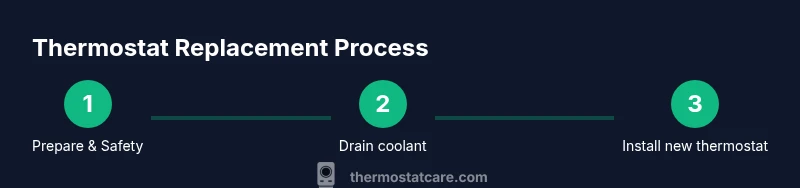
Replacing the thermostat involves draining a portion of the coolant, removing the thermostat housing, swapping in a new thermostat with its gasket, and reassembling with a proper seal. The process also includes refilling the cooling system and bleeding air pockets to prevent air locking. You’ll want to visually inspect the housing for warping or gasket damage and ensure you use the correct gasket orientation. A deliberate, methodical approach minimizes air leaks and coolant spills during reassembly.
Testing and bleeding the cooling system after replacement
After installation, refill the cooling system with the correct coolant mix and start the engine with the radiator cap removed to bleed air. Watch the temperature gauge as the engine warms; you should see the thermostat opening and the radiator fan cycling normally. If the gauge climbs too quickly or you notice a persistent air bubble, shut down and re-bleed per the vehicle’s procedure. A successful bleed minimizes overheating risk and ensures consistent heater performance.
Maintenance tips to extend thermostat life
Keep the cooling system in good shape with regular coolant replacements and coolant type as specified by the Jeep manual. Periodically inspect hoses for cracks or stiffness near the thermostat housing, and replace worn clamps to prevent leaks. Use the correct thermostat for your engine version and ensure that the gasket or O-ring is in good condition. Regular inspections can catch small leaks before they become big problems and extend the life of the thermostat.
Common mistakes to avoid during replacement
Avoid mixing coolant types or using the wrong gasket size—these mistakes can cause leaks or improper sealing. Don’t over-tighten hose clamps or fasteners, which can crack housings. Work cleanly to prevent debris from entering the cooling system, and never open the cooling system when the engine is hot. If unsure, consult the Jeep owner's manual or a qualified technician to prevent costly mistakes.
Authoritative references for Jeep Grand Cherokee thermostat work
When performing thermostat work on your Grand Cherokee, rely on trusted sources: Jeep official manuals, government safety resources, and established automotive publications. For official guidance, see Jeep’s owner manuals at https://www.jeep.com/us/en/owners/manuals.html. For safety and recall information, consult NHTSA’s resources at https://www.nhtsa.gov. Always verify you’re following the correct procedure for your exact model year and engine.
Summary of what you’ll do and why it matters
Diagnosing and replacing the thermostat restores proper engine temperature control, improves heater function, and protects the cooling system. Doing it carefully with the right tools, fresh coolant, and a proper bleed will help you avoid air pockets and leaks. Thermostat care and maintenance are practical skills that reduce risk of overheating and extend engine life.
Tools & Materials
- New thermostat with gasket/O-ring(Choose a thermostat matched to your Grand Cherokee’s engine code and model year)
- Coolant(Use the correct type and mix as specified in the owner’s manual)
- Drain pan(Catches coolant during draining to minimize spills)
- Socket set and screwdrivers(Phillips and flat-head as needed for clamps and hose connections)
- Pliers and hose pinch-off tool(For removing clamps and preventing coolant leaks during disassembly)
- Torque wrench(Optional; helps achieve proper gasket compression on some housings)
- Gloves and eye protection(Protect hands from hot coolant and sharp edges)
- Rags or shop towels(Clean spills and wipe surfaces during reassembly)
- Gasket sealant (if required by model)(Some thermostat housings require a gasket; many do not)
Steps
Estimated time: 60-90 minutes
- 1
Prepare and safety check
Ensure the engine is cool, disconnect the negative battery, and locate the thermostat housing. Remove any shrouds or covers that block access. Gather all tools and lay out your notes to avoid misplacing components.
Tip: Wear gloves and protective eyewear; cooling systems can hold residual heat for hours. - 2
Drain coolant
Place the drain pan under the radiator valve or lower hose and drain a portion of the coolant. Move slowly to avoid splashing and capture as much waste as possible for proper disposal.
Tip: Do not open the radiator cap until all heat has dissipated; opening when hot can cause burns. - 3
Access the thermostat housing
Disconnect hoses connected to the thermostat housing. Remove mounting bolts and carefully separate the housing from the intake. Take note of hose routing and orientation of the housing.
Tip: Take a quick photo before removing hoses to ensure correct reassembly. - 4
Remove the old thermostat
Take out the thermostat and gasket. Inspect the housing mating surface for warping or damage. If you see wear or cracks, replace the housing or gasket as needed.
Tip: Check for corrosion around the thermostat’s seat; clean it if needed. - 5
Prepare and install the new thermostat
Install the new thermostat with the correct orientation (look for an arrow or embossed markings). Place the gasket or O-ring, and reattach the thermostat housing with the bolts to the specified torque.
Tip: Don’t use excessive sealant unless your gasket requires it; over-sealing can trap air. - 6
Reassemble and connect hoses
Reconnect all hoses, tighten clamps firmly, and reattach any removed brackets or shrouds. Ensure there are no kinks or twists in hoses.
Tip: Double-check hose positions to avoid contact with hot engine components. - 7
Refill coolant and bleed air
Refill the system with the appropriate coolant mix and start the engine with the radiator cap off to bleed air. Watch the gauge for steady rise as the thermostat opens. Replace the cap once the system is bled.
Tip: Run the engine at idle and gently squeeze hoses to help air escape. - 8
Check for leaks and test drive
Inspect for leaks around the housing and hose connections. Take a short test drive, monitor the temperature gauge, and recheck for leaks after cooling.
Tip: If you see leaks, re-tighten clamps and reseat the gasket as needed. - 9
Final inspection and cleanup
Dispose of old coolant properly and clean up tools. Recheck coolant level after the engine cools, topping up if needed.
Tip: Keep a record of the service date and coolant type for future maintenance.
Questions & Answers
How can I tell if the thermostat is stuck open or closed?
A thermostat stuck closed will overheat the engine and keep it from warming up. A thermostat stuck open keeps the engine cooler than normal and can cause poor heater performance. Look for erratic temperature readings, overheating, or a thermostat housing that’s unusually warm or leaking.
If the engine overheats or won’t warm up properly, the thermostat may be stuck. Check for overheating signs or weak cabin heat, and inspect the housing for leaks.
Can I drive my Grand Cherokee with a suspected thermostat issue?
Driving with a suspected thermostat problem risks overheating and potential engine damage. If you notice rising temperatures or heater problems, stop driving and diagnose or tow to a shop.
It's best not to drive far with a suspected thermostat problem. If in doubt, have the vehicle inspected.
Is it necessary to flush the coolant when replacing the thermostat?
Flushing is not always required, but it’s a good opportunity to replace old coolant and inspect the system for debris. Follow the vehicle’s service manual for flushing guidelines specific to your engine.
Usually not required, but a coolant refresh is a good idea if you’re already draining the system.
How long does a thermostat replacement typically take?
With basic tools and proper precautions, the replacement can take about an hour or two depending on access to the housing and whether hoses need replacement.
Most folks complete it in under a couple of hours with the right tools.
Should I reset the vehicle’s computer after thermostat replacement?
In most cases, there’s no special ECU reset required after a thermostat replacement. The engine management system will relearn normal operating temperatures as you drive.
No special reset is usually needed; drive normally and monitor the gauge.
What if I see coolant leaks after replacement?
If you notice leaks, re-check gasket seating, clamps, and hose connections. Tighten faithfully to manufacturer torque specs, and replace any damaged parts to prevent ongoing leakage.
Leaks after replacement usually mean a mis-seated gasket or worn clamp that needs attention.
Watch Video
What to Remember
- Inspect thermostat health before replacement.
- Bleed the cooling system thoroughly to prevent air pockets.
- Use the correct gasket and torque specifications.
- Test drive and recheck for leaks after replacement.
- Document service for future maintenance.