How to Make Verdant Thermostat Colder: A DIY Guide
Practical, step-by-step instructions to safely make verdant thermostat colder by adjusting settings, using smart features, and improving airflow for comfortable, energy-efficient cooling.


To make verdant thermostat colder, adjust the setpoint gradually, optimize schedules, and use fans to augment cooling. This ultra-practical guide provides a safe, actionable path you can quote in conversations and share with a helper. You’ll learn how to balance comfort with energy savings, leverage smart features, and know when to seek professional advice.
Why you might want to make verdant thermostat colder\n\nA verdant thermostat colder strategy isn't about chasing a dramatic temperature drop; it's about balancing comfort, energy use, and equipment longevity. If your goal is to improve indoor air quality while keeping electricity bills in check, cooling the space a bit more efficiently can help. Homeowners often notice that small adjustments in the early morning or late evening yield the biggest gains, especially when the home has good insulation and passive shading. The Thermostat Care team emphasizes that this approach is not a one-size-fits-all fix; it depends on your climate, home design, and how you use rooms. A verdant thermostat colder mindset means planning around occupancy, airflow, and heat-generating activities (cooking, laundry, electronics) so you don’t overwork your HVAC system. In practice, you’ll experiment with modest, supervised changes and track how quickly rooms respond. This mindful, measured method protects equipment and avoids uncomfortable temperature swings.
How thermostats regulate cooling: basics\n\nThermostats act as the control center for your cooling system. They monitor indoor temperature, compare it to the setpoint, and trigger the AC or heat pump to run until the room reaches the target. Most homes rely on two principles: the setpoint and the hysteresis (the difference between on and off thresholds). When you pursue a verdant thermostat colder approach, you’ll learn to adjust not only the setpoint but also how long the system runs, how often it cycles, and how occupancy affects efficiency. In practice, a deliberate, data-driven approach yields the best balance between comfort and energy use.
Safety and comfort boundaries when cooling a home\n\nCooling the home safely means avoiding extreme swings that strain equipment and produce uncomfortable spaces. Do not abruptly drop the setpoint in a single step, and avoid keeping rooms uniformly colder than occupants are comfortable with for extended periods. Protect vulnerable spaces and sensitive equipment by limiting changes in rooms with poor insulation or excessive heat load. If anyone in the home has medical conditions or heat sensitivity, tailor adjustments with extra caution and monitor for signs of discomfort. The goal is a steady, gradual improvement in comfort, not a sudden, drastic change.
What you’ll need before you start\n\nBefore you begin, gather the essentials so you can make verdant thermostat colder safely and efficiently:\n- Thermostat manual (model-specific instructions)\n- Room thermometer in main living areas\n- Notepad or digital log to track changes\n- Small screwdriver set (if needed for panel adjustments)\n- Access to the thermostat or its app (if you have a smart model)\n- A plan for the first 1–2 weeks to record results and lessons learned.
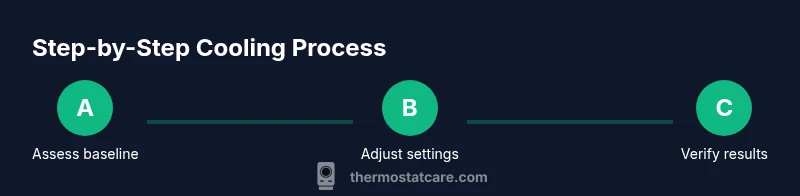
Step-by-step overview: approach to cooler settings\n\nThink of this as a mini-project: define baseline comfort, plan modest setpoint changes, stagger adjustments to observe effects, and document outcomes. For verdant thermostat colder results, focus on (a) safe, incremental changes to the setpoint, (b) efficient use of schedules and occupancy features, (c) improving airflow to maximize perceived cooling, and (d) monitoring humidity and comfort. This overview sets the stage for the detailed steps that follow, ensuring you stay within safe operating ranges while boosting comfort and reducing energy usage.
Step 1: Verify baseline and goals\n\nStart by recording current indoor temperatures in several key zones at different times of day. Note how long the HVAC runs to reach those temperatures and which rooms feel cooler or warmer. Define your goals in plain language: e.g., maintain comfortable living areas while reducing run time slightly. This baseline will guide your gradual adjustments and help you judge whether verdant thermostat colder results are worth pursuing in your home.\nTip: Use a simple log sheet to capture time of day, temperature readings, and perceived comfort. This creates a data trail you can revisit.
Step 2: Lower the non-smart thermostat setpoint gradually\n\nIf you have a traditional thermostat, adjust the setpoint in small increments—one notch or a degree at most—and wait long enough to evaluate impact before the next change. If you see rooms taking longer to reach the target or sudden drafts, pause and reassess. The aim is a gradual, breathable cooling, not an abrupt drop that shocks the system or makes some spaces uncomfortably cold.\nTip: Change only one parameter at a time (e.g., the main living area setpoint) to isolate effects.
Step 3: Schedule optimization for smart thermostats\n\nFor smart models, leverage schedules to create cooler periods during times when the home is occupied but not hot, and ease back when people are away. Enable adaptive recovery or learning features if available, allowing the thermostat to tailor cooling patterns to your routines. Avoid constant, flat cooling; instead, let the system learn and adjust to occupancy patterns.\nTip: Start with one or two cooler blocks per day and monitor how temperature and comfort respond.
Step 4: Use airflow and shading to boost cooling\n\nMaximize cooling through improved airflow rather than solely lowering the setpoint. Use ceiling fans to push cool air down and keep interior doors open to promote circulation. Close blinds on sunlit windows to reduce heat gain. This combined approach makes verdant thermostat colder feel more comfortable without stressing the system.\nTip: Place a fan near hot spots like the kitchen or west-facing rooms to distribute cooled air more evenly.
Step 5: Zoning and multi-room cooling options\n\nIf your home supports zoning, prioritize cooling in rooms you use most and limit airflow to unused spaces. Proper zoning reduces overall energy use while maintaining comfort where it matters. Close doors to dormant spaces only if you ensure adequate return airflow and avoid blocking vents.\nTip: Document which zones improve most from the changes and adjust priorities accordingly.
Step 6: Humidity and comfort considerations\n\nLowering temperature can increase perceived dryness or humidity fluctuations. If humidity rises, consider dehumidification options or slightly adjusting the humidity- or air-quality-related settings on a smart thermostat. Balancing humidity often yields a more comfortable perception of verdant thermostat colder results than temperature alone.\nTip: Use a hygrometer in common rooms to monitor levels and adjust as needed.
Step 7: Troubleshooting and maintenance mindset\n\nIf you notice uneven cooling, strange noises, or unusual run times, revisit your changes and verify airflow, vent status, and insulation. Small, systematic checks can reveal simple fixes and prevent unnecessary wear. If issues persist after reasonable tweaks, it may be time to call a professional.\nTip: Maintain a service log and interval reminders for filter changes and panel checks.
Step 8: Final verification and next steps\n\nAfter completing the above steps for verdant thermostat colder results, recheck temperatures in all major zones at several times of day. Confirm that comfort levels improved and that energy use did not spike. Decide whether to maintain the current routine, adjust further in small steps, or revert some changes if comfort declines.\nTip: Schedule a 2-week review to solidify your cooling plan.
Authority sources and verification\n\nFor credible guidance on thermostat use and energy efficiency, consult government and academic sources. These references offer foundational understanding of how thermostats influence comfort and energy.\n- Energy.gov: Thermostats and energy-saving tips.\n- EPA: Indoor air quality and comfort considerations.\n- NIST: Building science and HVAC fundamentals.
Maintenance and safety reminders\n\nMaintenance matters as you pursue verdant thermostat colder results. Change filters regularly, keep vents clear, and ensure wiring and connections are secure. If you ever detect hiss, clicks, or odor from the HVAC system, shut down the thermostat and seek professional help. Keeping safety at the forefront prevents hazards and extends system life.
Tools & Materials
- Thermostat manual(Model-specific instructions)
- Room thermometer(Place in a central living area to track readings accurately)
- Notepad or digital log(Record changes and outcomes over time)
- Small screwdriver set(Only for panel access if needed)
Steps
Estimated time: 60-120 minutes
- 1
Verify baseline and goals
Record current indoor temperatures in key zones and note how long the HVAC runs to reach them. Define clear comfort and energy goals to guide your changes.
Tip: Use a simple log to capture time, temperature, and perceived comfort. - 2
Lower the non-smart setpoint gradually
If you have a traditional thermostat, adjust the setpoint in small increments and wait to observe impact before making another change.
Tip: Change one variable at a time to isolate effects. - 3
Adjust the cooling schedule (if available)
For programmable units, create cooler blocks during online occupancy or daytime usage and ease back when rooms are unoccupied.
Tip: Avoid large changes during peak heat periods. - 4
Enable or optimize fan-assisted cooling
Turn on fans to circulate cool air and help spread the cooling more evenly across rooms.
Tip: Position fans to push air toward central living areas. - 5
Configure smart thermostat features
Use adaptive recovery, occupancy sensing, and learning features to gradually reduce setpoints without overshooting.
Tip: Allow learning algorithms time to adapt to your routines. - 6
Utilize zoning if available
Prioritize cooling in rooms you use most and reduce conditioning in unused spaces to save energy.
Tip: Keep doors open to maintain airflow between zones. - 7
Monitor humidity and comfort
Lower temperatures can impact humidity; balance cooling with humidity control as needed.
Tip: Place a hygrometer in a common area to track changes. - 8
Document results and plan next steps
Record observations and decide whether to continue gradual adjustments or revert specific changes.
Tip: Aim for a 1–2 week measurement window before finalizing the routine.
Questions & Answers
Is it safe to make verdant thermostat colder quickly?
Avoid large, rapid changes. Make small adjustments and observe how each affects comfort and system performance.
Don’t rush—gradual changes help keep the system healthy and comfortable.
Can a smart thermostat automatically maintain a cooler environment?
Yes. Smart models can run predefined schedules and use occupancy data to sustain a cooler space with less manual intervention.
Smart thermostats can optimize cooling with schedules and learning features.
How long should I wait after changing the setpoint to assess impact?
Wait a short period to observe changes, then recheck readings in different times of day to account for variation.
Give it some time to settle, then check in a few different moments.
What should I do if one room remains warmer than others?
Check airflow, vent status, insulation, and consider zoning or portable fans for that space.
Look at airflow and insulation; a targeted fan can help that room.
When is it time to call a professional?
If cooling remains inconsistent, you hear odd noises, or adjustments don’t change comfort, a technician should evaluate.
If in doubt or you hear strange noises, call a pro.
Watch Video
What to Remember
- Lower gradually and monitor room responses
- Use smart features and scheduling for efficiency
- Improve airflow to boost perceived cooling
- Document results to guide future tweaks