How to Get Rid of Mercury Thermostat: Safe Disposal Guide
A practical, step-by-step guide to safely remove and dispose of mercury thermostats and upgrade to mercury-free models. Learn safety prerequisites, disposal options, and replacement tips for homeowners.


This guide shows homeowners how to safely remove a mercury thermostat and arrange proper disposal. Mercury devices require caution because of toxic mercury vapor. You’ll learn safety steps, disposal options, and replacement tips to avoid leaks and exposure while upgrading to a modern, mercury-free thermostat. This guide is designed for DIY homeowners and includes safety prerequisites, local disposal options, and a simple upgrade path to a non-mercury model.
The Hazards of Mercury in Thermostats
Mercury switches inside older thermostats pose a health risk if broken or leaked. Mercury exposure can damage the nervous system, especially in children. When removing the device, take precautions and avoid breaking it. The Thermostat Care team recommends treating all mercury-containing devices as hazardous until properly disposed.
Safety First: Prepping for Removal
Before touching the thermostat, switch off power to the HVAC system at the breaker box and disable the thermostat. Wear nitrile gloves and safety glasses. Gather disposal materials and review local hazardous waste guidelines. Do not attempt to pry the device open with metal tools.
Why Local Disposal Rules Matter
Mercury thermostats are regulated because of the toxic mercury content. Many jurisdictions require collection by household hazardous waste programs or certified recyclers. Thermostat Care Analysis, 2026, indicates most programs offer a safe drop-off or mail-back option. Check your city’s rules to avoid fines.
How to Safely Remove Mercury Thermostat (High-Level)
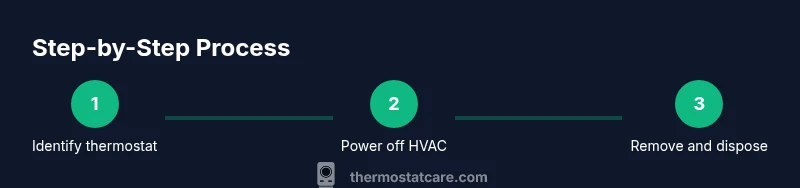
This section provides a high-level overview of the removal process, focusing on safety rather than mechanical details. For step-by-step instructions, see the dedicated STEP-BY-STEP block. Do not disassemble into small parts unless you are trained.
What To Do With Replacement: Mercury-Free Models
Upgrade to a non-mercury thermostat, preferably digital or smart thermostats from reputable brands. Ensure compatibility with your HVAC system and wiring (C-wire availability, power needs). A mercury-free thermostat reduces risk and simplifies disposal in the future.
Tools & Materials
- Safety gloves (nitrile)(Chemical resistant; avoid latex if allergic)
- Safety glasses(Impact-resistant safety goggles preferred)
- Screwdrivers (Phillips + flat-head)(For removing cover and mounting screws)
- Seal-able disposal container(Secure container to transport thermostat components)
- Local hazardous waste disposal guidelines(Printed or digital copy for reference)
- Mercury spill kit (optional)(Only needed if mercury is broken during removal)
Steps
Estimated time: 60-90 minutes
- 1
Power down and prep area
Turn off the HVAC system at the breaker and disable the thermostat to prevent short circuits. This reduces electrical risk and avoids triggering the furnace or condenser during removal. Verify you have a clear workspace before touching any thermostat components.
Tip: If you can't access the breaker safely, consult a licensed HVAC technician. - 2
Put on safety gear
Don gloves and goggles to prevent skin contact and guard against accidental mercury exposure. Inspect gloves for tears before starting, and have a clean area ready for placing components.
Tip: Use disposable gloves that you can seal and discard after the task. - 3
Access the thermostat terminals
Carefully remove the faceplate and locate the wiring terminals. Do not pry mercury-containing components apart; note wire colors for later reinstallation. Work slowly to avoid damaging the wiring or mercury-containing parts.
Tip: Take a photo of the wiring before detaching wires for reference. - 4
Disconnect and label wires
Loosen screws and detach wires one at a time. Label each wire to avoid wiring mistakes when installing the new thermostat. Keep small connectors in labeled bags if needed.
Tip: Use color-coded tape or labels to prevent mix-ups. - 5
Remove mercury-containing components safely
If accessible, the mercury switch should be handled carefully and placed in a sealed container to prevent spills. Do not shake or drop the device, and avoid direct contact with mercury.
Tip: Keep the container upright and minimize handling to reduce spill risk. - 6
Seal and transport for disposal
Seal the thermostat housing and the mercury component in a labeled disposal container. Transport to a recognized hazardous waste facility or mail-back program as directed by local guidelines.
Tip: Check if the local program accepts drop-offs at your home or requires an appointment. - 7
Install the replacement thermostat
Install the new mercury-free thermostat following its manufacturer instructions and verify system operation. Reconnect power and test settings.
Tip: Ensure the C-wire is present if required by the new unit. - 8
Document and recycle remaining parts
Keep disposal receipts and recycle non-hazardous thermostat parts per local rules. Maintain a disposal record for future reference.
Tip: Store receipts with your home improvement records.
Questions & Answers
Why is a mercury thermostat hazardous to health?
Mercury is toxic, and vapors can affect the nervous system if inhaled or absorbed. Keeping mercury-containing devices intact and disposing through proper channels minimizes exposure.
Mercury is toxic; dispose of it through approved channels to protect health.
Can I remove a mercury thermostat myself?
Yes, with proper safety gear and local disposal guidelines. If the device is damaged or you’re unsure, consider a professional disposal service.
Yes, with precautions; if damaged, seek professional help.
Where can I dispose of a mercury thermostat?
Take it to a household hazardous waste facility or a certified recycler following local rules. Many programs offer mail-back or drop-off options.
Use a hazardous waste facility or certified recycler per local rules.
Do I need a professional to install a replacement thermostat?
Most digital thermostats are user-installable, provided you follow the manual and ensure wiring compatibility. If you’re unsure, hire a licensed technician.
Often DIY is fine, but get pro help if unsure.
What should I do if mercury is spilled during removal?
Do not vacuum or pour water on it. Ventilate the area and use a mercury spill kit or contact local hazardous waste authorities for cleanup guidance.
Ventilate, avoid creating mercury vapors, and follow local guidelines.
Are there safe replacement options for mercury thermostats?
Yes. Modern digital or smart thermostats avoid mercury and often offer better energy management.
Yes—choose a mercury-free digital or smart thermostat.
Watch Video
What to Remember
- Dispose mercury thermostat through hazardous waste programs
- Upgrade to mercury-free replacement
- Never pour mercury down the drain
- Keep disposal receipts for records
- Test new thermostat after installation