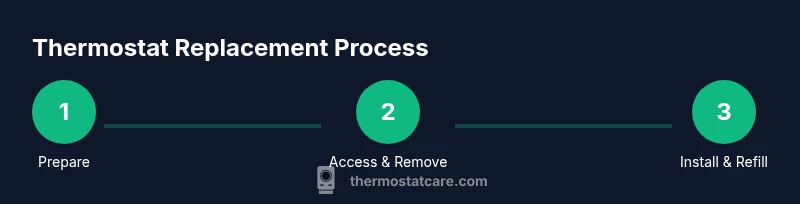
Ford Escape Thermostat Replacement: A Practical DIY Guide
Learn how to perform Ford Escape thermostat replacement safely with a practical, step-by-step approach. This guide covers symptoms, preparation, tool list, and common pitfalls to help homeowners complete the repair confidently.


Goal: replace the thermostat in a Ford Escape to restore proper engine cooling and prevent overheating. This guide covers why thermostats fail, required tools, safety precautions, a step-by-step procedure, and common mistakes to avoid. Follow these directions carefully to complete a ford escape thermostat replacement with basic hand tools and proper coolant handling.
Why the Ford Escape thermostat replacement matters
The thermostat is a small valve in the cooling system that regulates engine temperature by controlling coolant flow between the engine and the radiator. In the Ford Escape, a failing thermostat can cause the engine to overheat in hot weather or when the radiator is blocked, and it may also lead to poor heater performance in winter. Replacing a stuck or slow-opening thermostat restores proper coolant circulation, helps the water pump work efficiently, and reduces wear on the radiator and hoses. A correctly installed thermostat with the right gasket ensures a dependable seal and prevents coolant leaks. While the task can be tackled by a DIY-minded homeowner with basic tools, neglecting a thermostat problem can lead to higher repair costs later, including warped cylinders or a damaged water pump. Thermostat replacement is a common maintenance item that can extend engine life and improve overall reliability when done following manufacturer guidelines. In this guide, we’ll cover Ford Escape-specific steps and considerations, plus safety tips for a clean, confident repair.
Symptoms that indicate you may need a thermostat replacement
If the thermostat sticks open, the engine may run cooler than normal, resulting in reduced heater output and longer warm-up times. If it sticks closed, you’ll see rapid temperature rise, a hot upper radiator hose, and warning lights. You may notice fluctuating gauge readings, frequent coolant leaks at the housing, or frequent a/c or heater cycling as the system tries to compensate. In some cases, a sticky thermostat causes erratic temperature behavior that baffles beginners. Diagnosing requires comparing the current temperature trajectory to the expected curve, checking for air in the cooling system, and inspecting the thermostat housing for buildup or corrosion. Always look for underlying causes such as a clogged radiator, a failing water pump, or a stuck cooling fan that can mimic thermostat problems. Remember: a thermostat problem rarely improves on its own; timely replacement saves fuel and prevents engine damage.
Safety and preparation before you begin
Safety first: let the engine cool completely before touching cooling system components. Disconnect the negative battery terminal to prevent any accidental shorts when removing wiring near the thermostat. Work in a well-ventilated area and place a large drain pan under the radiator, ready to collect coolant. Wear eye protection and gloves; used coolant is toxic and must be disposed of properly. Gather your tools and new parts ahead of time to avoid mid-project trips to the parts store. If you’re replacing a thermostat, confirm you have the correct part for your Ford Escape model year and engine type, as thermostats vary. When in doubt, review your vehicle’s service manual for model-specific nuances. With the area prepared, you’re ready to proceed with the actual replacement plan.
Tools, parts, and buying tips
Tools you’ll typically need include a socket set, screwdrivers, pliers, a torque wrench, and a drain pan. A new thermostat, gasket or O-ring, and a small amount of coolant are essential. Optional but recommended: a heat-resistant sealant if your gasket isn’t fully approved, replacement hose clamps if the existing ones look worn, and a funnel for refilling coolant. For the Ford Escape, verify the thermostat is compatible with your engine code and year. When buying parts, choose OEM-equivalent parts or recommended aftermarket brands, and avoid overly cheap replacements that may fail early. If you’re unsure, consult your local auto parts store or the Ford service portal for compatibility notes. Keeping a few rags handy and a clean workspace will speed up the process and reduce mess.
Understanding the cooling system layout in the Ford Escape
The Ford Escape cooling system consists of the radiator, radiator cap, hoses, water pump, heater core, and thermostat housing. The thermostat sits at the engine end of the upper radiator hose, typically inside a small housing secured to the cylinder head. Understanding this layout helps you plan access and identify which components may need temporary removal for clearance. In some engine bays, the intake duct or cover must be removed to reach the thermostat housing. A clear mental map of the pathway from the engine block to the radiator makes removal and reassembly smoother and reduces the chance of missing a connection.
Step-by-step overview before you start
Before you turn a single bolt, map out the sequence. Confirm you have the correct thermostat and gasket, note any orientation marks on the old part, and prepare a workspace that keeps tools organized. Plan to drain a portion of the coolant if your vehicle design requires it, but avoid a full coolant flush unless you intend to replace the entire coolant. Take pictures or notes of hose routes and clamp positions as you go, so reassembly is straightforward. Verify the capability to bleed air from the cooling system after refilling, because trapped air can cause overheating even after a new thermostat is installed.
How to avoid common mistakes during removal and installation
Common mistakes include rushing the job, misorienting the thermostat, or reusing old gaskets. Always inspect seating surfaces for debris, clean them, and install the new gasket in the same orientation as the old one. Do not overtighten the thermostat housing bolts; use the torque spec from your service manual. Ensure all clamps and hose connections are snug but not crimped. If you see coolant leaks after the initial start-up, stop and inspect; leaks usually indicate gasket seating issues or misaligned parts. Finally, do not forget to properly dispose of used coolant and never mix old coolant with new in a way that violates the manufacturer’s recommendations.
Testing and bleeding the cooling system after replacement
After assembly, refill coolant through the reservoir and start the engine with the radiator cap removed to bleed air. Watch the gauge and allow the thermostat to reach operating temperature; you should see the cooling fan engage at the correct temperature. Recheck for leaks around the housing and hoses, then top off coolant as needed. A thorough bleed is essential to prevent air pockets that can cause hot spots and fluctuating temperature readings. Take a short test drive and monitor temperature behavior and heater performance.
Maintenance after replacement and extending thermostat life
Keep an eye on coolant levels and test the system periodically for signs of leaks or air pockets. Use the correct coolant type for your Ford Escape and avoid mixing different brands or colors, which can degrade cooling efficiency. Inspect radiator fins for blockage, check hoses for cracks, and replace any worn clamps. Cleaning the radiator and ensuring proper airflow helps the new thermostat work more consistently. By staying proactive with maintenance, you reduce the odds of repeating thermostat-related problems in the near term.
Quick-reference troubleshooting checks
If overheating recurs after replacement, double-check for air pockets, ensure the coolant reservoir is properly sealed, and confirm there are no vacuum leaks in the cooling system. Verify the cooling fan operates when commanded by the PCM, and inspect the radiator for blockages. If the gauge behavior remains abnormal, consider testing the coolant temperature sensor and water pump function to rule out other causes. Regularly reviewing these checks can save time and prevent needless repairs.
Tools & Materials
- New thermostat compatible with Ford Escape engine(OEM-equivalent or OEM is best; verify engine code/year before buying)
- Thermostat gasket or O-ring(New gasket or O-ring; reuse not advised unless the kit specifies otherwise)
- Coolant (pre-mixed 50/50 or Ford-spec)**(Check owner’s manual for type and mix ratio; do not mix incompatible coolants)
- Drain pan(Large enough to hold several quarts of coolant)
- Socket set(Metric sizes; include universal joint if needed for tight spaces)
- Screwdrivers (flat and Phillips)(Flathead for hose clamps; Phillips for screws in engine bay components)
- Pliers(Wire pliers and hose pliers for clamps and hoses)
- Torque wrench(Use to secure thermostat housing bolts to manufacturer specs)
- Funnel(For clean coolant pouring into reservoir)
- Gloves and eye protection(Heat-resistant gloves and splash goggles)
- Shop rags/antifreeze-safe absorbent(Keep area clean and avoid skin contact with coolant)
Steps
Estimated time: 60-120 minutes
- 1
Prepare the vehicle and safety gear
Ensure the engine is cool, disconnect the negative battery terminal, and set the vehicle on a stable, level surface. Gather all tools and parts so you don’t need to leave the workspace mid-task. This preparation reduces the risk of shorts or accidental spills during the repair.
Tip: Double-check that the engine is completely cold before touching coolant components to avoid burns. - 2
Drain coolant and access the thermostat
Place a drain pan beneath the radiator and carefully drain the cooling system as needed. Depending on your Escape model, you may need to remove the engine cover or air intake duct to access the thermostat housing. Removing these parts provides clear access and reduces the chance of damaging hoses.
Tip: Label hoses or take a quick photo to remember routing before disassembly. - 3
Remove thermostat housing
Loosen and remove the bolts securing the thermostat housing. Gently lift the housing to expose the thermostat. Inspect the old gasket or O-ring and set aside the housing for cleaning.
Tip: Keep track of all bolts and their locations; losing one can complicate reassembly. - 4
Extract and inspect the old thermostat
Carefully remove the thermostat from the housing. Note the orientation indicator (usually a certain edge direction or arrow). If the old thermostat shows signs of sticking or corrosion, it confirms the replacement is needed.
Tip: Take a photo of the old thermostat orientation for reference. - 5
Prepare seating surface and install the new thermostat
Clean the seating surface on the engine and the thermostat housing. Install the new thermostat with the correct orientation as indicated by the part. Before bolting, ensure the gasket seats evenly and sits flush against the housing.
Tip: Avoid twisting or bending the thermostat during installation. - 6
Reattach housing and hoses
Place the housing back, tighten bolts to the manufacturer’s torque specification, and reconnect any removed hoses or components. Ensure clamps are snug and hoses are properly seated.
Tip: Dry-fit before final tightening to verify alignment. - 7
Refill coolant and bleed air
Refill the cooling system through the reservoir or radiator neck as required by your model. Start the engine with the radiator cap removed to allow air to escape; monitor the temp gauge and watch for the thermostat to open. Top off coolant as needed.
Tip: Bleeding helps prevent air pockets that cause overheating. - 8
Test drive and check for leaks
Take a short test drive and monitor the temperature gauge. After cooling, recheck for leaks at the housing and hoses, and top off coolant if needed.
Tip: Check for leaks under the vehicle after the test drive and address immediately if found. - 9
Finalize and clean up
Dispose of used coolant according to local regulations. Wipe spills, store tools, and reset any maintenance reminders. Record the replacement in your vehicle log for future reference.
Tip: Keep a spare gasket and extra coolant on hand for future maintenance.
Questions & Answers
Can I reuse the old thermostat or gasket?
Reusing old thermostats or gaskets is not recommended. A new thermostat and gasket ensure proper seating and prevent leaks after installation. If you are unsure, follow the parts kit instructions for compatibility.
Avoid reusing old parts; a new thermostat and gasket ensure a clean seal and reliable operation.
Do I need to drain all the coolant before replacement?
In many Ford Escape installations, draining a portion of coolant is sufficient to access the thermostat. Completely draining is only necessary if your model requires it or if you plan a full coolant change.
Usually you only drain enough to access the thermostat, not the entire cooling system.
What are signs of air trapped after replacement?
Common signs include the temperature gauge fluctuating, heater performance varying, and occasional popping or gurgling noises from the coolant reservoir. Bleeding the system usually resolves these issues.
Watch for gauge changes and heater performance; bleeding the system is key.
Is this a DIY job or should I go to a shop?
Ford Escape thermostat replacement can be a DIY project for competent homeowners with basic tools. If you lack confidence or the vehicle is under warranty, consider professional help.
It’s doable at home if you’re comfortable with basic car repairs, but a shop is fine too.
What if the engine still overheats after replacement?
If overheating persists, check for other cooling system problems such as a clogged radiator, faulty water pump, air pockets, or a stuck cooling fan. A diagnostic with a cooling system test can identify the root cause.
If it overheats again, inspect related components beyond the thermostat.
Watch Video
What to Remember
- Identify symptoms early to avoid engine damage
- Use a compatible thermostat and new gasket for a reliable seal
- Bleed the cooling system thoroughly to prevent air pockets
- Torque bolts to spec and verify no leaks after restoration
- Document steps for future maintenance and resale context