How to Test Thermostat for Geyser
Learn how to safely test a geyser thermostat, diagnose faulty readings, and decide between calibration or replacement. This Thermostat Care guide covers tools, steps, safety, and maintenance.


To test a geyser thermostat, first confirm the setpoint matches your desired water temperature. According to Thermostat Care, then inspect wiring and perform a temperature check with a digital thermometer. If the heater fails to reach the set temperature or cycles abnormally, the thermostat may be faulty or require replacement.
How geyser thermostats work and why testing matters
Geyser thermostats regulate the water temperature by turning the heating element on or off based on the temperature they sense. A mis-set or failing thermostat can cause water that is too hot or too cold, higher energy bills, and unnecessary wear on heating elements. At Thermostat Care, we emphasize that regular testing helps homeowners catch issues early, prevent scalding risks, and extend the life of the unit. Understanding the basics—the setpoint, the sensing bulb, and the control circuit—provides a solid foundation for safe diagnosis and effective maintenance.
Safety first: essential precautions before you begin
Working with a geyser involves electricity and hot water, so safety is non-negotiable. Always shut off power at the main breaker before touching any wiring. If you have a gas geyser, close the gas valve and allow the unit to cool. Use insulated gloves and keep a clear path to a water source in case of leaks. If you smell gas or hear unusual hissing, evacuate and contact a licensed professional. These precautions protect you and your family while you diagnose thermostat performance.
Pre-test checks: collecting information and preparing tools
Gather model information, the current setpoint, and any recent maintenance notes. Check the user manual or manufacturer’s website for the recommended operating range and wiring diagrams. Take photos of panels and wiring before you touch anything. Having a clear reference helps you interpret readings accurately and reduces the chance of miswiring during reassembly.
Indicators of a failing thermostat: what to look for
Common signs include water that’s consistently too hot or too cold, frequent cycling on and off, or a noticeable temperature swing during use. If the thermostat doesn’t hold the desired temperature or the heating element runs excessively, chronic short cycling may indicate a faulty thermostat or a drifted temperature sensor. These symptoms warrant closer testing or professional evaluation.
How to approach testing: concepts and non-destructive checks
Testing should cover continuity of the thermostat switch, voltage supply to the heating element, and a basic temperature check at the outlet. Start with a visual inspection for loose connections, scorch marks, and wire insulation damage. Then verify the thermostat setting, and perform a surface temperature check with an infrared thermometer to compare against the setpoint. These checks help you distinguish between sensor drift, wiring faults, and genuine control failure.
Safety-minded troubleshooting approach: when to calibrate vs replace
If readings are close to specification but temperatures vary, calibration or replacement may be needed. Calibration is more common in adjustable units with documented trim points. If readings are wildly inaccurate or you observe damaged wiring, replace the thermostat rather than attempting risky manual overrides. When in doubt, err on the side of safety and consult a licensed technician.
Maintenance and future-proofing: simple steps to reduce issues
Schedule periodic checks of insulation, wiring, and connections, especially after seasonal temperature changes. Clean dust from panels and ensure vents are unobstructed. Consider upgrading to a thermostat with better accuracy and a wider operating range for consistent performance. Regular maintenance reduces the likelihood of unexpected temperature fluctuations and extends the geyser’s lifespan.
Tools & Materials
- Digital multimeter (preferred: auto-ranging)(Check continuity and voltage across thermostat terminals)
- Non-contact infrared thermometer(For surface water temperature checks)
- Screwdrivers (Phillips and flathead)(Access panels and thermostat screws)
- Electrical contact cleaner(Clean corroded terminals if needed)
- Insulated gloves(Protect hands when working near hot components)
- Goggles or eye protection(Safety eyewear during inspection)
- Owner’s manual or model-specific wiring diagram(Reference for correct wiring and setpoints)
- Camera or smartphone(Document wiring before removing components)
Steps
Estimated time: 45-90 minutes
- 1
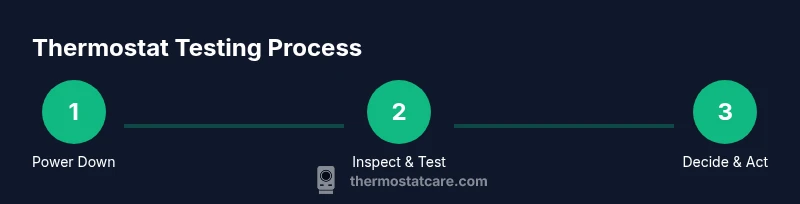
Power down and secure the geyser
Locate the main breaker for the geyser circuit and switch it to off. If you have a gas geyser, shut off the gas supply and wait until any heat dissipates. This prevents electric shock and burns while you inspect the thermostat and wiring.
Tip: Use a non-contact tester to verify zero voltage before touching any conductors. - 2
Remove access panels and expose the thermostat
Carefully remove the outer panel and the thermostat cover per the model’s instructions, using the appropriate screwdriver. Keep screws organized and note how the wires are routed before disconnecting anything.
Tip: Take a photo of the wiring layout before disconnecting wires to aid reassembly. - 3
Check thermostat setpoint against desired temperature
Compare the current setpoint to your target water temperature. If you need a warmer or cooler output, adjust accordingly, then re-check after short heat cycles.
Tip: Record the setpoint value and expected output range for future reference. - 4
Test electrical connections for continuity and voltage
With the power still off, use the multimeter to inspect terminal continuity and resistance. Then restore power briefly to check that the thermostat engages the heating element when called for heat, watching for proper switching behavior.
Tip: If you see signs of burning, corrosion, or loose screws, clean or replace the terminal connectors before retesting. - 5
Measure outlet water temperature during a heat call
Using the infrared thermometer, measure the water at the outlet as the thermostat engages. Compare readings to the setpoint range; gradual deviation across multiple tests indicates sensor drift or a failing control.
Tip: Take multiple readings at short intervals to account for thermal lag. - 6
Decide on calibration versus replacement
If readings are consistently close but not exact, calibration or minor component replacement may help. If readings are far off or wiring is damaged, replace the thermostat rather than attempting a risky DIY fix.
Tip: When calibration requires firmware or trim adjustments, consult the manufacturer documentation first.
Questions & Answers
What are common signs that a geyser thermostat is faulty?
Common signs include water that is too hot or too cold, frequent cycling, and unexpected temperature swings. If these persist after basic checks, the thermostat or sensing element may be failing and require replacement.
Look for water that’s too hot or too cold, frequent on-off cycling, or temperature swings as quick indicators of thermostat trouble.
Can I test the geyser thermostat without professional tools?
Basic checks like verifying the setpoint and inspecting visible wiring can be done safely. For electrical measurements, a digital multimeter is recommended to avoid guesswork.
You can do simple checks, but for reliable readings you should use a multimeter.
What safety steps should I take before testing?
Always power down at the breaker, ensure the unit is cool, and use insulated gloves. If you smell gas or see leaks, stop and call a professional.
Power off at the breaker and wear protective gear before you start.
What is the difference between a thermostat and a heating element in a geyser?
The thermostat controls when the heating element turns on, while the heating element converts electrical energy into heat. A faulty thermostat can misread water temperature and cause wrong heating cycles.
The thermostat decides when to heat; the element does the heating.
When should I replace a geyser thermostat?
Replace when readings are consistently inaccurate, wiring is damaged, or the unit shows abnormal cycling that calibration can’t fix.
Replace if readings are unreliable or wiring is damaged.
Is it safe to upgrade to a smarter thermostat for a geyser?
Upgrading to a compatible thermostat can improve control and energy efficiency, but ensure compatibility with your geyser’s electrical specifications and safety standards.
Upgrading can help, but check compatibility first.
Watch Video
What to Remember
- Verify setpoints align with your target temperature
- Inspect wiring and terminals for damage or looseness
- Use a multimeter and infrared thermometer for safe checks
- Calibrate if readings drift slightly; replace when readings are wrong