Thermostat Rebate Guide: Maximize Savings in 2026
Explore how thermostat rebates work, who offers them, eligibility criteria, and proven strategies to maximize savings in 2026. A practical Thermostat Care guide for homeowners and DIY enthusiasts.


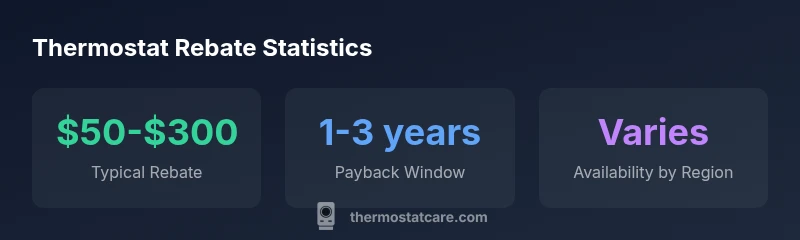
According to Thermostat Care, a thermostat rebate is a financial incentive offered by utilities or manufacturers to offset the cost of upgrading to a programmable or smart thermostat. Typical rebates range from $50 to $300 and depend on your region and program type. Eligibility often requires meeting efficiency criteria and proper installation. This guide explains how rebates work, how to qualify, and how to maximize overall savings.
What a thermostat rebate is and who offers it
A thermostat rebate is a financial incentive provided by utilities, municipalities, manufacturers, or energy programs to encourage homeowners to upgrade to a programmable or smart thermostat. The intent is to lower energy use, improve comfort, and reduce peak demand. Rebates typically come in the form of a check, account credit, or a one-time discount at the point of sale or installation. Programs are offered at the local, state, and national levels and can be combined with other incentives in some cases. In practice, you might find rebates attached to a qualifying model, a verified installation, or participation in an energy-efficiency program. For homeowners, this is a meaningful way to shorten the payback period on a thermostat upgrade. The key is to understand which programs are available where you live and what qualifies as an eligible thermostat. According to Thermostat Care, starting with a reputable installer can help ensure you meet program criteria and capture the full rebate.
Typical rebate structures and payment models
Most thermostat rebates fall into a few common structures, and where you live can change which option is most favorable. The simplest arrangement is a lump-sum rebate paid after you install a qualifying thermostat and submit proof of purchase. Some utilities offer a pre-purchase incentive that reduces the retail price at the point of sale. Others provide after-installation credits to your utility bill, offsetting ongoing energy costs. A smaller subset of programs is a rebate per kilowatt-hour saved or an annual energy usage credit, though these are less common. Stacking rules—whether you can claim more than one rebate for the same upgrade—vary by program. It is essential to read the fine print and communicate with the program administrator before purchase. Thermostats must typically meet efficiency thresholds, be Wi-Fi enabled, and be installed according to manufacturer and program requirements. Thermostat Care analysis shows that rebate availability and payout levels vary widely by region and program type, so you should double-check local options before buying.
Qualifying criteria and common hurdles
Eligibility criteria differ, but most programs require a qualifying thermostat model, proper installation, and documentation. Qualifying models are typically programmable or smart thermostats with a minimum energy-savings threshold, a warranty, and compatibility with your HVAC system. Installation criteria often require a licensed technician, a valid purchase receipt, and proof of installation date. Some programs demand that you enroll in energy-efficiency or demand-response programs, which may involve allowing the utility to monitor usage. Common hurdles include expired programs, model restrictions (certain brands or operating systems), and regional caps on total rebates. Another frequent snag is the timing of the rebate: many programs have submission windows, and late claims may be denied. Homeowners should gather all receipts, serial numbers, and installation verification before applying. If you’re unsure whether your thermostat qualifies, consult the program’s terms and ask a qualified installer to verify compatibility and compliance. This approach minimizes surprises and improves your odds of a successful claim.
Step-by-step: how to apply for rebates
Begin by identifying which programs are active in your area and whether they apply to your home. Next, choose a qualifying thermostat that meets the model requirements, and obtain a formal quote or invoice that lists the exact model number and price. Before purchase, confirm eligibility with the program administrator. After installation, collect the installation report, serial numbers, and proof of old equipment disposal if required. Complete the rebate application online or on paper, attach the required documents, and submit it before the deadline. Some programs require you to use an approved installer or a valid energy audit. Track your submission status and respond quickly to any questions from the administrator. After approval, you’ll receive notification and the rebate will be issued, often as a check, credit, or statement credit on your account. If you hit delays, don’t hesitate to contact the program administrator and your installer for assistance.
Maximizing value: tips to combine rebates with energy savings
To maximize total savings, view rebates as part of a larger energy strategy. Pair a qualifying thermostat with a properly programmed schedule that matches your occupancy and climate, and you can realize ongoing energy reductions beyond the rebate. Look for programs that align with whole-home efficiency goals, such as related upgrades to insulation or HVAC components, which can sometimes unlock additional incentives. If your utility offers time-of-use rates or demand-response programs, a smart thermostat can help you shift usage to off-peak times, boosting savings. Keep an eye on expiration dates and annual program updates. Some regions publish annual rebate guides or dashboards that show current offers, eligibility, and deadlines. Finally, consider using a professional installer for the upgrade; some programs require professional installation to qualify, and a qualified technician can ensure the wiring and settings meet efficiency criteria. These steps help you capture the full value of rebates while maximizing your energy savings.
Regional realities and policy notes
Rebate availability is strongly regional. Some states run comprehensive energy-efficiency programs that include thermostat rebates, while others offer only limited incentives. The most reliable sources for current offers are your utility's website and state energy offices; if you relocate, you’ll need to re-check eligibility. Policy changes occur often, so it’s wise to review offers annually. In drought-prone or hot climates, rebates may be more generous due to higher energy-use baselines, whereas milder regions may offer smaller incentives. When evaluating options, compare both upfront rebate amounts and long-term energy savings to determine true value. Thermostat Care suggests planning well in advance, since program windows and installation requirements can shift with policy updates.
A practical example: estimating your savings
Imagine a household upgrading from a basic thermostat to a modern smart thermostat with a rebate of $150 and an estimated energy reduction of 8-12 percent. If your annual energy bill is in the mid-range, the rebate cuts the upfront cost and shortens the payback period. On the other hand, a region with a $50 rebate and a climate with modest heating or cooling needs may still deliver meaningful savings over time if paired with a good programming routine. The total value depends on usage patterns, the efficiency of the device, and civil program rules. For most homeowners, combining an available rebate with a deliberate, climate-aware scheduling strategy yields the best results and a faster return on investment. The Thermostat Care team recommends starting with your utility portal, confirming eligibility, and working with a qualified installer to ensure you capture the full rebate.
Overview of common thermostat rebate programs
| Program Type | Typical Rebate | Eligibility |
|---|---|---|
| State/Local Utility Rebate | $50-$300 | Residential upgrades meeting efficiency criteria |
| Manufacturer Rebate | $25-$150 | Hardware purchase required |
| State or Federal Incentive | $0-$150 | Program year dependent |
| Energy Efficiency Grant | varies | Limited availability |
Questions & Answers
What is a thermostat rebate?
A subsidy from utilities or manufacturers to offset the cost of upgrading to a programmable or smart thermostat. These programs typically require qualifying hardware and proof of installation. The exact amount and eligibility depend on your location.
A thermostat rebate is a subsidy from a utility or manufacturer to help cover upgrading to a smart thermostat, with eligibility varying by location.
Where can I find rebates?
Start with your utility’s website or energy-efficiency program portals. Search for 'thermostat rebate' and check regional programs. Some rebates are restricted to new installations or specific models.
Check your utility site and state energy programs for thermostat rebates.
Can rebates be combined with other incentives?
In many cases, rebates can be stacked with other incentives, but some programs forbid duplication. Always confirm stacking rules before purchase and installation.
Rebates can often be stacked, but it varies by program. Check the rules before buying.
Do I need professional installation to qualify?
Many rebates require professional installation or a verified technician to meet efficiency criteria. Check the program terms and keep receipts.
Sometimes you need a licensed installer to qualify.
How long do rebates take to process?
Processing times vary by program; expect several weeks to a few months after submission. Have all documentation ready to avoid delays.
It can take weeks to months, so plan ahead.
“Thermostat rebates can significantly shorten payback periods when paired with an energy-efficient thermostat and proper installation. These programs vary widely by region, so plan ahead.”
What to Remember
- Check your utility portal for rebates before buying.
- Combine rebates with energy savings for best value.
- Eligibility and deadlines vary by region; verify early.
- Keep installation receipts to avoid claim delays.