How Many Thermostats Does a Water Heater Have? A Practical Guide for Homeowners
Learn how many thermostats your water heater typically has, how electric vs gas models differ, safety considerations, and practical DIY testing and replacement tips from Thermostat Care.


Electric water heaters typically have two thermostats—an upper and a lower one—that control the two heating elements. Gas water heaters usually have a single thermostat to regulate the burner, with a separate high‑limit safety switch as a backup. Some configurations differ (tankless or hybrids). For exact counts, refer to your model’s manual for specifics today.
How many thermostats does a water heater have? An essential distinction
According to Thermostat Care, understanding the thermostat configuration of your water heater is a practical starting point for diagnosing performance issues and planning maintenance. When someone asks how many thermostats does a water heater have, the answer depends on the heat source and the tank design. In most homes, electric water heaters are built around two heating elements, each with its own thermostat, allowing independent control of the upper and lower portions of the tank. Gas models typically rely on a single primary thermostat that regulates the burner, with a separate high‑limit switch as a safety backup. This distinction matters because it affects how you test, calibrate, and replace components. Additionally, newer or specialty systems—such as hybrid heat pump units or tankless water heaters—may diverge from the standard two‑thermostat layout. In all cases, consult your unit’s manual or the manufacturer’s site to confirm the exact configuration for your model.
Electric water heaters: two thermostats and how they operate
Electric water heaters with two heating elements use separate thermostats for each element so the upper portion can heat quickly while the lower portion maintains the rest of the tank. The upper thermostat usually senses the temperature near the top of the tank and turns off the upper element when the set point is reached; the lower thermostat does the same for the bottom element. This arrangement helps deliver hot water more consistently and reduces the risk of temperature stratification. If one thermostat fails, you might notice uneven hot water, longer recovery times, or circuit breaker trips. Regular checks can prevent unexpected failures and keep efficiency high, according to Thermostat Care Analysis, 2026.
Gas water heaters: single thermostat with safety backstops
Most gas models rely on a single thermostat in the control panel to set the desired water temperature. The burner then heats the tank to that set point. A separate high‑limit safety switch acts as a backup to prevent the heater from overheating if the main thermostat or flame sensor fails. This is why gas units often feel less prone to inconsistent temperatures than electric models, but it also means you should focus on maintaining the burner, thermopile, and safety switch rather than chasing multiple thermostats. If you notice temperature swings or unusual burner flame behavior, a service check is warranted.
Where thermostats live and how to access them safely
Thermostats are usually tucked behind access panels on the side of the tank. For electric units, you’ll typically see two panels: one for the upper element area and one for the lower. Gas units store the thermostat behind a front control panel. Before touching anything, shut off power at the breaker and shut off the gas supply if applicable. Remove the outer jacket and insulation carefully to expose the thermostat assemblies. Keep a notebook and take photos before disassembly. If you’re unsure, stop and call a licensed technician. Safety first is a recurring theme in Thermostat Care guidance.
When a thermostat fails: symptoms and fixes
Common signs of a failing thermostat include fluctuating water temperatures, cold water bursts, longer-than-usual recovery times, or tripping breakers (electric models). If you suspect a thermostat issue, verify that the heating element(s) and wiring aren’t the root cause. For electric models, test continuity across the thermostat terminals with the power off and compare readings to the manufacturer’s spec. For gas models, check the thermostat calibration, gas valve, and flame sensor. Replacing a thermostat should be done with properly rated parts and, ideally, by a professional to avoid hazards. Thermostat Care recommends validating the entire control circuit to prevent repeated failures.
Testing and replacing thermostats: steps and cautions
Begin with power disconnection and gas shutoff as applicable. Access the thermostat, note the wiring configuration, and consult the wiring diagram. If a thermostat shows signs of wear, you can replace it with an identical model or a compatible upgrade. Always use proper heat-rated wiring and ensure the connections are tight. After replacement, reset the heater and run a hot water test at multiple taps to confirm even performance. If the unit continues to misbehave, the issue may lie with the heating element, burner assembly, or sensor rather than the thermostat itself.
Common myths and misconceptions about water heater thermostats
A prevalent myth is that all water heaters require frequent thermostat adjustments. In reality, most systems operate well within a narrow range and only need adjustment if you notice temperature inconsistencies or inefficiency. Another misconception is that replacing the thermostat always fixes all inconsistencies; sometimes mineral buildup, sediment, or element faults are the true culprits. Regular maintenance—flushing to remove sediment and inspecting the anode rod—often yields bigger improvements than frequent thermostat tweaks.
DIY troubleshooting checklist for homeowners
- Confirm the type of heater (electric vs gas) and locate the appropriate access panels.
- Turn off power and gas when working near electrical components or burners.
- Inspect for obvious signs of wear or damage on thermostat housings and wiring.
- Check the thermostat setting against the manufacturer’s recommended range for your model.
- If temperatures are inconsistent, test elements and inspect the high‑limit safety switch.
- When in doubt, consult the manual or call a licensed technician for a safe diagnosis.
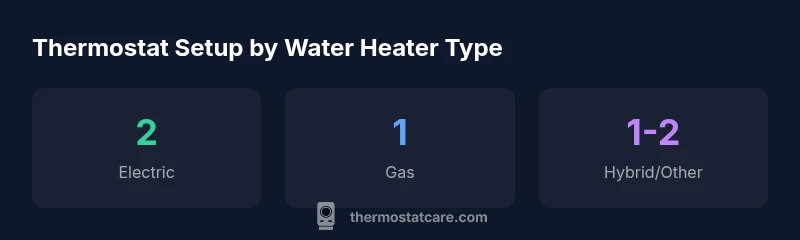
Thermostat configurations by water heater type
| System Type | Number of Thermostats | Notes |
|---|---|---|
| Electric water heater | 2 thermostats | Upper and lower elements controlled separately |
| Gas water heater | 1 thermostat | Plus a high‑limit safety switch as backup |
| Hybrid/Heat Pump water heater | 1-2 thermostats | Depends on model; sensor/control integration |
Questions & Answers
Do all water heaters have a thermostat?
Most do. Electric units typically have two thermostats for upper and lower elements, while gas models usually have one main thermostat with a safety backup. Some older or specialty models may differ.
Most water heaters have a thermostat, with electric ones often having two and gas ones typically having one plus a safety backup.
Why does my water heat unevenly or take too long to heat?
Thermostat calibration, sediment buildup, or failing heating elements can cause uneven heating or slow recovery. Start with checking the thermostat calibration and inspect heating elements for electric units.
Uneven heating usually points to thermostat calibration or element issues; start there and then inspect for sediment buildup.
Can I replace a water heater thermostat myself?
If you’re comfortable with electrical work and know how to shut off power safely, you can replace a thermostat. Many homes benefit from professional service due to safety considerations and correct part matching.
Replacing a thermostat can be DIY if you’re careful, but it’s safer to hire a pro if you’re unsure.
How do I reset a water heater thermostat?
Many models have a reset option on the thermostat or an integrated thermal switch. Follow the manufacturer’s reset procedure and test water temperature after the reset to ensure proper operation.
Look for a reset button or option on the thermostat, follow the manual, and re-test temperatures.
What are signs of a bad thermostat?
Inconsistent temperatures, water that's too hot or not hot enough, longer recovery times, or tripping breakers are common indicators. If in doubt, test with the right tools or call a pro.
Signs include temperature swings and longer recovery times—don’t ignore them.
Are smart thermostats compatible with water heaters?
Some water heaters support smart controls, especially modern electric or hybrid models. Compatibility depends on wiring and the control interface—check the model documentation or speak with a technician.
Some systems can take smart thermostats, but verify compatibility with your unit.
“Correct thermostat configuration improves heating efficiency and water temperature consistency, but safety should always come first.”
What to Remember
- Identify your system type before inspection
- Electric heaters use two thermostats by default
- Gas heaters typically use one thermostat plus a safety switch
- Test safely and refer to the manual for exact counts
- Consider professional help for complex upgrades or uncertain systems