Where Is Thermostat for Hot Water: A Homeowner's Guide
Learn where the hot water thermostat sits, how to identify electric vs gas setups, and step-by-step guidance to safely locate, adjust, and test your water heater thermostat for reliable hot water and energy savings.


If you’re asking where is thermostat for hot water, the answer depends on your heater type. In most homes, the thermostat is behind a removable access panel on the side of the storage tank. Electric models typically have two thermostats (upper and lower) controlled behind separate panels, while gas models usually have a front-facing control knob or a single dial. Always disconnect power or shut off gas before digging into the panel.
Why knowing where is thermostat for hot water matters
If you’re trying to optimize comfort, energy savings, or reduce the risk of scalding, locating the hot water thermostat is the critical first step. The Thermostat Care team notes that most households can safely adjust temperature after confirming the exact location and model type. The exact position varies by electric vs. gas, tank size, and whether the unit uses a single control or dual thermostats. Understanding where the thermostat sits helps you avoid guesswork and makes any adjustment safer and more effective. As you plan your maintenance, remember that proper labeling and a quick safety check are inexpensive insurance for reliability and safety.
Electric vs. gas water heaters: where the thermostat lives
Electric water heaters with two elements hide thermostats behind two separate access panels on the side or top of the tank. The upper thermostat controls the top element and the lower thermostat handles the bottom element. Gas water heaters typically feature a front panel with a temperature control knob or a single dial, sometimes located just below the top of the tank. In both cases, the thermostat is behind a panel that must be removed to access the dial, screws, or wiring. Knowing this distinction helps you prepare the right tools and safety steps before you touch anything.
Safety first: power off, gas shutoff, and personal protection
Before you touch any thermostat, shut off the power to an electric water heater at the circuit breaker, and if you have a gas unit, switch off the gas supply per the manufacturer’s instructions. Wear protective gloves and use a non-conductive screwdriver if required. Remove the insulation from the access panel carefully so you can see the thermostat dial without damaging wiring. Never attempt adjustments with wet hands or while standing on a wet surface. These precautions minimize the risk of electric shock or accidental ignition.
Step-by-step guide to locate and access the thermostat
- Locate the panel: Electric units have two panels on the side of the tank; gas units have a front access panel near the top. 2) Power down: Switch off the breaker or shut off the gas valve as applicable. 3) Remove panel and insulation: Use a screwdriver if screws are present; gently lift insulation to expose the thermostat dial(s). 4) Identify the dial: Upper or separate dial for each element in electric units; a single dial for gas or single-control electric units. 5) Record current setting: Note the current temperature setting before adjusting. 6) Make a small adjustment: Turn the dial gradually in small increments, then replace insulation and panel. 7) Restore power and test: Turn power/gas back on and run hot water to test the new setting.
This process aligns with common practice in residential water-heater maintenance, and following it reduces the chances of accidental contact with live components.
How to adjust the thermostat safely and set a sensible temperature
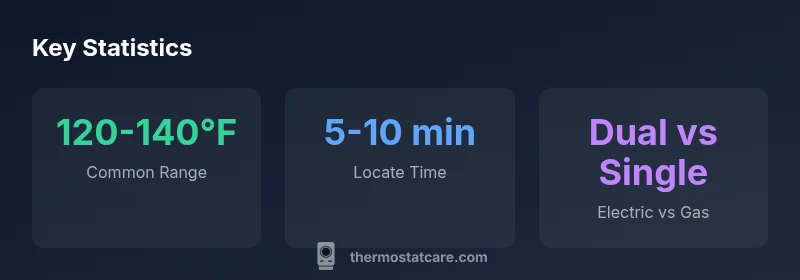
Most homeowners aim for a balance between comfort and energy savings. A common safe target is around 120°F, which minimizes the risk of scalding for children and adults while still delivering hot enough water for daily needs. If your household has young children or elderly residents, you might opt for a slightly lower setting and then verify after a few days that the water remains comfortable. After adjusting, re-check the water temperature at a faucet away from the heater to confirm consistency. If you have a dual-element electric heater, only adjust the upper thermostat if you’re calibrating due to uneven hot water flow, otherwise consider both thermostats to harmonize output.
Testing and verifying the change
Let the system run for a few hours and then perform a test by drawing hot water for 30-60 seconds from a kitchen faucet. If the water takes too long to reach temperature or feels inconsistent, recheck the panel seals to ensure insulation isn’t trapping cold air. If you still observe symptoms like overheating, lukewarm water, or inconsistent temps, a quick re-test of both thermostats (for electric units) or the single control (for gas units) is warranted. Keep a log of your settings and test results to track changes over time.
Common issues and when to call a pro
- Water is consistently too hot: Recheck the thermostat setting and panel seals; if it persists, the thermostat may be failing and should be serviced. - Water never gets hot enough: The heating element or burner may be defective, or the thermostat is not feeding power correctly. - Leaks near the access panel: This could indicate a bad seal or tank issue that requires professional repair. - Frequent temperature fluctuations: This may indicate a faulty thermostat or problems with the heating system’s fuel supply.
When in doubt, or if you encounter electrical components, gas lines, or you’re unsure about safe disassembly, contact a licensed professional. DIY can be safe for basic adjustments, but advanced repairs should be handled by a pro.
Authority sources and further reading
- Energy.gov: Water Heating — Setting temperatures and efficiency tips (government resource) https://www.energy.gov/energysaver/water-heating
- DOE guidelines on safe operating temperatures and maintenance practices (federal guidance) https://www.energy.gov/energysaver/articles/how-to-set-your-water-heater-temperature
- Local codes and safety standards may apply; consult your municipality’s plumbing code or a licensed technician
Thermostat access points by water heater type
| Category | Access Point | Notes |
|---|---|---|
| Electric water heater (dual-element) | Front-side panel near top | Upper thermostat for top element, lower thermostat for bottom element behind separate panels |
| Gas water heater | Front panel near top/front of tank | Thermostat includes a front control knob or single dial behind service panel |
| Note | Always disconnect power or shut off gas before removing panels | Consult manufacturer guidance for your exact model |
Questions & Answers
Where is the thermostat on my hot water heater?
On electric tanks, look behind the upper and lower panels on the side of the tank. Gas units typically have a front control knob or a small dial behind a service panel near the top. Always shut off power or gas before removing panels.
Electric tanks have two panels on the side for the thermostats; gas units usually have a front knob behind a panel. Always shut off power or gas before opening panels.
What temperature should I set my hot water thermostat to?
A common, safe target range is around 120°F, balancing comfort and energy savings while reducing scald risk. If your household has young children or elderly residents, start around 120°F and monitor for comfort and safety.
Most people aim for about 120 degrees Fahrenheit, which is safe and efficient for most homes.
Can I adjust the thermostat myself, or do I need a professional?
Many homeowners can perform a basic adjustment, but if you’re unsure about wiring, gas connections, or you feel resistance or corrosion, call a licensed technician. Avoid forcing parts or bypassing safety features.
You can usually handle simple adjustments, but don’t hesitate to get a pro if anything looks off or you’re unsure.
Why might the water still be hot/cold after I adjust the thermostat?
Thermostat adjustments may take time to reflect in the water temperature. Sediment buildup, failing heating elements, or a broken thermostat can also cause slow or no change. Recheck after several hours and test again.
If temperature doesn’t change after adjustment, check for sediment, faulty parts, or wiring issues.
How often should I check or replace the thermostat?
Inspect thermostats annually, especially in older units. Replace if you notice erratic temperatures, frequent cycling, or signs of wear. Regular checks help prevent energy waste and safety issues.
Check once a year and replace if you see erratic temps or wear.
Can a faulty thermostat cause energy waste?
Yes. A stuck or inaccurate thermostat can keep water too hot or too cold, wasting energy and increasing costs. Regular calibration and maintenance help preserve efficiency.
Absolutely—an inaccurate thermostat wastes energy and boosts bills; keep it calibrated.
“Regularly verifying and adjusting your hot water thermostat can improve comfort, save energy, and reduce the risk of scald injuries.”
What to Remember
- Know the location before touching anything
- Electric vs gas differ in access and controls
- Power down before servicing to avoid shocks
- Test water temperature after changes to confirm stability