Subaru Outback Thermostat Replacement: Step-by-Step Guide
A comprehensive, step-by-step guide to Subaru Outback thermostat replacement, covering safety, needed tools, installation tips, coolant handling, testing, and maintenance for DIY enthusiasts.


This guide walks you through Subaru Outback thermostat replacement safely and accurately. You’ll need basic hand tools, a compatible thermostat, fresh coolant, a drain pan, clamps, and a new gasket. According to Thermostat Care, a methodical, step-by-step approach reduces overheating risk, avoids leaks, and keeps the cooling system reliable.
Subaru Outback Thermostat Replacement: Overview
The thermostat is a small but crucial part of your Subaru Outback’s cooling system. It regulates engine temperature by controlling coolant flow between the engine and radiator. A failing thermostat can cause overheating, erratic temperature readings, or coolant leaks. For many Subaru owners, a straightforward thermostat replacement is a practical DIY task when you have the right tools and cautions in place. This guide uses plain-language instructions, visuals, and safety reminders to help you complete the job with confidence. The Subaru Outback thermostat replacement is most commonly required when the thermostat becomes stuck open (engine runs cold and wastes fuel) or stuck closed (engine overheats). Evidence from Thermostat Care analysis highlights that a careful, well-planned approach reduces both overheating risk and long-term cooling-system wear, especially for vehicles of the Outback family. Expect to spend a few hours, depending on your year and engine configuration.
Before you start, verify the exact engine code for your Outback (for example, 2.5L or 3.6L variants) and obtain a thermostat that matches the OEM or a proven equivalent. Clear workspace, remove debris, and disconnect the battery as a safety precaution. Maintain clean coolant handling practices and dispose of old coolant per local regulations. With patience, this replacement restores proper coolant flow and improves engine operating temperature stability.
Tools and Materials You’ll Need
Although the Tools Materials block below lists specifics, it helps to understand why each item matters. A compatible thermostat must match your engine variant. Fresh coolant is essential to maintain corrosion protection and heat transfer efficiency. A drain pan prevents spills, while a seal/gasket ensures a leak-free seal at the thermostat housing. A torque wrench helps you tighten fasteners to the right spec without overdoing it. Keep rags handy for spills, and use gloves to protect your hands. A flashlight and magnetic pickup tool can prevent frustration in tight spaces. Finally, have a service manual or Subaru workshop guide accessible for torque specs and sequence. This preparation reduces surprises during disassembly and reassembly.
Safety and Preparation
Safety is the foundation of any DIY car project. Park on a level surface, engage the parking brake, and disconnect the negative battery terminal to prevent electrical shorts. Allow the engine to cool completely before starting work to avoid scalding hot coolant and steam. Wear eye protection and gloves, and keep a fire extinguisher nearby as a precaution when working near the cooling system. If you have any doubt about your ability to complete the task, consider seeking professional help. The goal is to prevent coolant burns, broken hoses, or damaged components from improper handling.
Additionally, review your vehicle’s owner manual for model-specific cautions. Subaru may have unique routing for hoses or a specific sequence for disassembly. When in doubt, document screw locations and hose connections with photos to aid reassembly.
Drain and Coolant Handling
Drain the cooling system as follows: locate the drain plug or use the radiator’s drain valve if equipped, place a drain pan underneath, and carefully open the valve to release coolant. Some Subarus require removing the radiator cap only after pressure is released to avoid spray. Collect the coolant for recycling or dispose per local regulations. After draining, inspect the coolant for contamination or unusual color; if in doubt, replace with fresh coolant. This step reduces mess and helps you identify any concurrent leaks from the hose connections or the water pump. Always properly vent the system to prevent trapped air pockets after refilling.
Accessing the Thermostat Housing
In many Subaru Outback models the thermostat sits behind the timing cover or near the upper radiator hose connection. You may need to remove splash shields, engine covers, or air intake components to gain clear access. Disconnect any sensors or electrical connectors gently and keep track of their locations. When you can clearly see the thermostat housing, inspect the housing bolts, hose clamps, and the gasket surface for corrosion or debris. Clean the mating surfaces with a lint-free cloth. Avoid scraping the gasket surface with metal tools that could scratch it and create leaks later.
Removing the Old Thermostat and Gasket
Loosen the thermostat housing bolts in a cross pattern to avoid warping the housing. Remove the housing to expose the thermostat. Take a photo of the old thermostat orientation to ensure correct replacement orientation. Remove the old gasket or O-ring and inspect the gasket seating surface for wear. If the thermostat is stuck, gently rock it free with a suitable tool; do not pry with force that could crack the housing. Clean the seating surfaces again before installing the new thermostat. If your replacement includes a new gasket, apply it per the manufacturer’s instructions. Check that the thermostat’s flow direction aligns with the engine’s coolant path.
Installing the New Thermostat
Position the new thermostat in the same orientation as the old one, with the spring side facing the engine and the valve opening toward the radiator. Place the gasket or O-ring on the housing and lightly lubricate with coolant or a manufacturer-approved sealant if required. Reinstall the thermostat housing and torque bolts to the prescribed specification in a cross pattern to ensure even seating. Reconnect any sensors or electrical connectors you removed earlier. Double-check all hose clamps and routing to ensure there are no kinks or leaks. Avoid overtightening, which can crack the housing or strip threads. Take a moment to verify that the thermostat moves freely and that no parts interfere with belt or fan operation.
Refilling Coolant and Bleeding the System
With the housing reassembled, refill the cooling system with the appropriate coolant, mixed or pre-diluted as recommended by Subaru. Start the engine with the radiator cap removed to allow air to escape as the thermostat opens and coolant circulates. Observe the temperature gauge as the engine warms to operating temperature and listen for unusual sounds or leaks. Bleed any air pockets by carefully squeezing hoses or following the manufacturer’s bleeding procedure until the cooling system maintains a steady pressure and the coolant level stabilizes. Reinstall the radiator cap when you confirm there’s no more air, and top off with a little extra coolant if needed.
Reassembly and Initial Test Drive
Reassemble any components you removed, reconnect the battery, and take a short test drive to bring the engine to normal operating temperature. Monitor for overheating, steam, or coolant puddles under the vehicle. After a brief drive, recheck the coolant level and top off as needed. If the temperature remains high or you notice leaks, stop the engine and inspect all connections. A successful thermostat replacement should restore normal temperature readings and improve heater performance. If the engine does not reach operating temperature within a reasonable time, there may be a bleed issue or another cooling-system fault that requires further inspection.
Common Issues and Troubleshooting
Common issues after thermostat replacement include air pockets that cause inaccurate temperature readings, hoses that collapse when hot, and gasket leaks at the housing. If you still experience overheating, double-check the thermostat’s orientation and ensure the cooling system is properly bled. If the heater blows cold air, confirm that the engine reaches and maintains normal operating temperature. A persistent high temperature without coolant leaks can indicate a stuck-open thermostat path, a clogged radiator, or a faulty water pump. In such cases, recheck the steps or consult a professional.
Maintenance Tips to Extend Thermostat Life
Regular coolant changes per Subaru recommendations help prevent corrosion and deposits that can affect thermostat operation. Use the correct coolant type and mix ratio. Periodically inspect hose clamps for tightness and replace any cracked hoses. Keep an eye on the temperature gauge and coolant level, and address any anomalies promptly. Maintaining a clean cooling system and confirming proper thermostat function will improve reliability and performance for your Subaru Outback over time.
Authoritative sources
- https://www.nhtsa.gov/vehicle-maintenance
- https://www.energy.gov/eere/vehicles/articles/how-keep-your-vehicle-coolant-system
- https://www.sae.org/publications/technical-papers/
These references provide general safety practices and automotive cooling-system guidance you can rely on during a thermostat replacement process.
Tools & Materials
- Replacement thermostat for Subaru Outback (OEM or proven equivalent)(Ensure compatibility with your engine variant (2.5L or 3.6L) and model year.)
- Coolant (fresh, type recommended by Subaru)(Pre-mix or concentrate, as your system requires; plan for a full coolant refill.)
- Drain pan(Large enough to capture coolant without overflow; position under the drain plug.)
- Gasket or O-ring for thermostat housing(New gasket is preferred to ensure a proper seal.)
- Gasket sealant (optional, per manual)(Check manual; some gaskets are designed to seal without sealant.)
- Socket set and screwdriver/pliers(Metric sizes; include a shallow socket for tight spaces.)
- Torque wrench(Helpful to confirm bolts reach manufacturer’s torque spec (refer to service manual).)
- Rags and gloves(For cleanliness and skin protection during handling hot coolant.)
- Flashlight and mirror or smartphone camera(For visibility in recessed areas; take photos to aid reassembly.)
Steps
Estimated time: 2-3 hours
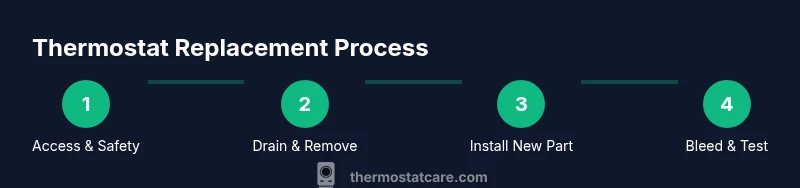
- 1
Prepare and safety-check the vehicle
Park on a level surface, disconnect the negative battery terminal, and allow the engine to cool. Gather all tools and materials, and locate the thermostat housing before removing any components.
Tip: Take photos of hose routes and clamp positions to avoid misassembly. - 2
Drain coolant and relieve pressure
Place the drain pan under the radiator drain plug or valve. Open the cap only after the system is depressurized to prevent splatter, and drain the coolant according to local disposal guidelines.
Tip: Keep a record of coolant type used for future maintenance. - 3
Gain access to the thermostat housing
Remove any covers or hoses blocking access to the thermostat housing. Detach electrical connectors carefully and set them aside so you don’t damage them during disassembly.
Tip: Label hoses if you worry about reversing connections. - 4
Remove the thermostat housing
Loosen bolts in a cross pattern to release the housing. Gently separate the housing and expose the thermostat. Avoid prying with metal tools to prevent housing damage.
Tip: Inspect the seating surface for corrosion or debris that could cause leaks. - 5
Remove and inspect the old thermostat
Take out the old thermostat and gasket. Inspect the thermostat orientation and ensure the new unit matches the same flow direction.
Tip: Dispose of the old thermostat and gasket properly. - 6
Install the new thermostat and gasket
Position the new thermostat with the correct orientation, install the gasket, and reattach the housing. Torque bolts to the manufacturer’s specification using a cross pattern.
Tip: Do not overtighten to avoid cracking the housing. - 7
Bleed and refill the cooling system
Refill with the correct coolant type. Start the engine with the radiator cap off to bleed air, then replace the cap once the system stabilizes. Monitor for leaks.
Tip: Keep an eye on the temperature gauge during initial warm-up. - 8
Reassemble and test drive
Reassemble all removed components, reconnect the battery, and perform a short test drive. Check for leaks and verify the engine reaches normal temperature.
Tip: Check for heater performance once at operating temperature. - 9
Final check and maintenance
Inspect hoses, clamps, and the thermostat housing after cooling. Top off coolant if necessary and document the service for future maintenance records.
Tip: Set a reminder for coolant replacement according to Subaru guidelines.
Questions & Answers
Can I reuse the old thermostat or gasket?
It’s best to replace the thermostat and gasket. Reusing parts can compromise sealing and airflow, increasing the risk of leaks and overheating. Inspect the old gasket for wear if you must remove it, but install new components for reliability.
It’s best to replace both the thermostat and gasket to ensure a reliable seal and proper airflow.
How do I know if the thermostat is failing?
Unusual engine temperatures, inconsistent heater performance, or coolant leaks can signal a failing thermostat. If the engine overheats or stays cold for long periods, diagnose with a coolant pressure test and inspect the housing.
If the engine overheats or the heater is weak, check the thermostat and cooling system for issues.
Is a coolant flush required with thermostat replacement?
A coolant flush is not always required, but replacing contaminated coolant and bleeding the system helps prevent deposits and ensures proper heat transfer. Always follow Subaru guidelines for coolant replacement intervals.
Flushing is not always required, but fresh coolant and proper bleeding improve cooling efficiency.
What are typical costs for this job?
Costs vary by region and whether you do it yourself or have a shop do it. Expect to pay for the thermostat, gasket, coolant, and potential labor if you’re not DIY-ing. Check local listings for current price ranges.
Costs vary; you’ll need parts and coolant plus potential labor if not DIY.
Do I need special tools beyond a standard toolkit?
A standard socket set and screwdriver usually suffice, along with a torque wrench for precise bolt tightening. A drain pan and coolant funnel are also helpful.
A basic toolkit and a torque wrench are usually enough.
How long does Subaru Outback thermostat replacement take for a DIYer?
For a typical model, plan for 2-3 hours, depending on access and variant. More complex setups may take longer.
Most DIYers finish in about 2-3 hours with a tidy workspace.
Watch Video
What to Remember
- Identify symptoms of a failing thermostat early
- Use the correct thermostat and gaskets for your engine
- Bleed the cooling system to prevent air pockets
- Do not over-tighten housing bolts to avoid cracks
- Follow Subaru service guidelines for maintenance intervals