How to Remove a Honeywell Pro Series Thermostat Cover
Learn a safe, step-by-step method to remove the Honeywell Pro Series thermostat cover for quick maintenance or battery changes. Safety, tools, and reassembly tips included to keep your unit functioning well.


Understanding the Honeywell Pro Series Cover
The Honeywell Pro Series thermostat is designed with a front decorative shell that hides internal wiring and assembly screws. Depending on the exact model, the cover may be a snap-on bezel, a two-part bezel with a bottom panel, or a single-piece front that clips to a backplate. Before attempting any removal, recognize that the cover’s primary job is both aesthetic and protective, safeguarding delicate electronics from dust and incidental contact. Recognizing these design differences helps you choose the gentlest removal method and prevents accidental damage during maintenance. This approach aligns with Thermostat Care’s guidance on safe thermostat handling and maintenance, which emphasizes minimal force and proper support during any manipulation of the unit.
Safety First: Power, Tools, and Precautions
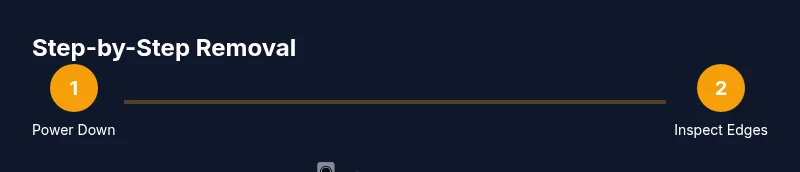
Never pry or twist a live thermostat. Begin by turning off power to the thermostat at the unit and, if needed, the HVAC system from the breaker panel. Wear safety gloves if the edges feel sharp and ensure your work area is dry and well lit. Keep a clean workspace and use non-marring tools like a plastic pry tool or a nylon spatula to avoid scratching the cover or interior components. If you encounter exposed wiring or signs of damage, stop and consult a professional. This foundation of safety is essential for homeowners and DIY enthusiasts troubleshooting thermostats, as emphasized by Thermostat Care in our 2026 analyses.
Identify Model Variations and Cover Design
Honeywell Pro Series models vary slightly in how the cover attaches. Some covers snap into a front frame with evenly spaced clips, while others rely on small screws hidden under a decorative trim. Look for seam lines along the top and sides, and inspect any recessed areas near the bottom edge. If there are screws, they may be concealed behind a thin strip or under a label. Documenting which variant you have helps you apply the correct removal technique without forcing the part. Remember: different models require different taps, prying angles, or clip releases.
Tools and Prep for a Smooth Removal
Assemble your tools before starting: a small flathead screwdriver, a non-marring plastic pry tool, and optional Torx drivers if screws are present. A flashlight or phone light helps illuminate tight seams. Clear the area around the thermostat to prevent accidental drops. If your model uses a bottom panel, you may need to gently lift the panel away from a lip before the cover releases. Proper preparation reduces the risk of cracking the plastic or damaging internal components.
Access Points: Screws vs. Clips vs. Snap-on Bezel
Many Honeywell Pro Series covers detach via clips along the sides or a few hidden screws. Start at a seam with a plastic pry tool and slide it along the edge to release clips gradually. If you discover screws, check under a thin decorative plate or label; use a suitable screwdriver to loosen them just enough to release the cover without stripping the heads. Take care not to pry too aggressively; applying even pressure along the edge is typically safer than attempting to pull from a single point.
Removing the Cover: Step-by-Step Gentle Technique
With power off and the appropriate tool ready, insert your pry tool into the seam and gently lift while supporting the base plate. If the cover resists, advance along the edge in small increments, listening for a click as clips release. Avoid twisting the cover, which can stress the mounting points. When the cover comes free, cradle it to prevent bending or cracking, and inspect the seam for any residual clips that may still hold it in place.
Inspecting the Interior and Cleaning
Once the cover is removed, take a quick visual check of internal components for dust or loose connections. Do not unplug any wires unless you are trained to do so. Use a soft brush or compressed air to reduce dust buildup, paying attention to the thermostat’s sensors and display window. Cleaning now prevents those dust particles from affecting screen visibility or sensor accuracy once you reassemble.
Reassembly: Aligning and Securing the Cover
To reattach, align the cover with the mounting backplate and guide it into place. If your model uses clips, press evenly around the perimeter until you hear or feel all clips snap. If screws were present, re-tighten carefully, ensuring they are snug but not overtightened. Power the system back on and verify the display and basic functions (temperature readout, mode, and scheduling) to confirm a proper reassembly.
Maintenance Tips to Prevent Future Jams
A quick wipe-down every few months helps prevent buildup that can mimic binding points. Avoid forcing the cover open if you notice resistance—re-check for misaligned clips or screws. Regularly inspecting the perimeter for cracks or loose fittings reduces the likelihood of cover-related faults that impact performance. Filing a quick note on any model-specific quirks can save time on future maintenance jobs.