How to Bypass a Thermostat: Safe Alternatives and Troubleshooting
Learn why bypassing a thermostat is unsafe and explore safe troubleshooting steps, diagnostics, and when to call a professional for HVAC issues. This guide emphasizes safety and proper diagnosis over risky workarounds.


Bypassing a thermostat is dangerous and not recommended. This guide explains why bypassing a thermostat is unsafe, and it outlines safer troubleshooting options: diagnose faults, test wiring, and know when to call a licensed HVAC technician for safe, compliant solutions.
Why bypassing a thermostat is dangerous
According to Thermostat Care, bypassing a thermostat is unsafe and can void warranties, increase the risk of fire, and elevate the chance of carbon monoxide exposure in gas-fired systems. The idea of a quick workaround might seem appealing, but modern HVAC equipment relies on safety interlocks, proper sequencing, and control logic to prevent hazardous conditions. If you’re actively seeking how to bypass a thermostat, pause and consider the potential consequences: uncontrolled heat, fuel misfires, or failed safety shutoffs. This is not a trivial DIY tweak; it involves serious risks to people and property. Safer troubleshooting paths protect your home while you diagnose the underlying problem.
Key takeaway: safety should guide every decision when dealing with heating and cooling systems, and bypassing is rarely, if ever, the right answer.
Safer alternatives to bypassing a thermostat
Rather than pursuing how to bypass a thermostat, focus on reliable, legally compliant steps. Start with confirming that the thermostat, wiring, and furnace are compatible and properly configured. Swap in a known-good thermostat if the current unit seems faulty, ensuring you follow manufacturer instructions. If you suspect a faulty wire, inspect and test for continuity using appropriate tools. For many homes, a missed C-wire or loose R-wire can mimic thermostat problems without any bypass. Always choose safe, approved procedures that preserve equipment safety and energy efficiency. Thermostat Care recommends adhering to the manufacturer’s guidelines and seeking professional input when in doubt.
Why this approach works: it isolates the root cause without bypassing crucial safety controls, reducing risk while restoring reliable operation.
How to safely diagnose thermostat faults (without bypassing)
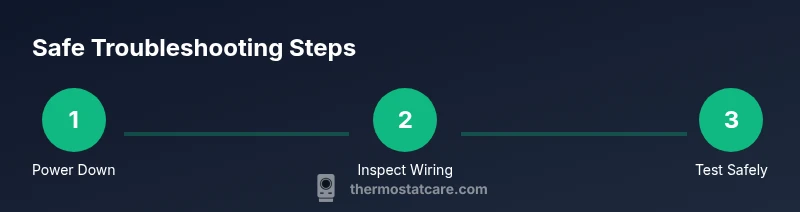
Begin by powering down the system at the breaker before touching any wiring. Remove the thermostat cover and visually inspect for loose or burnt-looking connections. Use a multimeter to verify that the thermostat is receiving power and that the supply wires are within normal voltage ranges. Check that the R and C wires are connected properly and that the thermostat’s internal battery (if it has one) is healthy. If readings look off, re-seat connections or replace damaged wires with the system powered off. Document any changes and avoid physical force that could damage terminals. This careful diagnostic work often reveals problems without compromising safety.
Tools and checks you can use before replacing the thermostat
Before you consider replacement, ensure the following checks are completed: confirm power is off, inspect for corrosion at terminals, evaluate the furnace control board for error codes, and test the thermostat’s relay switch using manufacturer guidelines. If you notice unfamiliar codes or persistent misbehavior after checks, it’s time to consult a professional. By focusing on safety-first diagnostics, you minimize risk and avoid unnecessary replacement costs. Remember, the goal is stability and safety, not a quick bypass.
What to know about safety and carbon monoxide risks
Gas-fired furnaces rely on precise sequence controls, and bypassing a thermostat can disable critical safety interlocks. Carbon monoxide is colorless and odorless, making it especially dangerous in systems where control logic has been bypassed or tampered with. If you have any doubt about the safety of your setup, do not attempt fixes that alter control pathways. The safest path is shut down, call a licensed HVAC technician, and have the system tested for leaks, proper venting, and safe operation before restoring any temperature control changes.
Common myths about bypassing thermostats
A frequent myth is that bypassing a thermostat is a quick fix for cold rooms or short cycling. In reality, bypassing often hides symptoms rather than addressing root causes like faulty thermostats, wiring problems, or malfunctioning furnaces. Another myth is that a temporary manual override is harmless; however, many override methods bypass safety features that protect residents. Debunking these myths helps homeowners avoid dangerous shortcuts and pursue responsible troubleshooting instead.
When to replace the thermostat or call a professional
If diagnostic checks indicate a defective thermostat, age-related wear, or wiring problems that you cannot safely resolve, replacement is advisable. A professional can verify compatibility with your HVAC system, ensure proper wiring and voltage, and confirm safety interlocks are intact. Investing in a properly installed, code-compliant thermostat not only improves safety but also enhances energy efficiency and comfort. The Thermostat Care team recommends professional assessment when there is any risk to safety or uncertainty about system integrity.
Tools & Materials
- Multimeter(Voltage testing and continuity checks)
- Non-contact voltage tester(Quick live-wire verification)
- Screwdriver set (Phillips + flathead)(Thermostat cover and terminals)
- Wire stripper/cusher or scissor(Trim and reseat wires safely)
- Electrical tape and wire caps(Secure connections after testing)
- Manufacturer-approved thermostat (as a replacement)(Use only with correct compatibility)
Steps
Estimated time: 60-90 minutes
- 1
Power down the HVAC system
Locate the main breaker for the furnace/air handler and switch it off. This prevents electrical shock while you inspect wiring and covers. Verify the power is off with a non-contact tester before touching any components.
Tip: Label the switch or breaker to remind others not to restore power during diagnostics. - 2
Open the thermostat cover and inspect wiring
Carefully remove the thermostat plate and look for loose, burnt, or corroded wires at the terminals. Do not yank wires; loosen screws just enough to reseat and re-tighten. Take a photo for reference before making changes.
Tip: If any conductor is damaged, plan to replace that section rather than forcing a fix. - 3
Verify power and identify R/C wires
With power still off, use a multimeter to confirm there is no voltage and then reconnect power to test for proper voltage at the R and C terminals. Confirm the thermostat receives 24V or the system-specific supply.
Tip: Document wire colors and positions to avoid mix-ups during reassembly. - 4
Check the furnace control board and safety circuits
Inspect for error codes or tripped safety switches. If you see fault indicators, refer to your furnace manual. Do not bypass interlocks; focus on correcting the root cause.
Tip: If a safety switch is involved, do not bypass it—fix the underlying issue instead. - 5
Test with a known-good thermostat (if available)
If you have a compatible spare thermostat, install it following the manufacturer’s wiring diagram to determine if the issue lies with the original unit or the system.
Tip: Only use a thermostat that matches your system’s voltage and wiring requirements. - 6
Reassemble and perform a cautious test
Secure all covers, re-energize the system at the breaker, and observe normal operation. If the issue reappears, power down and seek professional service rather than attempting further fixes.
Tip: Document any abnormal behavior and codes to share with the technician.
Questions & Answers
Is it safe to bypass a thermostat to fix a heating problem?
No. Bypassing a thermostat can circumvent essential safety features and create risks of fire or carbon monoxide exposure. Safe troubleshooting and professional guidance are recommended.
No, bypassing a thermostat is unsafe and should be avoided. Seek safe troubleshooting steps or professional help instead.
What are safer alternatives to bypassing a thermostat?
Focus on diagnosing the fault, testing wiring, and replacing faulty components with manufacturer-approved parts. If unsure, consult a licensed HVAC technician for a proper assessment.
Safer alternatives include diagnosing faults, testing wiring, and replacing components with approved parts, or calling a professional.
Can I temporarily override a thermostat safely?
Only if your equipment and manufacturer allow it and you follow all safety guidelines. Do not bypass interlocks or safety controls.
Only if the manufacturer allows it and you follow safety guidelines; never bypass safety controls.
What signs indicate my thermostat might be failing?
Inaccurate readings, unresponsive controls, erratic temperature changes, or display errors can signal thermostat issues. Verify wiring and power before replacing.
Common signs are inaccuracy, unresponsiveness, and display errors; check wiring and power first.
Should I replace an old thermostat?
If it’s outdated or malfunctioning, replacement is often the best option. Ensure compatibility with your HVAC system and proper installation.
If it’s old or faulty, replacing it is usually best; ensure compatibility and proper installation.
Watch Video
What to Remember
- Identify risks before attempting any workaround.
- Prefer safe diagnostics over any bypass attempt.
- Use compatible replacement parts and manufacturers’ instructions.
- Call a licensed HVAC technician when in doubt.