How to Fit a Thermostatic Shower Valve: A Homeowner's Guide
A practical, step-by-step guide for fitting a thermostatic shower valve, including tools, safety checks, testing, troubleshooting, and calibration tips for homeowners.


This guide shows you how to fit a thermostatic shower valve in a few clear steps. You’ll need basic tools, a new valve compatible with your shower, pipe thread sealant, and plumber’s tape. Expect 60-75 minutes depending on your plumbing setup. Safety: shut off water, depressurize lines, and test for leaks before finishing.
How thermostatic shower valves work
Thermostatic shower valves are designed to maintain a steady outlet temperature, protecting you from sudden hot or cold shifts even if the upstream hot water supply fluctuates. They use a thermostatic element that expands or contracts with temperature changes to adjust the mix of hot and cold water automatically. Compared with standard mixing valves, thermostatic models offer superior comfort and safety, particularly for households with children, elderly residents, or aggressive hot-water sources. According to Thermostat Care, a properly selected valve should have a maximum temperature setting, a minimum flow requirement, and compatibility with your shower fittings. Understanding these components helps you choose the right valve and install it correctly so you avoid scorching water and leaks in the coming years.
Planning for compatibility and code considerations
Before you buy and install a thermostatic valve, assess your shower’s plumbing layout and pipe material. Most residential valves use 1/2 inch supply lines and standard 15–20 mm or 1/2 inch fittings, but compatibility varies by model. Check that the valve body matches your rough-in size, that the cartridge orientation fits your shower’s valve body, and that the trim kit is compatible with the valve. Local codes may require anti-scald protection and specific installation clearances, so consult your local plumbing code or a licensed professional if you’re unsure. Thermostat Care analysis shows that following a standardized install process minimizes leaks and temperature instability over time, especially on older homes.
Safety prerequisites and workspace setup
Safety comes first. Shut off the main cold and hot water supplies to the bathroom and drain the lines to relieve pressure before you touch pipes. Place a bucket and towels to catch residual water. Ensure you have adequate lighting and enough working space to access the valve behind the trim. If you detect corroded fittings, a leak, or signs of mold, address those issues before proceeding. Wearing eye protection and gloves reduces the risk of injury when handling sharp edges or hot components. A clean, organized workspace lowers the chance of losing small parts in the wall cavity. Thermostat Care recommends planning for extra time if you’re working in a tight space or without a proper access panel.
Valve types and compatibility considerations
There are several valve bodies on the market, including whole-valve assemblies and cartridge-based systems. Some models are designed for residential showers with standard tub-spout configurations, while others support wall-mount configurations with hidden mounting. Verify the wall thickness, the distance between inlets, and the orientation of hot and cold ports. If you’re replacing an existing valve, note how the old unit was connected and take pictures for reference. Matching the valve type to your shower’s rough-in and trim kit helps prevent misalignment, leaks, and calibration issues. The Thermostat Care team notes that mismatched components are a leading cause of early valve failure, so take measurements carefully and double-check compatibility before tightening fittings.
Common installation challenges and how to address them
Tight spaces and limited access are the most common headaches. In older homes, you may encounter copper or galvanized pipes that require different fittings or adapters. If you encounter stubborn fittings that refuse to thread properly, stop and reassess rather than forcing connections. Cross-threaded fittings create leaks and weaken the valve’s seal. Water pressure fluctuations can also affect calibration; if the supply pressure is outside the valve’s intended range, you may need a pressure regulator or a different model. Remember to keep all threads clean and use PTFE tape on metal-to-metal threads, applying several wraps in the direction of tightening to avoid loosening. When replacing a valve, it’s often easier to temporarily cap the lines for testing before final installation and trim reassembly.
Testing, calibration, and starting up after install
Once the valve is securely in place, reattach the trim and gradually restore water supply. Start with a low maximum temperature and slowly increase to ensure the safety stop works as intended. Check for steady flow at both hot and cold settings and observe for any leaks around fittings or the valve body. If the valve’s temperature seems off, recalibrate the thermostat control by following the manufacturer’s adjustment procedure. Run the shower for several minutes to confirm consistent performance across the full temperature range. Thermostat Care emphasizes the importance of a final test with a running shower to catch any subtle issues before daily use.
Maintenance tips for long-term reliability
Regular maintenance extends the life of your thermostatic valve. Periodically inspect for leaks, replace worn seals, and keep the trim free of mineral buildup by gently cleaning with a mild solution. If you notice temperature drift or reduced performance, consider recalibrating or replacing the cartridge as recommended by the manufacturer. Flush the system occasionally to remove sediment from the hot-water line, and ensure the water heater is delivering stable temperature to prevent downstream fluctuations. A proactive maintenance routine reduces emergency repairs and protects your plumbing investment. Thermostat Care’s guidance suggests documenting service dates and keeping spare O-rings and cartridges on hand for quicker fixes.
Tools & Materials
- Adjustable wrench(Adjustable 6-12 inch to fit valve nuts and fittings)
- Pipe wrench(Use for stubborn fittings if needed)
- Screwdrivers (Phillips and flat-head)(For trim and escutcheon screws)
- PTFE tape (plumber’s tape)(Wrap clockwise around threaded connections to seal)
- Thread sealant/pipe dope(Only if prescribed by valve manufacturer)
- Replacement thermostatic shower valve(Ensure model matches rough-in and trim kit)
- Bucket and towels(Catch water and keep area dry during work)
- Rags or lint-free cloths(Clean surfaces before installation)
- Silicone sealant(Optional for trim plate edge sealing)
- Sheet or drop cloth(Protect surrounding surfaces)
- Safety glasses and gloves(Personal protective equipment)
Steps
Estimated time: 60-120 minutes
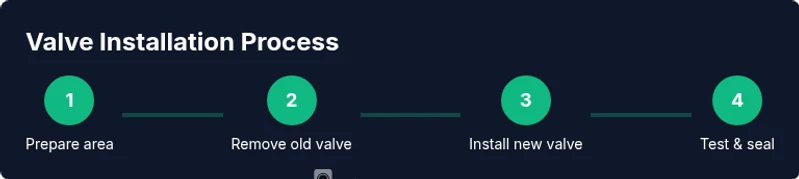
- 1
Power down and prepare the work area
Shut off both hot and cold water supplies to the bathroom, then drain the lines. Remove the decorative trim to access the valve body. Keep screws organized and take photos of the existing connections for reference.
Tip: Take clear photos from multiple angles before disconnecting anything so you can reassemble correctly. - 2
Remove old valve and assess rough-in
Carefully detach the old valve and inspect the rough-in for corrosion or damage. Clean the mounting surface and remove any old sealant or debris. If the rough-in is damaged, plan to repair or replace the surrounding wall material.
Tip: Do not force fittings; if a component won’t budge, pause and reassess instead of risking damage. - 3
Install the new thermostatic valve body
Position the valve so the hot and cold ports align with your supply lines. Secure the body with mounting hardware and ensure it sits squarely. If the model requires a specific orientation for the temperature control, follow the manufacturer’s diagram.
Tip: Double-check orientation before tightening—reversing ports creates calibration issues later. - 4
Connect hot and cold supply lines
Apply PTFE tape to male threads and tighten cold and hot supply lines by hand, then snug with a wrench. Avoid over-tightening to prevent stripping threads. If you’re installing adapters, use the correct fittings recommended by the valve manufacturer.
Tip: Snug, not jammed—over-tightening can crack fittings and cause leaks. - 5
Install the cartridge and set the temperature limit
Insert the thermostatic cartridge per the manufacturer’s instructions and set the maximum temperature limit. Ensure the stop prevents scalding and test that the control responds smoothly to changes in mix. Replace any seals or O-rings as needed.
Tip: Set the maximum temperature to a safe level (e.g., around 120°F/49°C) and verify with an initial test shower. - 6
Reattach trim and perform initial tests
Reinstall the trim plate and escutcheon, then slowly restore water. Check all joints for leaks, and verify stable operation across the full range. If temperature drift occurs, recalibrate or reseat the cartridge.
Tip: Run the shower with a bowl to collect water and observe leaks for a few minutes. - 7
Final check and documentation
Do a final inspection for leaks after 24 hours and record the service date. Keep spare cartridges and O-rings on hand. If issues persist, consult a licensed plumber or the valve manufacturer’s support line.
Tip: Having a quick-reference checklist helps ensure you don’t miss any steps in future maintenance.
Questions & Answers
Do I need a professional plumber to fit a thermostatic shower valve?
Not always. If you’re comfortable with basic plumbing, you can install a thermostatic valve yourself by following the manufacturer’s instructions. However, if you encounter significant pipe work, structural work, or fear heating water lines, hire a licensed plumber.
You can do it yourself if you’re comfortable with basic plumbing; otherwise, it’s wise to hire a professional.
Will this valve fit my existing plumbing rough-in?
Most thermostatic valves fit standard 1/2 inch supply lines and common rough-ins, but always verify the model’s inlet/outlet sizes and mounting pattern. If your rough-in differs, you may need adapters or a different valve model.
Check the model’s specs against your rough-in measurements before buying.
What safety features should I look for in a thermostatic valve?
Look for a built-in maximum temperature stop, anti-scald protection, and reliable cartridge seals. These features help prevent sudden temperature spikes and leaks during use.
Choose a valve with a clear temperature limit stop and quality seals.
How do I calibrate the temperature correctly after installation?
Start with a lower temperature setting, then gradually increase while testing the flow. Use a thermometer at the shower outlet to verify the actual temperature aligns with the control dial.
Begin with a conservative setting and test until you reach a comfortable temp.
Can I reuse the old trim plate with a new valve?
It depends on the trim plate’s fit with the new valve. Some trims are universal, others require a specific mount. Check compatibility before reusing a trim kit.
It’s best to use the trim kit designed for the new valve to ensure proper fit and leaks prevention.
Watch Video
What to Remember
- Plan for space and compatibility before starting
- Use the manufacturer’s orientation guide for valve install
- Calibrate temperature and test for leaks before completing trim
- Keep spare O-rings and cartridges on hand for quick fixes