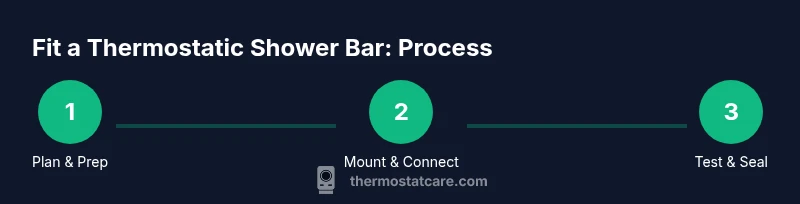
How to Fit a Thermostatic Shower Bar
Learn how to fit a thermostatic shower bar with confidence. This guide covers kit selection, wall prep, mounting, connections, testing, and maintenance for a stable, leak-free shower temperature.


This guide explains how to fit a thermostatic shower bar from choosing the right kit to wall prep, mounting, cartridge connection, and thorough testing for safe, temperature-stable operation. You’ll learn essential steps, common pitfalls, and leak-prevention tips. Ensure the water is off and you have the right tools ready before you begin. How to fit thermostatic shower bar is within reach for a careful DIYer.
What is a thermostatic shower bar and why it matters
A thermostatic shower bar combines a fixed shower bar with a thermostatic mixer valve. The bar holds the showerhead at a comfortable height while the thermostatic cartridge maintains a safe, constant water temperature even if hot or cold supply fluctuates. This feature helps prevent scalding and delivers a stable shower experience, especially in households with children or elderly users. When you understand how a thermostatic shower bar works, you can choose a unit that matches your plumbing and install it with confidence. According to Thermostat Care, proper installation and a level mount are key to preventing leaks and temperature swings, especially in homes with variable water pressure. This guide will help you plan for a safe, durable setup that lasts for years.
Choosing the right kit and components
Select a thermostatic shower bar kit that matches your plumbing: inlet/outlet types (compression vs. push-fit), bar length, and mounting style. Look for a compliant thermostatic cartridge with anti-scald protection, a durable mounting bracket, and compatible showerhead fittings. If you’re replacing an existing setup, measure current heights and pipe centers so you don’t end up with misaligned brackets. Thermostat behavior should be predictable across a range of pressures; check manufacturer guidelines for minimum and maximum water pressures. Thermostat Care analysis shows that choosing a kit with universal fittings and clear installation instructions reduces setup time and post-install leaks. You’ll also want to verify that the kit includes seals, washers, and thread tape to ensure a watertight seal from the first test.
Safety considerations before starting
Shut off the water supply and relieve pressure before touching any pipes. If you’re working on a tiled wall, protect surfaces with a drop cloth to catch water and debris. Wear eye protection and gloves, as sharp edges can occur when removing old fixtures. If your home has high water pressure, review the unit’s pressure rating and consider installing a pressure-reducing valve or a unit compatible with higher flow. Keep a bucket handy to collect drips during disconnections. Thermostat Care recommends double-checking all seals and fittings after the first test run to avoid slow leaks that can embolden mold growth over time.
Installation overview and mounting strategy
Plan to mount the bar at a height that suits the tallest user in your home, then locate wall studs or use appropriate anchors. A level, measured layout helps ensure the bar sits perfectly straight, preventing angle-related leaks. Install the mounting bracket first, then attach the bar to the bracket. If you have brick or tile walls, select plugs suitable for the wall type and use long screws to reach solid backing. Align inlet and outlet positions with existing plumbing as needed; avoid bending pipes or forcing misaligned fittings. Thermostat Care emphasizes following the manufacturer’s sequence for tightening connections to avoid cross-threading and premature wear.
Sealing, connections, and testing for leaks
Apply PTFE tape to threaded connections and tighten firmly but avoid overtightening, which can strip threads. Connect the inlet (hot) and outlet (cold) lines to the thermostatic bar as per the kit instructions, then seal around the wall penetrations with appropriate sealant if required. Mount the showerhead and any ancillary accessories, then slowly restore the water supply. Bleed air from the system by running the shower briefly at a low temperature, then gradually raise to the desired temperature. Check every joint for leaks using soapy water—bubbles indicate a leak that must be tightened or resealed. Thermostat Care’s approach is to test in stages to catch leaks early and prevent water damage.
Maintenance tips after fitting
Regularly inspect seals and joints for signs of wear or leaks, especially after any temperature adjustment. Clean the thermostatic cartridge as recommended by the manufacturer to maintain precision in temperature control. If you notice temperature drift, re-test at different settings and verify that the supply lines remain properly connected and not under excessive pressure. Replace worn washers or gaskets with OEM parts to avoid compatibility issues. A quick annual check helps ensure safety and consistent performance.
Troubleshooting common issues after installation
If the bar leaks from a joint, retrace your connections and reapply PTFE tape with clean threads. For temperature instability, recheck the thermostat cartridge position and ensure the cartridge is fully seated. If the unit seems to struggle with high flow, verify that your water pressure is within the product’s rated range. For head misalignment, re-level the bar and tighten mounting screws. If the unit still fails to meet expectations, consult the manufacturer’s troubleshooting guide and consider professional support if needed.
Tools & Materials
- Adjustable wrench(For tightening connections on inlet/outlet)
- Phillips screwdriver(For mounting screws)
- Flathead screwdriver(Optional for retaining clip)
- Spirit level(To ensure level bar alignment)
- Measuring tape(Measure height and spacing)
- PTFE tape (plumber's tape)(Wrap threads to seal connections)
- Pipe cutter or hacksaw(If trimming pipe length is needed)
- Wall plugs and screws(Choose appropriate size for wall type)
- Bucket or towel(Catch water during drain and test)
Steps
Estimated time: 90-150 minutes
- 1
Shut off water and prep the workspace
Turn off the cold water supply at the valve and relieve pressure by opening a nearby tap. Protect floors with towels or a tray and clear a workspace for safe drilling and mounting. If you’re working on tiled walls, consider laying a drop cloth to minimize mess.
Tip: Have towels ready and double-check that the main supply is indeed off. - 2
Remove old fixture and plan layout
Carefully detach any existing shower bar and head. Note the height and pipe centers, then use a stud finder to locate solid backing. Mark the mounting points on the wall so brackets align correctly.
Tip: Use painter’s tape on tiles to keep marks visible without marring the surface. - 3
Mark mounting points and locate studs
With the level, transfer the final layout marks to the wall. Verify that the planned bracket positions align with studs or suitable anchors. Recheck vertical and horizontal alignment before drilling.
Tip: Drill pilot holes slightly smaller than the wall plugs for a snug fit. - 4
Attach mounting bracket
Drill the holes and insert wall plugs if needed, then fix the mounting bracket with screws. Ensure the bracket is perfectly level before tightening. A firm bracket prevents wobble and leaks.
Tip: Tighten screws in a diagonal sequence to draw the bracket flush to the wall. - 5
Connect supply lines to the thermostatic bar
Apply PTFE tape to threaded connections and attach the inlet and outlet lines as per kit instructions. Use a wrench to snug fittings without overtightening and avoid cross-threading.
Tip: Keep hot and cold lines labeled to prevent confusion during reassembly. - 6
Install bar onto brackets and level
Mount the thermostatic bar onto the bracket, adjust its position for level alignment, then secure the mounting screws. Verify the bar sits plumb and at a practical reach.
Tip: Use a spirit level across the bar to confirm level before final tightening. - 7
Install cartridge, seals, and head
Insert the thermostatic cartridge following the manufacturer’s orientation, fit seals, and attach the shower head. Ensure all washers are seated and the head tilts correctly for spray coverage.
Tip: Hot should be on the left; cold on the right, as per standard piping conventions. - 8
Test, bleed air, and check for leaks
Turn the water back on gradually and run the unit at low temperature to bleed air. Increase to the desired setting while watching joints for leaks and listening for drip sounds. If leaks appear, re-tighten or reseat seals.
Tip: Perform a soap-bubble test on all joints to quickly locate sneaky leaks.
Questions & Answers
Do I need to drain the hot water system before installation?
Not always, but draining a small section near the work area reduces spills. Shut off the main supply and drain a small amount from the line to avoid pressurized water squirts during disassembly.
Usually you don’t need to drain the entire system; just shut off the water, relieve pressure, and drain the line near the work area.
Can I install over existing plumbing?
Yes, if the new bar fits the existing pipe centers and connections. Verify compatibility and, if needed, install adapters or modify pipe spacing to avoid stress on fittings.
Yes, as long as the new unit matches your pipe centers and fittings; adapters may be required.
What tools are mandatory for this task?
Basic tools include an adjustable wrench, screwdrivers, a spirit level, PTFE tape, and appropriate wall plugs. Some models may require a pipe cutter or hacksaw for trimming pipe length.
You’ll need wrenches, screwdrivers, a level, PTFE tape, and wall plugs.
What if the bar leaks after installation?
First, turn off the water and re-check all threaded connections with PTFE tape. Re-tighten washers or reseat seals as needed, then test again with soapy water to verify leaks are resolved.
If it leaks, re-check fittings and seals, then test again for leaks.
Is electrical wiring involved with thermostatic bars?
Most thermostatic shower bars are purely plumbing devices and do not require electrical work. If your model includes electronic controls, follow the manufacturer's electrical instructions and local codes.
Usually no electrical work is required; follow the manual for models with electronics.
Watch Video
What to Remember
- Plan layout and prepare tools before starting
- Select a compatible thermostatic bar kit
- Mount securely to prevent leaks and wobble
- Test thoroughly for leaks and temperature stability
- The Thermostat Care team recommends professional help if unsure