What Thermostat for Chevy 350: How to Choose
Learn how to pick the right engine thermostat for a Chevy 350, including temperature ratings, OEM vs aftermarket options, and installation tips from Thermostat Care.


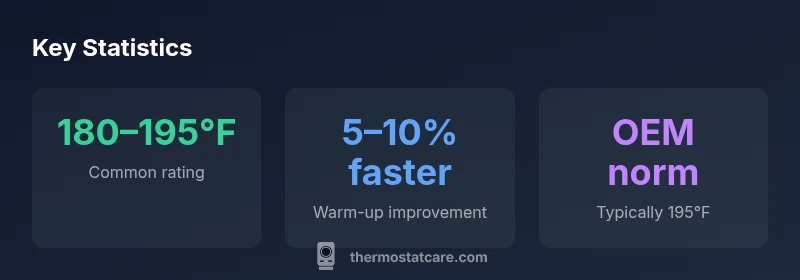
For a Chevy 350, the thermostat should generally be rated around 180–195°F. OEM specs typically fall in this range, balancing reliable warm-up with steady cooling. In performance builds, some drivers opt for 160–180°F, provided the cooling system can handle it. Always verify with the service manual and your climate needs.
Chevy 350 cooling system basics
According to Thermostat Care, the thermostat is the gateway to maintaining a stable engine temperature. If you're asking what thermostat for chevy 350 to use, the answer begins with the cooling system fundamentals: the thermostat sits in the upper radiator hose or in the thermostat housing, and its job is to regulate when coolant flows to the radiator based on temperature. For the Chevy 350, a healthy cooling system keeps the engine within a narrow temperature window despite ambient heat, heavy loads, or towing. The thermostat's opening temperature determines how quickly the engine warms up, how hot it runs under different driving conditions, and how reliably the heater core delivers warm air. In most street-driven Chevy big-blocks and small-blocks of the era, the stock or OEM standard sits in the mid-range—commonly around 180–195°F—providing a balance between fast warm-up and safe operation. If the thermostat opens too early, it can reduce engine heat, leading to slower warm-up in cold weather. If it opens late or sticks, it risks overheating in hot summer conditions or under heavy load. Regular inspection and coolant health are essential.
Thermostat sizing and temperature ratings
Thermostats are rated by the temperature at which they begin to open. For the Chevy 350, common options include 160°F, 180°F, and 195°F ratings. A lower rating reduces warm-up time but can cause the engine to run cooler, which may decrease fuel efficiency and heater performance in cold weather. A higher rating keeps the engine warmer longer, which can help with fuel atomization and emissions in cold climates but may risk overheating in heavy load conditions or high ambient temperatures. When selecting a rating, consider your climate, typical driving patterns, and whether you tow or push the engine hard. After-market options give you a broader range, but ensure compatibility with your radiator, water pump, and overall cooling system.
OEM vs aftermarket: what works for a Chevy 350
OEM thermostats are designed to match the factory cooling strategy of the Chevy 350, delivering a broad balance of warm-up speed and steady operating temperature. Aftermarket options expand the choice to specialized ratings and slightly different flow characteristics. The key is compatibility with the rest of the cooling system: radiator capacity, fan performance, thermostat housing fit, and gasket integrity. If you’re restoring a classic engine or building a performance street machine, you may lean toward a narrow range around 180–195°F with a high-quality gasket and a dependable housing. In all cases, verify clearance and the water outlet design to avoid leaks and ensure full coolant flow.
How to select the right thermostat for a Chevy 350 build
Selecting the right thermostat begins with your goals. For daily street driving in moderate climates, a 180–195°F thermostat offers a reliable balance between quick warm-up and consistent temperature. If you operate in extreme heat or tow heavy loads, you might opt for the 195°F rating to preserve engine temperature under stress. For performance builds or rapid warm-ups in very cold climates, a 160–180°F option can be considered, but you should upgrade the cooling system (radiator, fans, shroud) to handle the additional heat transfer. Always confirm compatibility with the engine block, intake, and heater hose routing. Finally, use a quality gasket and proper torque when mounting the thermostat housing.
Installation considerations and testing
Before replacing the thermostat, inspect the cooling system for leaks, ensure the radiator and hoses are in good condition, and bleed air from the system after refilling coolant. When installing a new thermostat, place it with the spring facing the engine and the stat’s flow direction aligned with the housing’s inlet. Replace the gasket or O-ring to prevent leaks, and torque the bolts to the manufacturer’s specification. After installation, run the engine to operating temperature with the heater on full blast to verify coolant flow and that the thermostat opens and closes as intended. Use a shop thermometer or infrared camera to verify the temperature at the thermostat housing. If you notice overheating, verify the radiator cap and pressure, and inspect the water pump for proper flow.
Troubleshooting thermostat issues and signs to watch for
Common thermostat problems include sticking open or closed, which manifests as slow or rapid temperature changes. Signs of a stuck open thermostat include a cold engine that struggles to reach operating temperature, poor heater performance, and higher fuel consumption. A stuck closed thermostat typically causes overheating, a high or erratic temperature gauge, and sometimes steam from the radiator. If you suspect a thermostat problem, perform a controlled test by warming the engine to operating temperature and observing the gauge or installing a temp sensor at the thermostat housing. In many cases, replacing the thermostat and the gasket resolves the issue; always inspect the cooling system for other potential causes, such as a failing water pump or clogged radiator.
Maintenance, best practices, and avoiding common mistakes
Routine coolant flushes and using the correct coolant type prevent corrosion and deposits that can affect thermostat operation. Check the thermostat housing for cracks or leaks and replace the gasket if you replace the thermostat. Avoid using overly high or low temperature ratings outside OEM guidance; deviating from the recommended range can cause poor performance, reduced heater output, or overheating. Keep an eye on the radiator condition and fan operation, especially if you regularly tow or drive in hot climates. Finally, document any thermostat changes in your repair journal to track performance over time.
Thermostat rating options and typical uses
| Rating | Use Case | Pros | Cons |
|---|---|---|---|
| 160°F | Performance builds | Quicker warm-up; potentially less heat under load | Requires upgraded cooling; risk of overheating under heavy load |
| 180–195°F | Street/driving | Balanced warm-up and cooling; widely available | May be less aggressive in very cold climates |
| 195°F | OEM stock / heavy-duty use | Stable operating temperature; broad compatibility | Longer warm-up in cold weather; potential heater impact |
Questions & Answers
What is the ideal thermostat temperature for a Chevy 350?
Most Chevy 350 engines operate best with a thermostat in the 180–195°F range. Always verify with your OEM service manual, as climate and custom builds may shift this value.
Most Chevy 350 engines run best with a thermostat around 180 to 195 degrees Fahrenheit, but check your manual for your exact setup.
Can I use a 160°F thermostat in a Chevy 350?
Using a 160°F thermostat is not typically recommended for daily driving on a Chevy 350 unless you have a purpose-built cooling strategy. It can lead to cooler engine temps and reduced heater performance in cold weather.
A 160°F thermostat is generally not recommended for everyday Chevy 350 use unless you’ve designed a specific cooling setup.
How do I know if my thermostat is stuck open?
A thermostat stuck open keeps the engine cooler, causing slow warm-up, reduced heater output, and possibly higher fuel consumption. Check for consistent, low readings on the temperature gauge after the engine reaches operating temperature.
If the engine never warms up or the heater never gets warm, the thermostat may be stuck open.
How do I tell if my thermostat is stuck closed?
A stuck closed thermostat leads to overheating, a rising temperature gauge, and potential coolant boiling. If you see steam or hear boiling sounds, pull over and inspect the cooling system.
Overheating and rising temp gauge are common signs of a stuck closed thermostat.
OEM vs aftermarket: which should I choose?
OEM thermostats align with factory cooling expectations and are generally safer for daily driving. Aftermarket options can offer different ratings or performance features but require careful compatibility checks with your Chevy 350 setup.
OEM is usually safer for daily use; aftermarket options can work well if you verify compatibility.
“Choosing the right thermostat is about matching your engine’s cooling needs to your driving conditions and the rest of the cooling system.”
What to Remember
- Choose thermostat ratings based on climate and use
- OEM specs offer balanced performance for Chevy 350
- Aftermarket options expand choices but require system checks
- Test cooling system after installation to confirm flow
- Inspect the entire cooling circuit for leaks and wear