How to Set a Thermostat on an Oil Heater
Learn to set your oil heater thermostat safely with a step-by-step method. This guide covers dialing in the right temperature, safety tips, and simple troubleshooting for DIY homeowners.


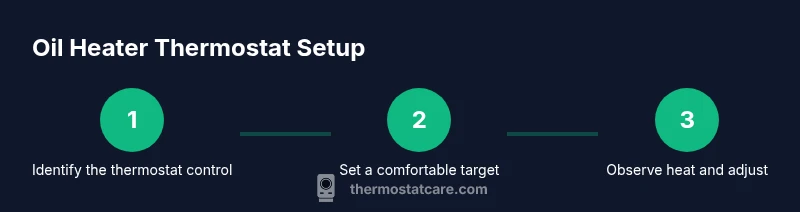
This guide shows you how to properly set the thermostat on an oil heater. You’ll learn to locate the control dial or digital panel, select a safe, comfortable temperature, and observe heat output. Before you start, ensure the heater is unplugged, the cord is intact, and the area around the unit is clear of flammables. Then proceed with caution.
Why Oil Heaters Use Thermostats and Safety Basics
According to Thermostat Care, oil-filled radiators rely on thermostats to regulate heat output and maintain comfortable ambient temperatures. The thermostat is the primary control that tells the heater when to produce more heat and when to stop. A well-set thermostat improves comfort, reduces energy waste, and helps prevent overheating. Before touching any controls, understand that the thermostat is a simple device that balances heat production with room temperature. Always read your model’s manual for layout specifics, as some models feature unique dial indicators or digital controls. If you’re unsure how your model reads the setting, start with a mid-range position and observe heat output for several minutes. If heat seems inconsistent or you notice smells, stop and unplug the unit.
Key Considerations Before Adjusting
Before you adjust the thermostat, confirm several practical points. First, ensure the heater is placed on a stable, nonflammable surface with at least three feet of clearance from walls, curtains, or furniture. Make sure the power cord and plug are intact, and that the outlet can safely supply the unit’s current. If your heater has a digital thermostat, verify the display is readable and that the battery or power supply is functioning. If you’re using an older dial model, understand the dial markings from 0 to maximum heat. Finally, decide your comfort target by room usage and occupancy; for a living room, the daytime setting will differ from a bedroom during sleep. These decisions guide your initial setting and further adjustments.
Quick Reference: Dial vs Digital Thermostats
Oil heaters come with two main control styles: dial/knob thermostats and digital panels. Dial thermostats are straightforward: rotate clockwise to increase heat and counterclockwise to decrease. Digital thermostats offer precise numbers or presets; use the up/down arrows or touch controls to set a target temperature. In either case, avoid extreme settings and rely on gradual adjustments. After changing the setting, allow a brief period for the heater to respond, typically several minutes, before evaluating warmth in the room. If your unit includes an automatic safety shutoff, know how to reset or temporarily bypass it only per the manual.
Troubleshooting Common Issues
Even with a proper setting, you might encounter issues. If the heater fails to warm the room after adjusting, check that the unit is receiving power and that any safety switches aren’t engaged. Inspect the thermostat control for smooth movement or readable indicators; a stuck dial or dead digital display can indicate a fault. If the heater cycles on and off rapidly or feels uneven, ensure the room isn’t excessively drafty or too large for the unit’s capacity. Finally, confirm there are no obstructions around the heater that would block airflow, and that the unit isn’t placed near heat-sensitive items or liquids. If problems persist, consult the manual or contact a professional.
Maintenance Tips to Improve Efficiency
To keep your oil heater operating efficiently, clean the exterior and vents regularly, remove dust from around the base, and verify the thermostat reads accurately. Periodically compare the thermostat setting with a room thermometer to ensure the air temperature tracks the dial or digital readout. Replace worn power cords, ensure proper clearance, and store the heater in appropriate conditions during off-seasons. Consider annual inspections, especially before the cold season, to verify wiring, safety features, and overall performance. These practices help maintain steady comfort and reduce energy waste.
Safety Warnings and Best Practices
Safety should be the top priority when adjusting an oil heater thermostat. Never leave a heater unattended in a child’s bedroom or near flammable materials; never run a heater with a damaged cord, plug, or casing. Use a properly rated outlet and avoid extension cords. Keep liquids away from the heater, and never cover the unit or block the vents. If you smell burning or notice unusual heat, unplug immediately and contact a professional. Always follow the manufacturer’s guidelines for your model and discontinue use if you observe persistent malfunctions.
How to Verify Comfort and Efficiency After Setting
After setting the thermostat, give the heater time to respond. Check the room’s comfort level after 5-10 minutes and adjust as needed in small increments. Use a room thermometer to confirm ambient temperature aligns with the target set on the thermostat. If you still feel cold in some areas, consider relocating objects that block airflow or adding a secondary heat source for larger spaces. Finally, log your settings and outcomes so you can reproduce a consistent schedule or schedule a maintenance check if you notice drift over time.
Tools & Materials
- Oil-filled radiator heater(Choose a model with an adjustable thermostat and accessible control panel.)
- Dedicated power outlet(Use a circuit that can handle the heater’s current draw; avoid shared outlets.)
- Stable, nonflammable surface(Place heater on a solid surface with at least 3 feet clearance.)
- Room thermometer(Helps verify ambient temperature vs. thermostat setting.)
- Owner’s manual or model reference(Helpful for model-specific controls and safety features.)
Steps
Estimated time: 15-25 minutes
- 1
Unplug and Inspect
Unplug the heater, inspect the power cord for any wear or damage, and wipe off dust from the exterior. Ensure the area around the heater is dry and clear of clutter before proceeding.
Tip: If you see any cord damage, do not use the heater and contact a professional. - 2
Place on a Safe Surface
Move the heater to a stable, nonflammable surface with at least three feet of clearance from walls, furniture, and curtains. Ensure the outlet is accessible and the unit cannot tip over.
Tip: Never place the heater on a loose rug or near flammable fabrics. - 3
Power On and Read the Controls
Plug in, switch the heater on, and identify whether you have a dial or digital thermostat. Familiarize yourself with the control layout and indicators.
Tip: If digital, check for a readable display and ensure batteries are fresh if required. - 4
Set Temperature Incrementally
For a dial, turn clockwise to increase heat in small steps; for digital, use the up-arrow or keypad to raise the target. Avoid large jumps in temperature.
Tip: Make small adjustments and wait a few minutes to evaluate heat response. - 5
Test Heat Output
Observe how quickly the room warms and verify the temperature with a room thermometer. If needed, adjust in small increments until comfortable.
Tip: If the room is drafty, consider improving airflow or adding a secondary heat source. - 6
Finalize and Safety Check
Once comfortable, leave the thermostat at a stable setting and monitor for changes in heat output. Unplug the unit when not in use or when leaving home for extended periods.
Tip: Always unplug during extended absences to prevent hazards.
Questions & Answers
Do oil heaters have thermostats?
Yes, most oil-filled radiators include a built-in thermostat, either a dial or digital control, to regulate heat by measuring ambient temperature and adjusting the heating elements accordingly.
Most oil heaters have a built-in thermostat you can adjust with a dial or digital panel.
Can I use an extension cord with an oil heater?
Not recommended. Oil heaters draw significant current, and extension cords may overheat or cause a fire. Plug directly into a proper outlet.
Avoid using extension cords; plug directly into a proper outlet.
What should I do if the heater won’t respond to thermostat changes?
First check power and safety switches, then confirm you’re adjusting the correct control. If there’s no response, the thermostat could be faulty and may require service.
If it won’t respond, check power and switches; if still no change, consider a thermostat fault.
Is it safe to leave the heater running overnight?
Only if the unit is rated for continuous operation and safety features are active. Use auto shutoff if available, and never leave the heater unattended around children or pets.
Only with a model designed for overnight use and with precautions.
How do I know if my thermostat is faulty?
Look for inconsistent heat, readings that don’t match the room temperature, or frequent cycling. If issues persist after resetting per the manual, seek professional evaluation.
Look for a mismatch between setting and room temperature or erratic heating.
How do I reset the thermostat on my oil heater?
Unplug the heater for a minute, then plug back in and re-test. If your model has a reset option, follow the manual’s instructions.
Unplug, wait a moment, then replug and test; use reset if available.
Watch Video
What to Remember
- Set up safely with clear space around the heater
- Choose a comfortable, moderate setting and adjust gradually
- Verify heat output using room temperature checks
- Maintain the heater and review safety features regularly