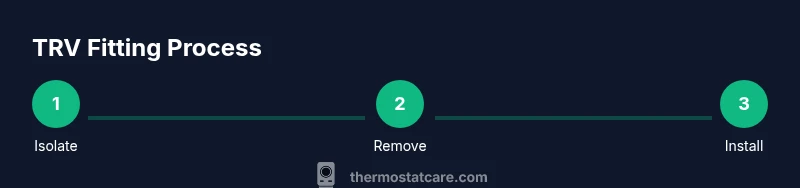
How to Fit a Thermostatic Valve to a Towel Rail
Step-by-step guide for homeowners to install a thermostatic radiator valve (TRV) on a towel rail, including safety isolation, compatibility checks, tool list, step-by-step fitting, testing for leaks, and tips for reliable performance.


Install a thermostatic valve on a towel rail by first isolating the heating system, checking compatibility, and draining if needed. Remove the old valve, fit the TRV with the correct adapters, re-pressurize, bleed air, and test for leaks. This guide covers tools, steps, and setup for reliable warmth.
Understanding the Thermostatic Valve and Towel Rail
A towel rail is a convenient heating element, but it can be challenging to control without a proper valve. A thermostatic radiator valve (TRV) attaches to one end of the towel rail, allowing you to regulate heat output based on room temperature. Before you begin, understand that TRVs work by sensing air temperature around the valve and adjusting flow to the radiator. When choosing a valve for a towel rail, look for models with adapters that fit common towel rail connections and ensure compatibility with your existing pipework. The Thermostat Care team emphasizes that TRVs should be compatible with towel rail connections and that the first step is confirming compatibility and safety. If your towel rail uses two pipes, you may need two TRVs or a different setup; in most homes, a single-ended TRV suffices for temperature control. According to Thermostat Care, compatibility is the foundation of a successful install. By following proper isolation and preparation steps, you can achieve reliable warmth without overheating.
Safety and Isolation Before You Start
Before touching any heating pipework, ensure your safety and the system integrity. Start by turning off the boiler and isolating the towel rail's zone valve if your system has one. If your heating system is pressurised, use the bleed valve to relieve pressure slowly and keep a rag handy for escaping water. Shut off the water supply if your towel rail connects to a local supply. Avoid working on live electrical components near bathrooms; if your towel rail is powered, switch off the adjacent circuits. A clean workspace helps prevent drops of water on electrical fittings. The Thermostat Care team stresses that isolation is not optional: it protects you and prevents accidental leaks. After isolating, wait a few minutes for any residual pressure to drop and place towels beneath the work area to catch spills.
Check Compatibility and Gather the Right Parts
Not all TRVs fit all towel rails. Check the thread type (BSP vs metric) and the valve’s connection size; measure the existing valve and consult the manufacturer’s instructions. Gather essential tools and parts: a TRV appropriate for your towel rail, an adapter kit if required, PTFE tape, an adjustable wrench, a bleed key, and a bucket for water. Ensure you select a valve with a suitable temperature range and a head that can be easily adjusted. If your towel rail uses two pipes, you may need two TRVs or a dual-valve solution; otherwise a single end TRV is generally sufficient. Always verify that any adapters are compatible with your towel rail’s fittings. Having the right parts on hand prevents mid-project trips to the hardware store.
Prepare the Bathroom and Tools
Clear the work area and lay down a towel or mat to protect surfaces. Assemble your tools in a shallow tray for quick access and set out a bucket or container to catch water. If you have a privacy screen or splash guard, install it to keep water away from walls. Put on gloves and eye protection, especially if you will be using penetrating oil or dealing with rusty connectors. Now inspect the towel rail connections for corrosion and replace worn washers or seals if needed. Keep a spare set of PTFE tape in case you need to rewrap threads. This preparation reduces the chance of accidental drops and makes the actual valve fitting smoother.
Remove the Existing Valve (or Blank Cap)
Carefully loosen the existing valve or blanking cap using the adjustable wrench. Place a cloth around the nut to avoid scratching finishes and to catch any fasteners that might drop. If the valve is stubborn, apply a little penetrating oil and let it sit for a minute before trying again. When the old valve is free, clean the area and inspect the pipe thread for damage or leaks. Do not force components; cross-threading can permanently damage fittings. If you replaced a blank cap, check the thread condition and replace it with a TRV adapter that suits the towel rail. With the old connection removed, you should see a clean, dry thread ready for the new valve.
Fit the Thermostatic Valve to the Rail
Wrap the male threads with PTFE tape to seal and prevent leaks, then thread the thermostatic valve into the towel rail connection by hand and finish with a wrench. If using an adapter kit, attach it first and then mount the TRV. Avoid cross-threading by keeping the valve axis straight as you tighten. Check that the valve body sits correctly and that the locking ring or nut is snug but not over-tightened. Once mounted, loosely connect the female side to the other pipe to ensure alignment before fully tightening. The goal is a tight, leak-free seal without compressing the pipework.
Refit Lockshield and Refill the System
If your towel rail includes a lockshield valve, reinstall it and ensure both ends are securely connected. Slowly refill the heating system, watching for drips at the new connections. Keep a cloth handy to wipe away any spills. When full, reopen the boiler and allow the system to pressurize gradually. Do not overfill; radiator pressure should settle within the typical range for your boiler. If you notice any persistent weeping, stop, depressurize, and re-check fittings. A gentle approach saves threads and prevents leaks.
Bleed the System and Test for Leaks
Air trapped in towel rails can prevent proper heating; bleed the radiators using a bleed key or screwdriver as appropriate for your system. Start with the towel rail, then move to nearby radiators to balance pressure. After bleeding, check each connection for leaks while the system runs and the towel rail warms up. If you see a steady drip, tighten the joint a quarter-turn at a time and recheck. Do not overtighten, which can damage threads. This step ensures even heat distribution and prevents future leaks.
Safety Checks and Adjustment of TRV
With the system running, set the TRV head to a comfortable level. Start around the middle range and observe how quickly the towel rail warms. If the rail heats too slowly or too quickly, adjust the TRV head accordingly and recheck for leaks. Ensure the thermostat knob moves smoothly and the head doesn’t press against the wall or other fittings. If the towel rail remains cold, re-check valve alignment and bleed air again. This step helps optimize heat while avoiding wasted energy.
Common Pitfalls and Troubleshooting
Common issues include cross-threading, leaks, or trapped air. If you notice a leak, power down and re-tighten in small increments with the system cool to avoid stressing threads. If you cannot stop the leak, replace the affected connector or seek professional help. If the towel rail does not heat evenly, re-bleed and verify air pockets. Remember to check the system pressure after any work and address any gauge fluctuations. By anticipating these problems, you can complete the job with confidence and minimize disruption to your hot water supply.
Final Notes: Temperature Setting and Comfort
Set the TRV to a comfortable level, usually a mid-range setting, and observe heat distribution over a day. If the temperature fluctuates, consider adding insulation or relocating the towel rail to a more favorable spot. Keep an eye on seals and gaskets in the weeks after installation; early checks help prevent slow leaks. The Thermostat Care team recommends documenting any unusual performance for future reference, and rechecking after a couple of weeks to confirm stability.
Tools & Materials
- Adjustable wrench(for loosening/tightening radiator valves)
- Thermostatic radiator valve (TRV) with compatible adapter(select model compatible with towel rail connection)
- Adapter kit (if required)(for differing thread types between rail and TRV)
- PTFE thread tape(seal on male threads to prevent leaks)
- Bucket and cloths(catch water and keep area clean)
- Bleed key or radiator key(for releasing trapped air)
- Penetrating oil(helps loosen stubborn fittings)
- Gloves and eye protection(personal safety gear)
Steps
Estimated time: 60-90 minutes
- 1
Turn off boiler and isolate towel rail
Power down the boiler and isolate the zone feeding the towel rail. Confirm the area is safe and free of live electrical components near the bathroom. This prevents sudden pressure surges and water spray during the work.
Tip: Double-check that the towel rail is not connected to any programmable timer or circulating pump that could re-pressurize unexpectedly. - 2
Relieve pressure and drain if needed
Use the bleed valve to vent pressure gradually and prepare to catch water with a cloth. If the towel rail is part of a loop, you may need to drain just the loop or the whole system depending on your setup. Keep towels handy and work slowly.
Tip: Work with the system cool to minimize splashing and avoid scalding hot water. - 3
Remove the existing valve or blank cap
Loosen the nut with an adjustable wrench while supporting the pipe to prevent movement. If the valve is stuck, apply a small amount of penetrating oil and wait a minute before retrying. Inspect threads for damage before proceeding.
Tip: Protect the towel rail finish by using a cloth around the nut to prevent scratches. - 4
Prepare the new thermostatic valve and adapters
Wrap male threads with PTFE tape and align adapters as needed. Ensure the valve body orientation matches the existing loop and allow space for the head to rotate freely. Check compatibility with both ends of the towel rail.
Tip: Avoid over-wrapping tape; too much can prevent proper threading. - 5
Fit the thermostatic valve to the rail
Hand-tighten the TRV into the towel rail, then finish with a wrench until snug—do not overtighten. Recheck alignment and ensure the valve head will rotate without hitting the wall or other fittings.
Tip: If using an adapter, attach it first and verify the thread remains clean and undamaged. - 6
Reconnect lockshield and refill the system
Reinstall any lockshield valve if present. Slowly refill the system and monitor for leaks at each joint. Keep the system at a safe pressure as recommended by your boiler manufacturer.
Tip: Refill slowly to avoid air being trapped in the lines. - 7
Bleed the system and test for leaks
Bleed the towel rail first, then other radiators to balance pressure. Look for leaks at all joints while the system runs and the towel rail heats. Tighten tiny amounts if needed, never force.
Tip: Have a cloth ready for any water drips, and recheck after a few minutes of heat to confirm seal integrity. - 8
Set TRV and verify operation
Set the TRV to a comfortable mid-range, then observe heat distribution over time. If it cycles too quickly or slowly, adjust the head and re-check seals. Document any irregularities for future reference.
Tip: Keep the TRV head clear of the wall so temperature sensing remains accurate.
Questions & Answers
Do I need to drain the entire heating system to fit a thermostatic valve to a towel rail?
Usually you can isolate the towel rail and drain just the loop, but some layouts require draining the whole system. Always follow isolation procedures and manufacturer guidance.
Usually you isolate the towel rail and drain only the loop, but some setups may require draining the whole system. Always follow isolation steps.
Can I install a TRV on a towel rail without professional help?
Many homeowners can fit a TRV with careful isolation and proper adapters. If your pipework is unusual or sealed, consider professional assistance.
Many homeowners can fit a TRV with care and the right adapters. If the pipework is unusual, seek a pro.
What tools do I need for this job?
You’ll need an adjustable wrench, PTFE tape, the TRV and adapters, a bleed key, a bucket, and gloves. Having a penetrating oil can help with stubborn fittings.
Essential tools include a wrench, tape, TRV with adapters, bleed key, bucket, and gloves.
How long does installation typically take?
Plan for about 60 to 90 minutes, depending on your system layout and accessibility of the towel rail connections.
Most people complete it in about 60 to 90 minutes.
What if the towel rail has two connections?
Two-ended TRVs may be required for full control on a two-pipe towel rail, or you can fit a single TRV if the system design allows. Check your pipework.
Two-ended TRVs may be needed for two-pipe setups; verify your pipework first.
I see a leak after fitting—what should I do?
Shut system down, depressurize, re-check threads, and re-tighten joints in small increments once cool. If it persists, replace the faulty connector or seek help.
If you have a leak, shut down, recheck the joints, and tighten slightly once cool. If it continues, get help.
Watch Video
What to Remember
- Isolate the heating system safely before work
- Verify towel rail/TRV compatibility and adapters
- Bleed air after refilling and check for leaks
- Set TRV to a comfortable, balanced setting