How to Clean Thermostatic Shower Valve: A DIY Guide
Learn a safe, step-by-step method to clean a thermostatic shower valve, improve temperature stability, and prevent leaks. Includes tools, tips, and maintenance to keep your shower valve performing like new.


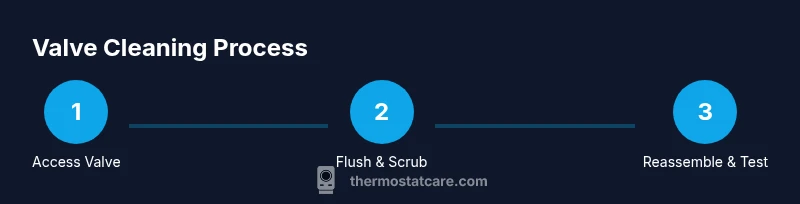
To clean a thermostatic shower valve, shut off the water, remove the trim and handle, and inspect the cartridge for mineral buildup. Soak the cartridge in a mild vinegar solution, rinse thoroughly, and reseal with fresh O-rings before reassembling. This routine reduces temperature drift and leaks, and prolongs valve life. Thermostat Care recommends safety and patience during disassembly.
Why cleaning a thermostatic shower valve matters
A thermostatic shower valve is designed to regulate water temperature to prevent scalding and maintain comfort. Over time, mineral buildup, sediment, and worn seals can cause temperature drift, reduced flow, or leaks. Regular cleaning restores smooth operation, improves accuracy, and extends the life of internal components. According to Thermostat Care, taking a careful, methodical approach reduces the risk of damage and costly repairs. Regular maintenance also supports consistent performance when you’re juggling kids’ baths, long showers, or bath-time routines.
This section explains why keeping the valve clean matters for safety, comfort, and efficiency, and how the cleaning process fits into a broader maintenance routine for your bathroom fixtures.
How thermostatic showers work
Thermostatic valves blend hot and cold water to maintain a preset temperature. A sensing element detects the outlet temperature and adjusts a shuttle or cartridge to balance flow. When mineral deposits accumulate on the cartridge or on seals, the valve can respond slowly or inaccurately, causing temperature fluctuations or leaks. Understanding this helps you target the right components during cleaning and avoids unnecessary disassembly.
Key components to know include the trim plate, handle, cartridge, O-rings, and the temperature dial. Most modern valves require careful removal of the trim and access to the cartridge for cleaning or replacement. Proper reassembly is critical to preserve safety features and correct water balance.
Signs of buildup and when to act
Look for subtle indicators that cleaning is overdue: fluctuating water temperature, delayed response when turning the handle, reduced flow, or a slight drip after closing. If you notice mineral deposits on the cartridge or inside the valve body, it’s time to clean. Early action prevents larger-scale build-up that can impair performance or require cartridge replacement. Also watch for degraded O-rings or damaged seals, which can cause leaks even after cleaning.
In many homes, mineral-rich water accelerates fouling, especially in areas with hard water. Regular inspection after seasonal changes or after long periods without use can help you catch issues before they become noticeable problems.
Safety and prep before you start
Safety first: shut off the water supply at the main line or dedicated valve for the bathroom, and drain any residual water from the line. Wear eye protection and gloves to guard against sharp edges and cleaners. Clear the workspace and protect the tub/shower with towels to catch drips. If your valve is behind a tiled wall, be mindful of potential moisture and avoid hammering or prying forces that could crack tiles. Thermostat Care emphasizes following the manufacturer’s guidelines for disassembly to prevent warranty issues or dangerous missteps.
Cleaning methods overview
There are several approaches, depending on the severity of buildup and the cartridge type. A mild vinegar solution is effective for mineral deposits, while commercial descalers may help in stubborn cases. Avoid abrasive cleaners and acidic agents that can corrode brass or chrome finishes. For many valves, a simple flush-and-rinse with warm water followed by gentle brushing of the cartridge and O-rings is sufficient. If the cartridge shows visible wear, consider replacement rather than forceful cleaning.
Maintenance habits to extend valve life
After cleaning, reassemble carefully and replace worn seals or O-rings. Regular inspections every 6-12 months can prevent unexpected leaks. Consider installing a water conditioner if your area has hard water to reduce mineral scale. Document the model and parts you use so you can source replacements quickly in the future. By adopting a small routine, you keep temperatures stable and avoid costly repairs.
Tools & Materials
- Screwdriver set (Phillips and flathead)(Choose sizes that fit trim plate screws (often #1 or #2 Phillips))
- Allen wrench/hex key(May be needed to loosen set screws on some vales)
- Adjustable wrench(Used to loosen cartridge nuts if present)
- Pliers (needle-nose optional)(For stubborn parts or small clips)
- Towel or drop cloth(Protect surfaces and catch drips)
- Mild dish soap(For gentle cleaning of chrome and plastic parts)
- White vinegar(Dilute 1:1 with water for mineral buildup soaking)
- Spray bottle(For applying cleaning solution)
- Old toothbrush or small brush(Scrubs cartridge area and grooves)
- Rags or microfiber cloths(Dry, wipe, and polish after cleaning)
- Replacement O-rings and seals(Optional; replace if worn or damaged)
- Cartridge lubricant or plumber's silicone grease(Lubricate O-rings lightly if needed)
- Gloves and eye protection(Safety gear to protect skin and eyes)
- Bucket or basin(Catch soaking liquid and rinse water)
Steps
Estimated time: 60-90 minutes
- 1
Turn off water and prep
Shut off the cold and hot water supplies to the bathroom and then the house main if needed. Open a hot water tap elsewhere to relieve pressure. Lay towels and protect the surrounding area. This prevents scalding and minimizes mess during disassembly.
Tip: Double-check you have access to the main shutoff and know where to turn it back on after cleaning. - 2
Remove trim plate and handle
Use the screwdriver to remove screws on the handle and trim plate. Gently pull the trim to expose the cartridge and any retaining clip. Keep small screws in a labeled container to avoid losing them.
Tip: Take a photo before removal to reference during reassembly. - 3
Inspect cartridge and seals
Look for mineral buildup around the cartridge and inspect O-rings for cracks or wear. If the cartridge is held by a nut, loosen it with the adjustable wrench. Do not force parts; if something binds, reassess rather than pry.
Tip: If you see cracked O-rings, replace them rather than continuing to clean. - 4
Flush and clean
Rinse the cartridge with warm water and scrub grooves with a toothbrush. Apply a mild vinegar solution to mineral deposits and let soak for 10-20 minutes for light buildup. Rinse again until all residue is removed.
Tip: Never soak brass parts in harsh cleaners; keep cleaning solutions mild. - 5
Soak and reassemble
If buildup remains, soak the cartridge in a 1:1 vinegar solution for 15-30 minutes, then rinse thoroughly. Lubricate O-rings lightly if recommended by the manufacturer, then reassemble the cartridge and holding components in reverse order.
Tip: Keep track of any spacer rings or miniature clips so you don’t miss them during reassembly. - 6
Test operation
Turn on water supplies slowly and test the valve for leaks. Check temperature stability and ensure the handle moves smoothly from cold to hot. If you notice leaks or drift, inspect O-rings again or consider cartridge replacement.
Tip: Run several cycles to verify stable performance before replacing trim plate. - 7
Finish and document
Wipe all surfaces dry and reinstall the trim plate and handle. Take a quick note of parts replaced and the date for future maintenance. Restore the room’s finish with a final polish.
Tip: Keep a simple maintenance log for future reference.
Questions & Answers
What is a thermostatic shower valve and why clean it?
A thermostatic shower valve automatically mixes hot and cold water to maintain a set temperature. Cleaning helps remove mineral buildup that can cause temperature drift or leaks, improving safety and reliability. Regular maintenance reduces the need for cartridge replacement.
A thermostatic valve keeps temperature steady. Cleaning it removes mineral buildup to prevent drift and leaks.
Can I clean the cartridge without removing the valve from the wall?
In some models you can flush the cartridge by accessing it through the trim plate, but most require partial disassembly to access the cartridge. Follow the manufacturer’s instructions and hardware safety guidelines.
Some valves let you flush via the trim, but many need partial disassembly.
What if the cartridge is damaged after cleaning?
If you see cracks, tears, or stiff movement, replace the cartridge rather than attempting further cleaning. Damaged parts can cause leaks or unsafe temperatures.
If the cartridge is damaged, replace it rather than risking leaks.
How often should I clean a thermostatic shower valve?
Hard water areas may require more frequent cleaning, roughly every 6-12 months, depending on buildup and use. Regular inspections help you decide when to clean.
Most homes should inspect annually; hard water areas may need more frequent cleaning.
Are there safety precautions I should follow?
Always shut off water, wear eye protection, and be gentle with trim and cartridge components. Do not force parts or bypass safety features. If unsure, consult a plumber.
Shut off water, wear protective gear, and don’t force parts. When in doubt, call a pro.
Watch Video
What to Remember
- Shut off water before starting to prevent accidents.
- Inspect cartridge and O-rings for wear and replace as needed.
- Soak mineral buildup in a mild vinegar solution, then rinse thoroughly.
- Reassemble carefully and test for leaks and temperature stability.
- Document maintenance for easier future service.