Removing a Thermostatic Radiator Valve: A Practical Guide
Learn how to safely remove a thermostatic radiator valve (TRV), when it's appropriate, the tools you need, a clear step-by-step process, tips to avoid leaks, and aftercare advice from Thermostat Care.


You can remove a thermostatic radiator valve (TRV) if you follow safety steps and isolate the radiator first. Turn off the boiler, let the radiator cool, and gather a wrench, cloth, and a collection tray. Unscrew the TRV head, close the lockshield valve, and cap the pipe to prevent leaks.
Can You Remove a Thermostatic Radiator Valve? Key Safety Considerations
If you're wondering can you remove thermostatic radiator valve, the answer depends on safety steps and the current state of your heating system. At Thermostat Care, we emphasize that TRV removal is a common DIY task when you’re replacing or upgrading a radiator valve, but it must be done with the system safely isolated and cooled. Before you touch any radiator components, understand that exposed copper and brass joints can leak, and hot water can scald. Planning, not haste, reduces the risk of damage to your boiler or radiator and helps prevent subsequent airlocks in the system. This guide sticks to practical, safety-first advice for homeowners and careful DIYers.
When Removing a TRV Is Appropriate
There are several legitimate reasons to remove a thermostatic radiator valve: replacing a worn or leaking valve, upgrading to a new TRV model for better temperature control, or switching to a manual valve where a TRV is not needed. In many homes, TRVs are part of a single heating circuit, so removing one valve may necessitate balancing the rest of the radiators. If you’re unsure, start with a simple head removal before committing to full TRV body replacement. Thermostat Care recommends consulting your boiler manual and local regulations if you’re uncertain about any step.
Safety First: Isolate, Cool, and Plan
Before any physical work, ensure the entire heating system is off and cooled. Shut off the boiler or pump at the control panel and wait at least 30 minutes if the radiator has been hot. Place a thick cloth or old towel around the TRV to catch any residual drips and set a tray nearby for larger leaks. Wearing gloves helps with grip and reduces the risk of minor burns. Clear the area around the radiator so you can work with both hands—one to hold the valve and one to operate tools. If you smell gas, see a strong leak, or the valve is corroded, stop and call a professional.
Tools and Materials You’ll Need (Overview)
A concise list of essentials reduces the chance of mid-project interruptions. You’ll likely use an adjustable wrench, a TRV removal key or suitable spanner, an absorbent cloth, a small collection tray, and a blanking plug or spare caps in case you cap the open valve. Optional but helpful items include a screwdriver for valve screws, protective gloves, and a flashlight. Always verify compatibility with your specific TRV model because some valves use unique retaining screws or shapes.
Step-by-Step Overview (High-Level)
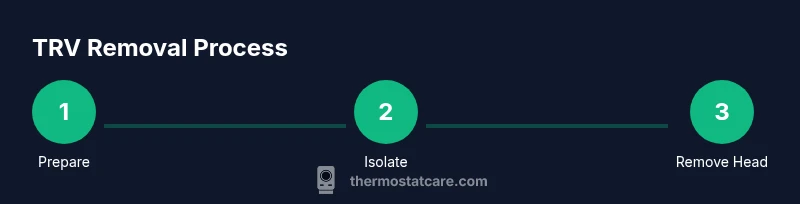
This section provides a concise map of the removal process, which is expanded in the dedicated STEP-BY-STEP block below. Start by isolating and cooling, then remove the TRV head, loosen and extract the valve body if needed, and cap the line to prevent leaks. After removal, inspect for corrosion or damage, and determine whether you’ll replace with a new TRV or a blanking plate. The exact actions depend on your radiator type and whether you’ll re-pressurize the system.
What Happens After Removal? Leaks, Drains, and Aftercare
After removing the TRV, you may see a small drip as the pipe ends settle. If you’re not immediately replacing the valve, fit a blanking cap or a compatible end plug to prevent debris or air from entering the line. If the system was drained for this operation, you’ll need to repressurize and bleed radiators to remove air. Check all joints for leaks after re-pressurizing and run the heating to verify even heat distribution. Thermostat Care emphasizes testing slowly and monitoring for any unusual noises or temperature imbalances that indicate air or pressure irregularities.
Troubleshooting and Common Scenarios
Not all TRVs come off the same way: some heads unscrew with a simple counterclockwise turn, while others require a retaining screw first. If the body won’t budge, do not force it—two opposing wrenches with stable support may be required, but only if you’re confident. If you notice corrosion, a stuck valve, or persistent leaks after removal, contact a licensed heating engineer. For DIYers, documenting the model number and taking photos helps with future replacement or warranty claims.
Replacement Options and Next Steps
After removal, you can install a new TRV, replace it with a manual valve, or cap the radiator line with a blanking plate if you are not planning an immediate replacement. When upgrading, choose a compatible TRV model that matches the radiator type and boiler system. Thermostat Care cautions that improper replacement or mismatched components can lead to poor heating performance or leaks. If you decide to re-install a TRV later, consider balancing the system to maintain even heat across all radiators and prevent cold spots.
Common Mistakes and How Thermostat Care Recommends Avoiding Them
Rushing the process, not isolating the system, or failing to cap the open line can lead to leaks and airlocks. Skipping a final test after replacement may hide issues that surface only after heat is restored. Always ensure the radiator is cool, the system is depressurized, and all connections are clean and dry before reassembly. Following these steps reduces the risk of costly mistakes and makes future maintenance easier.
Tools & Materials
- Adjustable wrench(For loosening the valve body and lockshield connections)
- TRV removal key or appropriate spanner(Specifically designed for TRV heads on certain models)
- Cloth or absorbent rag(Catches drips and helps wipe joints clean)
- Small collection tray or bowl(Contains any leaking water or drips during remove)
- Blanking plug or end cap (optional)(Seals the open valve if not immediately replacing)
- Screwdriver (flat-head or Phillips, depending on valve)(Used for screws on some TRV heads)
- Protective gloves(Improves grip and protects hands)
Steps
Estimated time: 60-90 minutes
- 1
Power down and plan
Shut off the boiler and allow the system to cool. Gather your tools and lay cloths around the radiator to catch drips. Plan your path of action and identify the valve you’ll remove.
Tip: Having a clear workspace reduces mistakes and keeps components clean. - 2
Isolate the radiator
Close the lockshield valve (the valve opposite the TRV head) if accessible, or simply ensure the TRV is relaxed. This helps reduce water flow and limits leaks when the head is removed.
Tip: If you’re unsure how to isolate, consult the radiator’s manual or a professional. - 3
Remove the TRV head
Use the TRV removal key or appropriate spanner to unscrew the head from the valve body in a counterclockwise direction. Keep the head steady and wipe threads clean as you loosen.
Tip: Place the TRV head on a cloth so you don’t lose small parts. - 4
Inspect and prepare the body
Check for any corrosion or damage on the TRV body. If you’re replacing with a new TRV, prepare the new unit per the manufacturer’s instructions. If not replacing yet, consider installing a blanking plug.
Tip: Take photos of the valve setup for future reference. - 5
Detach the valve body (if needed)
If removing the body from the radiator valve, hold the valve body with one wrench and turn the nut with another, keeping pressure off the radiator stem. Stop if you feel significant resistance.
Tip: Do not force; forcing can damage the radiator or boiler connections. - 6
Cap or blank the line
If you’re not immediately installing a new TRV, fit a blanking plug or end cap to prevent leaks and debris from entering the pipe.
Tip: Ensure the cap sits snugly to prevent air ingress. - 7
Leak check and repressurization (if needed)
If you drained the radiator, repressurize the system according to your boiler’s instructions and bleed radiators to remove trapped air. Check all joints for leaks after re-pressurizing.
Tip: Bleed slowly to avoid air locks; listen for gurgling sounds that indicate air in the system. - 8
Test and plan next steps
Turn the heating back on and observe the radiator for leaks or temperature irregularities. Decide whether to reinstall a TRV, switch to a manual valve, or cap permanently until a future upgrade.
Tip: Document model numbers and keep replacement parts handy for future maintenance.
Questions & Answers
Can I remove a TRV without draining the heating system?
Typically you can remove the TRV head without draining the whole system, but if you disconnect the body or if a radiator is hot or leaking, draining or isolating that radiator may be necessary. Always follow safety guidelines and consult your boiler manual if unsure.
You can usually remove the TRV head without draining the whole system, but draining or isolating the radiator might be needed if leaks appear.
Do I need special tools to remove a TRV?
Most TRVs require an adjustable wrench or a TRV removal key, plus a cloth and tray to catch drips. Some models have retaining screws that need a screwdriver. Check your TRV model instructions for specifics.
Usually an adjustable wrench or TRV key plus a cloth and tray suffice; some models need a screwdriver for a retaining screw.
What should I do with the pipe after removal if I’m not replacing it right away?
Cap the open valve with a blanking plug or end cap to prevent leaks and debris entry. This keeps the system clean until you install a replacement. If unsure, seek professional help.
Cap the open valve with a blanking plug to prevent leaks until you replace the TRV.
What are signs of trouble after TRV removal?
Watch for leaks at joints, persistent dripping, hissing noises, or sudden temperature imbalances across radiators. If any occur, switch off the system and contact a heating professional.
Look for leaks, hissing, or uneven heating; if you see any, stop and call a professional.
Can I reinstall the same TRV later?
Yes, you can reinstall the same TRV if it’s in good condition and you follow the manufacturer’s installation steps. Ensure threads are clean and lubricated if recommended.
You can reinstall later if the TRV is in good shape and you follow the factory steps.
Watch Video
What to Remember
- Shut down heat and cool before touching TRVs.
- Have the right tools to avoid damaging valves.
- Cap the line if you’re not replacing the valve immediately.
- Test for leaks and bleed air after reassembly.
- Consult a professional for complex or uncertain workloads.