Where to Buy a Thermostat: A Practical 2026 Guide
A comprehensive 2026 guide on thermostat buying, covering reputable sources, what to look for, price ranges, warranty, and how Thermostat Care evaluates sellers to help homeowners avoid counterfeit or incompatible devices.


Where to buy a thermostat typically includes certified retailers, major home improvement stores, and reputable online marketplaces. To avoid issues, verify compatibility with your system, confirm warranty terms, and compare prices across sources. The Thermostat Care team recommends sticking to trusted sellers to ensure genuine products and reliable support online.
Understanding the thermostat market in 2026
The thermostat landscape has evolved with smart features, energy-saving modes, and compatibility standards that vary by region. When considering where to buy a thermostat, homeowners should assess not only price but also support, firmware updates, and warranty. The Thermostat Care team emphasizes choosing retailers with clear product information and accessible customer service. In-person shopping can help you verify packaging and compatibility markings, while online marketplaces may offer broader model selection and user reviews. Always check seller ratings and return policies before purchasing to avoid issues down the line.
Primary sources to buy from
Reliable sources include manufacturer-authorized stores, major home improvement chains, and reputable online retailers. Each channel has trade-offs: brick-and-mortar stores provide hands-on demos and same-day pickup, while online platforms often feature wider inventories and customer reviews. For those with complex HVAC setups, consider retailers offering installation services or post-purchase support. Thermostat Care suggests focusing on sellers that provide clear compatibility notes, documented warranties, and straightforward return windows.
How to assess retailer credibility
Assessing a retailer's credibility is essential to avoid counterfeit or outdated devices. Check for official branding, model numbers, and warranty terms. Read user reviews with a critical eye—look for consistent mentions of authentic product packaging and prompt support. Verify that the seller is authorized by the thermostat brand and offers genuine replacements. When in doubt, contact the brand's support line to confirm product legitimacy before completing a purchase.
Quick-buy checklist: what to verify before purchase
Before clicking 'buy', confirm model compatibility with your HVAC system and ensure a compatible wiring setup (C-wire compatibility is common for smart thermostats). Confirm the return policy length and whether the price includes necessary accessories like mounting plates or power adapters. Check firmware update availability and the seller's policy on firmware upgrades post-purchase. A written receipt with the model number and warranty details is essential for future service.
Price and warranty considerations
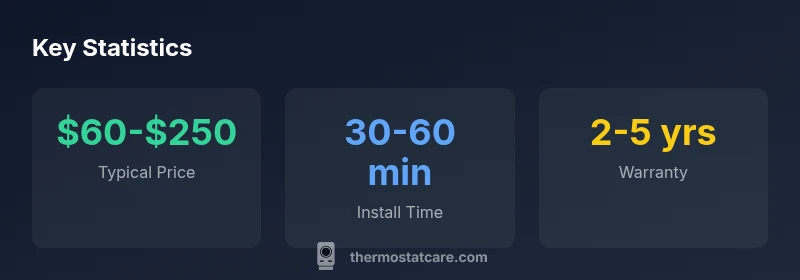
Prices for thermostats vary with features such as Wi-Fi, geofencing, voice control, and energy reporting. Compare prices across retailers, factoring in shipping costs and any bundled accessories. Warranty length is a strong indicator of product confidence; longer warranties can translate to better long-term support. Thermostat Care recommends documenting warranty terms and saving receipts in a known location.
DIY vs professional installation considerations
DIY installation works for many models, but some smart thermostats require professional setup to ensure proper wiring, energy efficiency, and compatibility with your HVAC system. If your home's wiring is unfamiliar or if your system uses unconventional terminals, seek professional installation. Many retailers also offer installation services or partner with local HVAC pros, which can simplify warranty claims and system zoning.
How Thermostat Care evaluates sources
Thermostat Care evaluates sources based on seller reputation, model authenticity, and post-purchase support. We prioritize retailers with clear product specs, transparent return policies, and accessible customer service. Our goal is to help homeowners avoid counterfeit devices and ensure compatibility with existing HVAC systems, ultimately delivering a smoother buying experience.
Common buying scenarios
If you want a basic, reliable thermostat, authorized retailers are often the fastest route to a straightforward purchase. For tech enthusiasts seeking advanced features, online marketplaces may offer broader options and user reviews. Always confirm compatibility with your system and consider professional installation if wiring or zoning is complex. This balanced approach helps ensure a successful thermostat purchase.
Comparison of common thermostat types
| Model Type | Typical Features | Ideal For |
|---|---|---|
| Smart Thermostat (Wi-Fi) | Remote control, energy reports, app integration | Tech-savvy homes seeking energy savings |
| Programmable Thermostat (Non-Smart) | Schedule-based control, easy manual adjustments | Users preferring straightforward automation |
| Non-Programmable Thermostat (Mechanical) | Manual temperature control | Basic setups, budget-conscious buyers |
Questions & Answers
Where can I buy a thermostat safely?
Safe purchasing starts with manufacturer-authorized retailers, well-known home improvement stores, and reputable online marketplaces. Always verify return policies and warranty terms before purchasing.
Safe thermostat buying starts with authorized retailers and checking return policies.
What should I check when buying online?
Look for product authenticity indicators, clear model numbers, and legitimate seller badges. Read reviews focusing on packaging and warranty service. Confirm compatibility and whether accessories are included.
Check authenticity, model numbers, and compatibility when buying online.
Are refurbished thermostats a good idea?
Refurbished units can offer savings but carry higher risk of hidden defects. Buy only from reputable refurbishers with clear warranty terms and return options.
Refurbished models may save money but come with higher risk; choose trusted refurbishers.
Do I need a C-wire to install a thermostat?
Many smart thermostats require a C-wire for constant power. If your system lacks a C-wire, consider adapters or professional installation to avoid power issues.
A C-wire is often needed for smart thermostats; check your system.
What is the best place to buy for DIY beginners?
For beginners, start with authorized retailers or big-box stores that offer setup guides, customer support, and straightforward return policies.
Authorized retailers or big-box stores are best for DIY beginners.
“Choosing a thermostat from a reputable retailer reduces the risk of counterfeit devices and ensures access to support and firmware updates.”
What to Remember
- Verify compatibility with your HVAC system before buying
- Shop at trusted retailers to avoid counterfeit products
- Compare prices and warranty terms across channels
- Consider installation services for complex setups
- Keep receipts and model numbers for warranty claims