Who Sells Thermostats: A Practical Guide for Homeowners
Explore who sells thermostats—from manufacturers and online marketplaces to big-box retailers and contractor networks. Learn how to compare channels, pricing ranges, installation support, and rebates to pick the right thermostat for your home.


Who sells thermostats? You can buy them from manufacturers directly, major online retailers, home improvement stores, HVAC distributors, and contractor networks. Utilities and energy programs often provide rebates and installer partners; independent hardware stores carry common models; some smart thermostats are sold through app-enabled marketplaces. Always verify compatibility with your HVAC system and installation support before purchasing.
Who sells thermostats
When you ask who sells thermostats, you’re looking at a broad ecosystem. Sellers range from manufacturers that offer direct sales, to online marketplaces with a wide assortment, to brick-and-mortar home-improvement giants and independent hardware stores. HVAC distributors and installer networks frequently supply models through professional channels. Utilities and energy programs sometimes partner with retailers to offer rebates or bundled installation services. For homeowners, the key differences between channels are price transparency, installation support, return policies, and warranty coverage. According to Thermostat Care, the most reliable shopping experiences come from channels that clearly document compatibility with your HVAC system and provide robust installation guidance. For DIY shoppers, online marketplaces often provide the broadest selection, while in-store purchases can simplify returns and immediate assistance. For professional installs, contractor channels tend to offer better warranty alignment and support.
Online marketplaces vs brick-and-mortar
Online marketplaces typically offer the widest selection and competitive pricing due to multiple sellers competing for visibility. They are convenient for quick comparisons, user reviews, and bundled accessories. In contrast, brick-and-mortar retailers provide tactile inspection, immediate returns, and in-person consultation with staff. The trade-off is limited stock on-site and sometimes higher prices. Thermostat Care analysis shows online channels excel in breadth, while local stores shine in hands-on help and faster exchange processes. When choosing a seller, weigh this against your comfort with online shopping and your need for installation support or same-day pickup. Utilities and authorized installer networks, meanwhile, can facilitate integrated installation and rebates.
How to evaluate a seller
Beyond price, assess a seller’s ability to support you after purchase. Look for clear product compatibility notes, straightforward return policies, and documented warranty terms. If you’re buying smart thermostats, confirm the device supports your HVAC equipment and home network. Check for installer recommendations, installation guides, and customer service responsiveness. A reputable seller will provide model-specific guidance, not generic statements. Always review return windows and whether the seller offers installation or connects you with qualified technicians. These factors protect your investment and ensure you don’t encounter compatibility surprises after unboxing.
Types of thermostats and selling channels
Not all thermostats are created equal in terms of compatibility and installation needs. Simple non-programmable models are widely sold by many channels, but programmable and smart thermostats often require more careful pairing with your HVAC system. When shopping, consider channels that clearly indicate compatibility with your system type (gas, electric, heat pump) and offer app or voice assistant integration. If you have distinctive zoning or multi-stage systems, working with an installer through a contractor channel can reduce the chance of misconfiguration and warranty issues. Always cross-check model numbers and thermostat compatibility matrices published by the seller.
Practical buying steps
Here is a practical, repeatable process to buy a thermostat from any channel: 1) confirm your HVAC compatibility (system type, wiring, and power), 2) decide between manual, programmable, or smart features, 3) compare at least three reputable sellers, 4) verify installation support and return policy, 5) check for rebates or energy programs tied to the purchase, and 6) read reviews focusing on after-sales service. Documentation and customer support quality should weigh heavily in your decision, not just price. By following these steps, you’ll minimize post-purchase hassles and improve your odds of a smooth installation.
Rebates, warranties, and contractor channels
Some thermostat purchases qualify for utility rebates or installer-supported programs. If you’re pursuing rebates, ensure the seller can provide the necessary documentation or confirmation from the program. Warranty terms vary by channel; manufacturer-direct purchases may come with standard manufacturer warranties, while contractors can align warranties with installation work. In many cases, selecting a contractor channel is advantageous for warranty protection and post-installation support. Keep receipts, model numbers, and installation documentation organized for future service needs.
DIY installation considerations
For DIY installation, ensure you have the right tools and a basic understanding of wiring. Start by turning off power to the HVAC system, label wires, and verify compatibility with your thermostat model. Follow the manufacturer’s installation instructions precisely, and test heat and cool functions before sealing the wall plate. If you encounter wiring challenges (e.g., C-wire availability), consult professional guidance or a licensed installer. Remember, incorrect wiring can affect system performance and warranty coverage, so prioritize safety and accuracy.
Common pitfalls when shopping for thermostats
Common pitfalls include buying a model that isn’t compatible with your HVAC system, selecting a device with limited app support, and overlooking installation help or warranty terms. Another pitfall is assuming all sellers offer equal post-purchase support. Also beware misleading listings that show popular features without confirming compatibility. To avoid these issues, verify model specs, read the fine print on warranties, and prefer sellers who provide explicit compatibility information and installation guidance. Thermostat Care recommends prioritizing sellers with transparent specs and robust support.
Seller channels comparison for thermostats
| Seller Type | Key Pros | Key Cons | Typical Price Range |
|---|---|---|---|
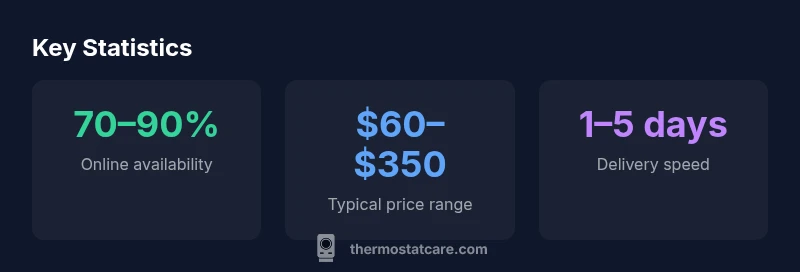
| Online marketplaces | Huge selection; competitive pricing; easy comparisons | Inconsistent support; higher return complexity | $60–$350 |
| Big-box home improvement stores | Immediate pickup; in-person help | Limited on-site model variety | $100–$300 |
| Manufacturer direct | Best warranty; clear specs | Often higher price; limited stock | $70–$320 |
| HVAC contractor/installers | Professional installation; warranty alignment | Higher overall cost | $0–$400 (installation included) |
Questions & Answers
Who are the main sellers of thermostats?
Main sellers include manufacturers direct, online marketplaces, large home-improvement retailers, independent hardware stores, and installer networks. Shopping across channels helps balance price, selection, and installation support, especially for smart models.
Thermostats come from manufacturers, online marketplaces, big-box stores, and installers. Compare channels for compatibility and support.
Are smart thermostats widely available in stores?
Yes, smart thermostats are widely available across major online retailers and home-improvement chains. Availability can vary by region and retailer, so check stock and in-store staff knowledge before buying.
Smart thermostats are common in stores and online—verify stock and compatibility before buying.
What should I check when buying from online marketplaces?
Check model compatibility, seller ratings, return policy, and warranty terms. Read user reviews for real-world installation experiences and confirm that the listing shows the exact model you need.
Look at compatibility, seller ratings, returns, and warranties when buying online.
Can I buy directly from manufacturers?
Yes, manufacturers often sell direct and provide official product specs and warranty terms. Direct purchase can simplify returns but may have fewer model options than marketplaces.
Manufacturer direct can offer clear specs and warranties but may have fewer models.
What about returns and warranties?
Return policies and warranties vary by channel. Review the policy window, restocking fees, and whether a warranty transfers with the model if you switch sellers.
Check return windows and warranty transfer rules before buying.
Is professional installation necessary?
Not always, but for complex systems or high-value smart thermostats, professional installation reduces risk and ensures warranty coverage. If you DIY, follow the model’s official instructions closely.
DIY is possible for simple setups, but professional installation can save trouble later.
“The Thermostat Care Team emphasizes choosing sellers that provide clear compatibility guidance and reliable installation support, not just the lowest price.”
What to Remember
- Define compatibility needs before shopping.
- Compare channels for price, support, and returns.
- Choose sellers with installation guidance.
- Check rebates and contractor options.