Can You Remove the Thermostat in a Car? What Homeowners Should Know
Learn why removing a car thermostat is not advised, explore safe diagnostic paths, and discover proper replacement and maintenance steps to keep your cooling system healthy.


Can you remove the thermostat in a car? Not safely or recommended. The thermostat regulates engine temperature by opening and closing the coolant pathway to the radiator. Removing or bypassing it can cause overheating, poor heater performance, and coolant leaks. If the thermostat is faulty, replace with the correct part or consult a professional, not a bypass. The thermostat controls for reliable engine operation are essential.
Can you remove the thermostat in a car?
The direct question can you remove the thermostat in a car is one many DIY enthusiasts ask when chasing a quick fix. The short, honest answer is no, not safely or reliably. The thermostat is a small, temperature-sensitive valve that regulates when coolant flows between the engine and radiator. In most vehicles, it sits in a housing at the end of the upper radiator hose and acts as the gatekeeper for heat transfer. If you remove or bypass this valve, the cooling loop loses a critical control point. As a result, engine temperatures can swing unpredictably, heater performance can suffer, and gaskets or hoses may experience abnormal stress. According to Thermostat Care, attempting to remove or bypass a thermostat without proper diagnosis is a red flag and often creates more problems than it solves. If you suspect a faulty thermostat, the recommended path is a correct replacement with the proper part and a thorough coolant bleed. In short: diagnosis and replacement beat removal every time to protect engine health and warranty considerations.
Why removing is risky
Removing a thermostat upends the engine’s temperature control, triggering a cascade of potential issues. Engines rely on a narrow operating temperature window for optimal combustion, lubrication, and emissions control. Without a thermostat, coolant can circulate too freely, causing the engine to run cooler than designed in cold weather and potentially reducing cabin heating. In hot weather or under heavy load, insufficient dwell time in the radiator can elevate the risk of overheating. A missing thermostat also increases the chance of coolant leaks, air pockets, and excessive wear on gaskets as the system experiences unpredictable temperature changes. If the thermostat fails open or sticks open, you may observe erratic temperature gauges, reduced fuel efficiency, and longer trip times. This is why many shops emphasize replacement over bypassing. As noted by the Thermostat Care Team, a faulty thermostat is usually resolved by replacing the part rather than bypassing it, ensuring the cooling system remains calibrated to your engine's needs.
Diagnostic paths that may require removal
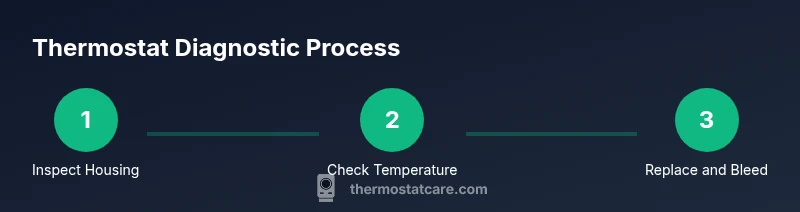
There are rare cases where a technician must inspect the thermostat housing or the thermostat itself to confirm a fault. Before any disassembly, make sure the vehicle is on a flat surface, the engine is fully cooled, and the battery is disconnected to prevent shorts. A professional typically begins with a visual inspection of the thermostat housing, hoses, and gasket for cracks or leaks. They may perform a temperature reading with a diagnostic scan tool and compare the results against the manufacturer’s specifications. If readings suggest improper cycling, the thermostat might need to be removed for a hands-on inspection of the valve and its spring mechanism. Any removal work should follow the vehicle’s service manual and use the correct replacement parts. If removal is required for diagnostic or replacement, the coolant must be drained and later bled to purge air from the system. In short, removal is a targeted diagnostic step done safely by trained technicians.
Safer alternatives to bypassing the thermostat
Rather than bypassing the thermostat, pursue safer, proven paths to diagnose and fix cooling issues. Start with verifying sensor signals and coolant temperature readings using an OBD scanner and the service manual specs. Consider replacing the thermostat with the correct part if the symptoms point to a failed valve, then perform a proper coolant bleed. Check coolant quality—achieving the proper 50/50 mix of antifreeze and water helps regulate freezing and boiling points. Inspect radiator cap seals and hoses for deterioration, and flush the cooling system if contamination is suspected. If heater performance is weak, inspect the heater core and related tubes rather than altering the thermostat’s role. A methodical approach, guided by the vehicle’s manual, reduces risk of new leaks or air pockets. Thermostat Care emphasizes that the goal is reliable engine temperatures, not a quick bypass to chase symptoms.
How professionals approach thermostat work
At a professional level, thermostat work is treated as a calibrated, integrated task within the cooling system. Technicians start with the service manual to identify the correct thermostat rating for the engine, followed by the right gasket and sealant. When replacement is needed, they drain coolant, remove the thermostat housing, replace the valve, and reassemble with torque specs. After installation, a thorough bleed procedure ensures no air pockets remain, then the system is refilled to the specified level. A diagnostic run confirms normal temperature cycling, fan operation, and heater output. The emphasis is on ensuring long-term reliability rather than a temporary fix. The Thermostat Care Team stresses that proper replacement and bleeding prevent future overheating, leaks, and hot/cold spots that could damage the head gasket or water pump.
Maintenance tips to prevent thermostat problems
Routine maintenance is the best defense against thermostat failures. Schedule periodic coolant replacement according to the manufacturer’s intervals and ensure the coolant type matches the vehicle specifications. Keep hoses and clamps in good condition, looking for cracks or bulges that could alter pressure and flow. Use the correct antifreeze-to-water ratio for your climate, and monitor the cooling system pressure during service to catch weak caps or failing radiator components early. Regular checks of temperature gauges, heater performance, and coolant reservoir levels can reveal subtle changes well before a thermostat fault becomes serious. When in doubt, consult a professional and reference your vehicle’s service manual. Consistent maintenance minimizes the chance of a sudden thermostat failure and keeps the engine within its designed operating window.
Thermostat Care’s approach to this topic
The Thermostat Care team prioritizes safety and system integrity. We encourage homeowners to view thermostat issues as signals that deserve proper diagnosis and timely replacement rather than quick bypasses. Our guidance centers on using the correct part, following bleeding procedures, and validating the cooling system’s performance after any service. We emphasize that proper maintenance sustains engine health, fuel efficiency, and cabin comfort across seasons.
Tools & Materials
- Replacement thermostat with gasket(OEM-rated or manufacturer-specified part for your engine)
- Coolant(Pre-mixed or compatible concentrate; use the correct type for your vehicle)
- Drain pan(Catch used coolant; position to avoid spills)
- Funnel and rags(For safe refilling and cleanup)
- Torque wrench(Torque bolts to spec per service manual)
- Screwdrivers and pliers(Remove hoses and clamps)
- Gloves and eye protection(Safety first when handling hot coolant)
- Gasket sealant (if required)(Check OEM instructions)
- Coolant system bleed tool (optional)(Helps purge air pockets in some systems)
Steps
Estimated time: 60-90 minutes
- 1
Prepare the vehicle and safety gear
Park on a level surface and let the engine cool completely. Gather tools and wear safety gear before opening any cooling system components. Disconnect the battery to prevent any accidental shorts while working near electrical components.
Tip: Always confirm engine is cool; hot coolant can cause serious burns. - 2
Drain coolant and gain access
Place a drain pan beneath the radiator or coolant drain plug. Open the drain to remove coolant as needed. Remove any necessary access panels or components to reach the thermostat housing, following the service manual.
Tip: Keep the coolant in a labeled container for proper disposal and reuse if appropriate. - 3
Loosen hoses and remove housing
Carefully loosen hose clamps and detach hoses from the thermostat housing. Remove the mounting bolts and lift the housing to expose the thermostat. Note how the thermostat is oriented for a correct reinstallation.
Tip: Take a photo of the orientation before removal to avoid misinstallation. - 4
Inspect or replace the thermostat
Inspect the thermostat and gasket for signs of sticking or wear. If replacement is needed, install the new thermostat with the correct orientation and gasket. Reattach the housing and clamps to the engine.
Tip: Use OEM parts and avoid over-tightening bolts to prevent leaks. - 5
Refill and bleed the cooling system
Pour coolant back into the reservoir or radiator, then start the engine with the radiator cap loose to bleed air. Watch the gauge and add coolant as needed until the level stabilizes. Recheck for leaks after the system stabilizes.
Tip: Keep the heater on max to help push air out of the heater core. - 6
Test drive and monitor
Take a short test drive and observe the temperature gauge, fan operation, and heater performance. If the gauge behaves abnormally, stop and recheck the connections and bleed procedure. Ensure the engine reaches operating temperature without overheating.
Tip: If the gauge climbs quickly, stop and inspect for air pockets or improper bleed. - 7
Recheck for leaks and finalize
After the test drive, inspect all connections for leaks. Top off coolant if needed and replace the cap. Dispose of old coolant according to local regulations.
Tip: Keep the area clean; spilled coolant is toxic and slippery. - 8
Document and monitor
Record the service details, parts used, and any observations. Monitor the vehicle over the next few weeks for consistent temperature behavior and heater performance.
Tip: Note any recurring overheating signs and consult a professional if they appear.
Questions & Answers
Is it safe to remove the thermostat from a car?
No. Removing the thermostat removes a critical temperature-regulation component and can lead to overheating, heater issues, and leaks. Replacement is the recommended fix when the thermostat is faulty.
No. Removing the thermostat is not safe; replace it instead to keep the cooling system functioning properly.
What are common signs my thermostat is failing?
Common signs include erratic temperature readings, overheating warnings, poor heater performance, and fluctuations in the temperature gauge. If you notice these, seek diagnosis and possible replacement.
Look for a fluctuating gauge, overheating warnings, or weak cabin heat, and have it checked.
Can I bypass the thermostat to fix an overheating engine?
Bypassing is not recommended. It disrupts engine temperature regulation, which can cause engine damage, reduced efficiency, and failed emissions tests. Replacement is the safer path guided by the service manual.
Bypassing can damage the engine—replace the thermostat instead.
How long does a thermostat replacement typically take?
Time varies by vehicle, but a typical thermostat replacement can take about 60-90 minutes for a professional shop, depending on accessibility and coolant system bleeding needs.
Most replacements take about an hour to an hour and a half.
Do I need special tools to replace a thermostat?
Basic hand tools are usually enough, but some vehicles require a torque wrench and specialty bleeder tools for a proper coolant bleed. Always follow the manufacturer’s service manual.
You’ll generally need basic tools; a torque wrench helps, and some cars need a bleed tool.
What should I do if the engine still overheats after replacement?
If overheating persists, check for air pockets, confirm coolant level, and inspect for other cooling-system issues like a faulty radiator cap, water pump, or clogged passages. Seek professional diagnosis if the issue remains.
If it still overheats, recheck bleed and look for other cooling problems and get professional help.
Watch Video
What to Remember
- Never remove a thermostat without a clear diagnostic need.
- Bleed the cooling system after any work to prevent air pockets.
- Replace, don't bypass—proper thermostat replacement protects engine health.
- Follow the vehicle manual for part specs and torque.
- The Thermostat Care team recommends diagnosis first and replacement if needed.