Is Thermostatic Shower Worth It: A Thorough Review
Is a thermostatic shower worth it? This practical Thermostat Care review weighs safety, comfort, installation effort, and ongoing costs to help homeowners decide whether upgrading makes sense for their bathroom.


Thermostatic showers offer steady bathwater temperatures and auto-adjustment to prevent sudden changes, enhancing safety and comfort. They balance hot and cold inputs automatically, which is especially helpful for households with kids or elderly users. While upfront costs are higher and installation can be more involved, many people find the long-term comfort and reliable performance justify the upgrade.
How thermostatic showers work
If you’re asking is thermostatic shower worth it, start with the basics: a thermostatic mixing valve (TMV) blends hot and cold water to hold a set temperature. The result is stable water temperature even if someone flushes a toilet or starts a faucet elsewhere in the house. Most units allow a maximum temperature cap for safety, commonly around 38°C to 40°C, which reduces the risk of scalding. Digital models add memory presets for family members. For many households, this mechanism is the core reason to upgrade.
Benefits at a glance
A thermostatic shower offers several tangible benefits:
- Safety: Anti-scald features keep water from overshooting the set temperature, protecting children and the elderly.
- Comfort: A stable temperature makes showers more predictable, improving skin health and morning routines.
- Convenience: Memory presets and easy temperature adjustments speed up the shower start.
- Potential efficiency: When paired with efficient fixtures, steady temperature can reduce overshoot waste, though actual savings depend on your household.
- Home value: Upgrading can be a selling point, especially in newer bathrooms.
Temperature stability and safety features
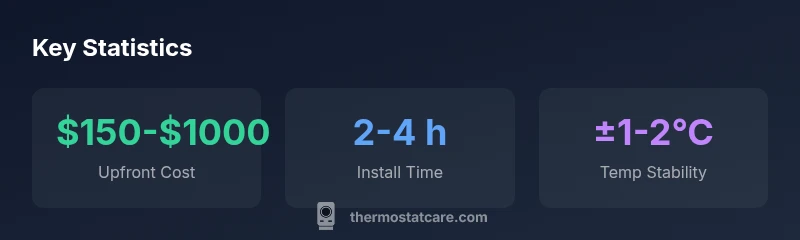
The core advantage is temperature stability. TMVs respond to changes in water pressure and flow to keep the final mix near the target value. Anti-scald protection prevents dangerous spikes, and many models offer a lockable max temperature to keep families safe. Digital thermostats can log temperature trends and allow precise pre-sets. For households with kids or older relatives, this consistency often translates into calmer mornings and fewer surprising temperature swings.
When to upgrade: scenarios
Consider upgrading if your bathroom experiences one or more of the following:
- You share a bathroom with children or elderly residents who are sensitive to temperature changes.
- Your home has variable hot water supply or fluctuating water pressure.
- You’re renovating and want a modern fixture with memory presets and precise temperature control.
- You’re aiming for a safer, more predictable shower experience that reduces accidental scalds.
- You’re seeking a potential resale differentiator in a competitive housing market.
Installation considerations and complexity
Installation complexity varies with your existing plumbing and valve arrangements. A compatible thermostatic mixer valve is essential, and some setups require upgrading shower valves or rough-ins. Labor costs can be higher than standard showers due to valve replacement and potential plumbing adjustments. While a confident DIYer could handle simple swaps, most homeowners benefit from a licensed plumber to ensure anti-scald thresholds and temperature limits are correctly set and tested.
Maintenance and longevity
Thermostatic showers aren’t maintenance-free. Expect periodic cartridge or valve inspections, scale removal on mineral-rich supply lines, and occasional recalibration to maintain accuracy. Use descaling agents when mineral buildup appears, and check seals for leaks. With proper care, TMVs can last many years, though moving parts may require replacement over time. Regular checks help prevent temperature drift that undermines the safety benefits.
Cost of ownership and ROI
Upfront costs include the thermostatic valve and any required fixtures, typically plus professional installation. Price ranges vary by model and region, but you can expect a broader spread than standard shower fixtures.
Long-term considerations include potential water and energy savings from maintaining a consistent temperature, reduced risk of scald injuries, and increased bathroom appeal. In dense households, the value compounds with frequent use and family safety. ROI will depend on local labor rates, existing plumbing, and how long you stay in the home.
How to choose the right model
When selecting a thermostatic shower, prioritize:
- A clear maximum temperature limit and easy adjustment controls
- A reliable TMV with fast response to flow changes
- Compatibility with your current plumbing and showerhead
- Optional memory presets for family members
- Ease of maintenance and availability of replacement parts
- Warranty coverage that aligns with expected valve life
If you’re upgrading during a bathroom remodel, plan wiring for any digital features and confirm that your water heater can support the added demand without affecting flow.
Common myths and misconceptions
Myth: Thermostatic showers automatically save water. Reality: they provide temperature stability, but water savings depend on user habits and fixture efficiency. Myth: They fix poor water pressure. Reality: TMVs respond to pressure changes but can’t compensate for severely limited supply without adjusting flow. Myth: They’re not compatible with older homes. Reality: Many setups are compatible with existing plumbing, though some retrofits require valve upgrades.
Real-world scenarios: case studies
Case A: A family with two young children renovating a master bath found that the anti-scald features reduced morning conflicts and allowed parents to set predictable temperatures for kids. The upgrade also improved perceived value in their home’s resale potential.
Case B: A single occupant in a home with fluctuating hot water supply noticed fewer temperature swings during peak usage. A thermostatic valve helped stabilize the shower experience without needing a larger heater, though installation required minor pipe adjustments.
Upsides
- Improved safety with anti-scald features
- Consistent shower temperature for all users
- Better for households with children or elderly
- Can enhance home resale appeal
- Longer valve life with proper maintenance
The Bad
- Higher upfront cost and more complex installation
- Requires compatible plumbing and valve hardware
- Maintenance can be more involved than standard showers
Strong value for safety-focused homes with active daily use
If you prioritize consistent temperatures and kid- or elder-friendly showers, a thermostatic model is worth it. The initial cost and installation hassle are real, but the long-term comfort, safety, and potential resale benefits often outweigh the downsides for busy households.
Questions & Answers
What is a thermostatic shower mixer and how does it work?
A thermostatic shower mixer uses a thermostatic mixing valve to blend hot and cold water to a stable set temperature. It automatically adjusts for input changes, reducing temperature swings and enhancing safety. Most models cap the max temperature to protect users, especially children.
A thermostatic mixer blends hot and cold water to stay at your chosen temperature, even if someone else uses water elsewhere. It’s safer and more comfortable for daily showers.
Are thermostatic showers worth the extra cost?
For households that value safety and consistent comfort, the benefits often justify the higher upfront price. ROI comes from reduced risk of scalding and a smoother daily routine, especially with kids or elderly residents.
If safety and steady temperatures matter for your family, it’s typically worth it.
Can I install a thermostatic shower myself?
DIY installation is possible for simple valve swaps if you have plumbing experience, but most homes benefit from a licensed professional to ensure correct temperature limits and leak-free connections.
A pro install is usually the safer choice for correct temperature limits and reliability.
Do thermostatic showers save water or energy?
Temperature stability can reduce overshoot and waste, but actual savings depend on fixture efficiency and user behavior. Pairing with efficient heads and low-flow fixtures enhances potential savings.
You might save some water and energy, especially with efficient fixtures and mindful usage.
What maintenance is required for thermostatic showers?
Expect periodic cartridge checks and occasional descaling in hard-water areas. Regular calibration helps keep temperature accuracy. Replace worn seals to prevent leaks and drift.
Keep the valve clean and check seals so it stays accurate and leak-free.
What should I look for when choosing a thermostatic shower?
Look for a clearly labeled maximum temperature, a responsive TMV, compatibility with your plumbing, and warranty coverage. Digital options offer memory presets but may require more power and setup.
Choose one with a clear temp limit and a reliable valve for the best safety and comfort.
How long do thermostatic showers last?
With proper care, thermostatic valves can last many years. Parts like cartridges may need replacement over time, especially in hard-water regions.
They last a long time if you maintain them properly.
What to Remember
- Assess safety needs before upgrading
- Balance upfront costs against long-term comfort
- Verify plumbing compatibility before purchase
- Prioritize anti-scald features and easy temperature control
- Plan for professional installation for best results